Terracotta Pots for Plants: Pros, Cons, and Care Tips
 AbodePro Tools
Many gardeners notice that terracotta pots are often more expensive than plastic alternatives and require careful handling during transport. A slight bump can easily crack the clay. Despite this fragility, these classic containers remain a favorite choice for indoor and outdoor gardening, as their unique benefits far outweigh their drawbacks.
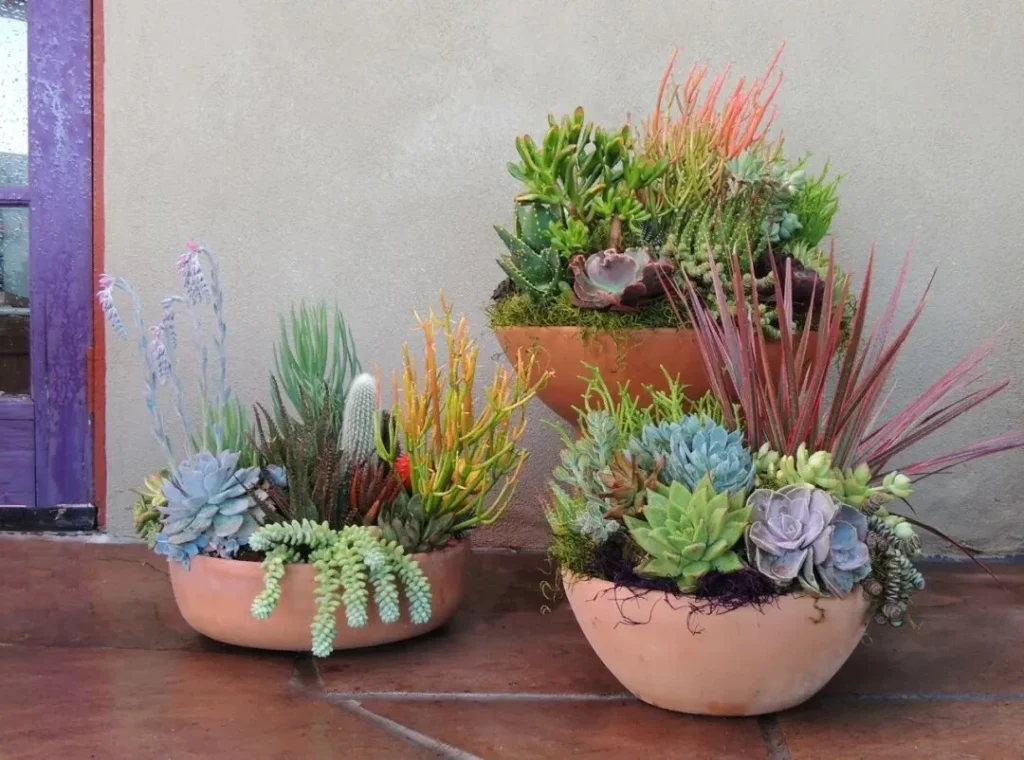
The market offers a wide variety of plant containers, including plastic, ceramic, clay, and concrete. The clay category encompasses Tuscan terracotta pots, glazed clay, rough clay, and traditional terracotta pots.
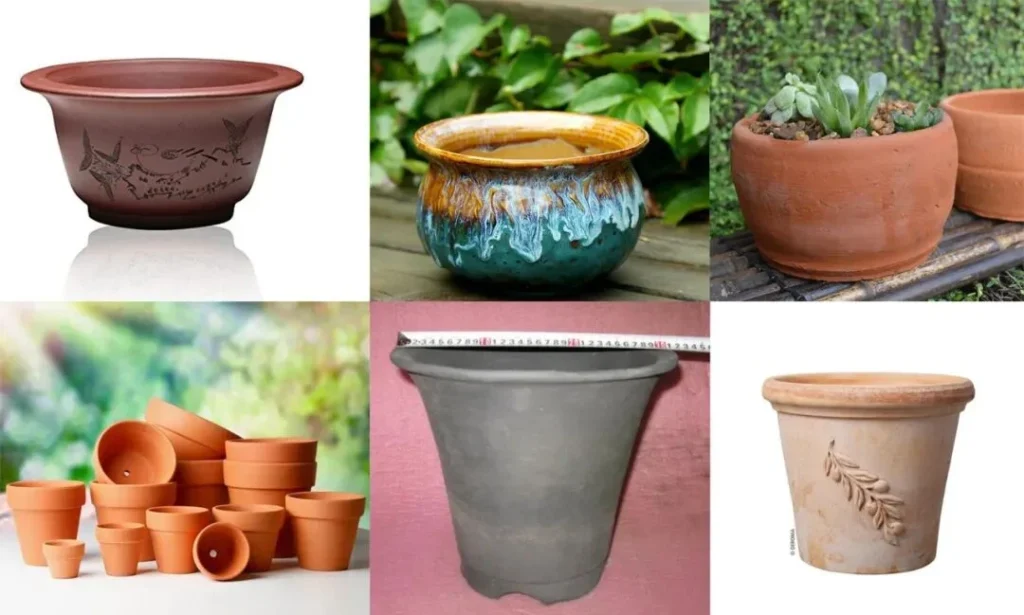
Except for glazed ceramics, most clay containers remain unglazed. This porous surface provides excellent breathability and drainage, creating an ideal environment for root growth. Glazed ceramic pots feature a smooth, colorful finish that looks beautiful, but their lack of airflow can sometimes hinder plant health.
Why Experienced Gardeners Love Terracotta Pots
1. Reduces Plant Diseases
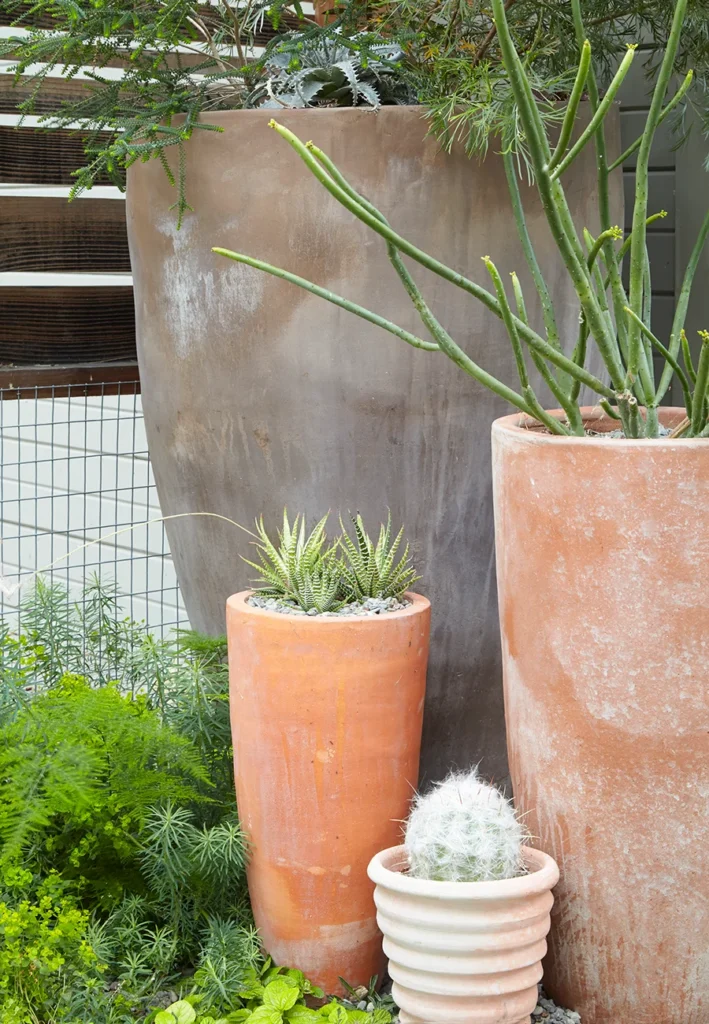
Using unglazed clay containers helps prevent root rot, leaf spot, and other fungal diseases. The porous material allows air and water to circulate freely through the soil.
2. Excellent Breathability and Drainage
Clay containers are crafted using traditional firing methods at temperatures below 1000 degrees Celsius, which preserves their natural porous structure.
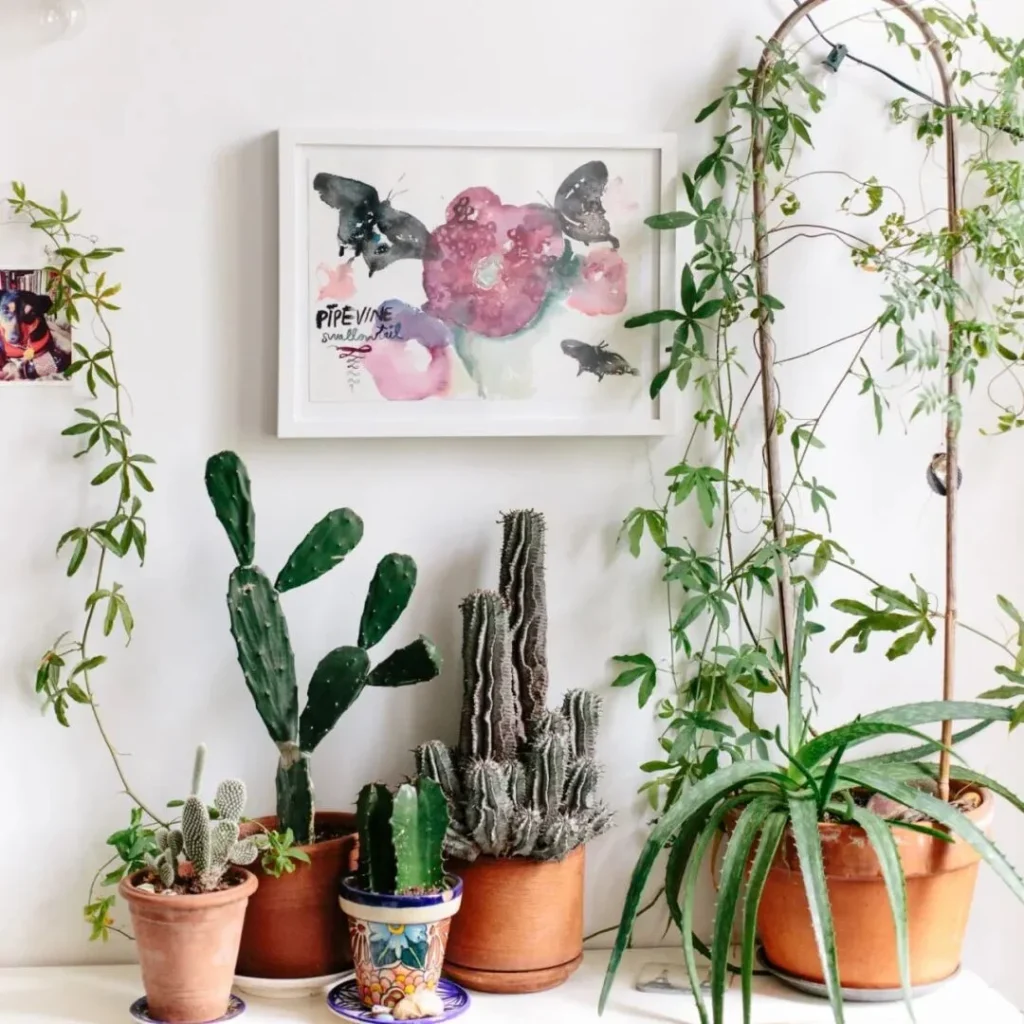
The earthy surface also acts as a natural moisture indicator. The clay darkens when wet and lightens as it dries, making it easy to check soil moisture. Most indoor plants dislike overly wet soil, and breathable clay effectively prevents waterlogging.
3. Versatile Aesthetic Appeal
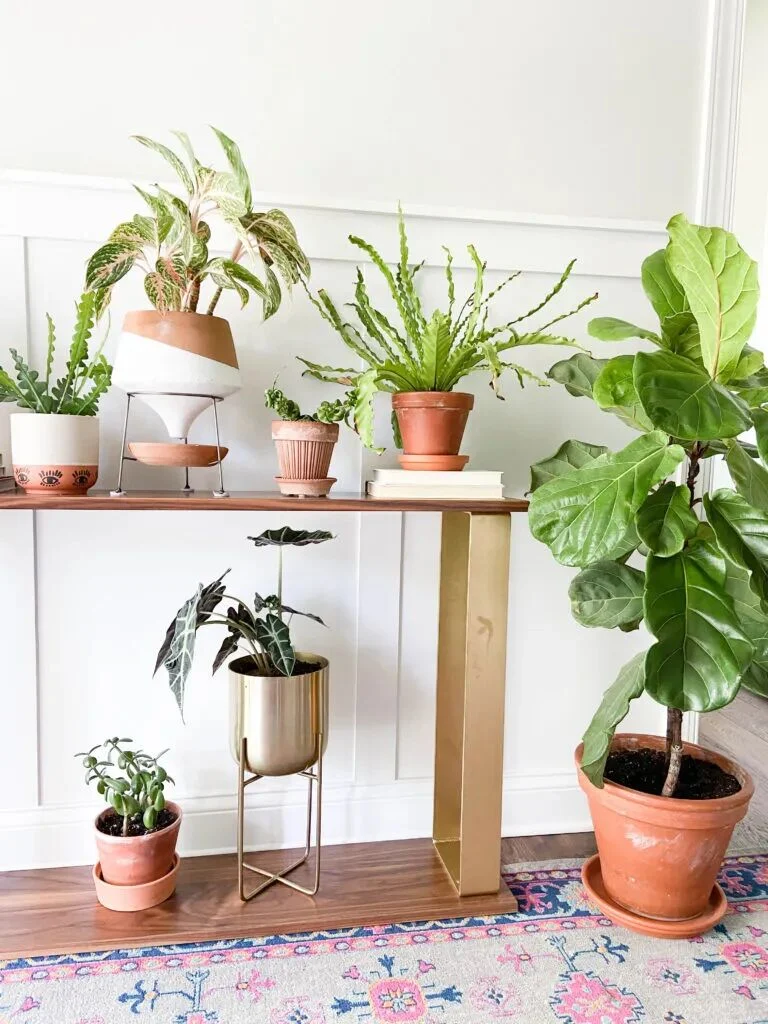
The natural earth tones of terracotta, ranging from yellow to deep orange, blend seamlessly with any plant variety. Unlike brightly colored ceramics that might clash with your decor, these earthy containers enhance the natural beauty of your space. Over time, the surface develops a weathered patina, adding a charming vintage aesthetic to your garden.
4. Affordable and Reusable
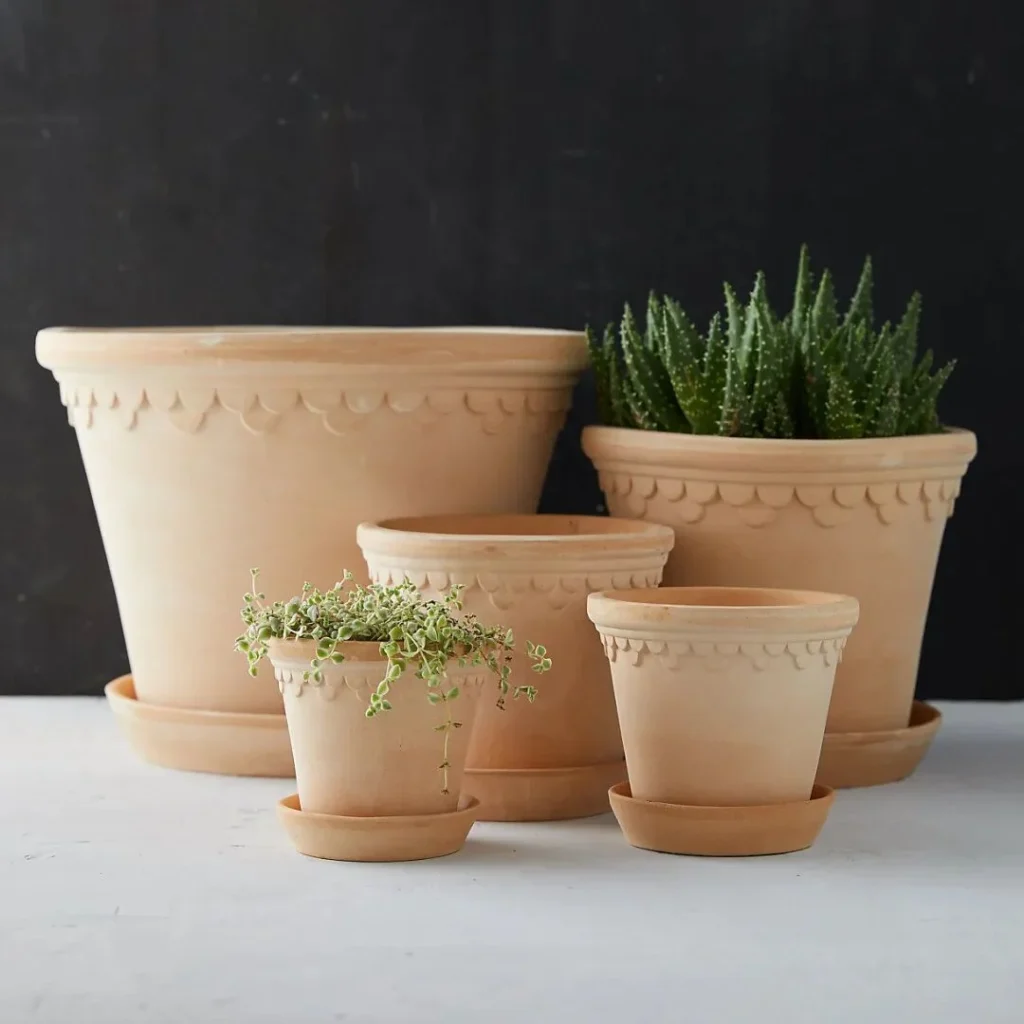
While premium imported clay containers can be expensive, standard terracotta and rough clay pots remain highly affordable. They come in various shapes and sizes to fit any budget. Older pots can easily be cleaned, disinfected, and reused for years.
5. Temperature Insulation
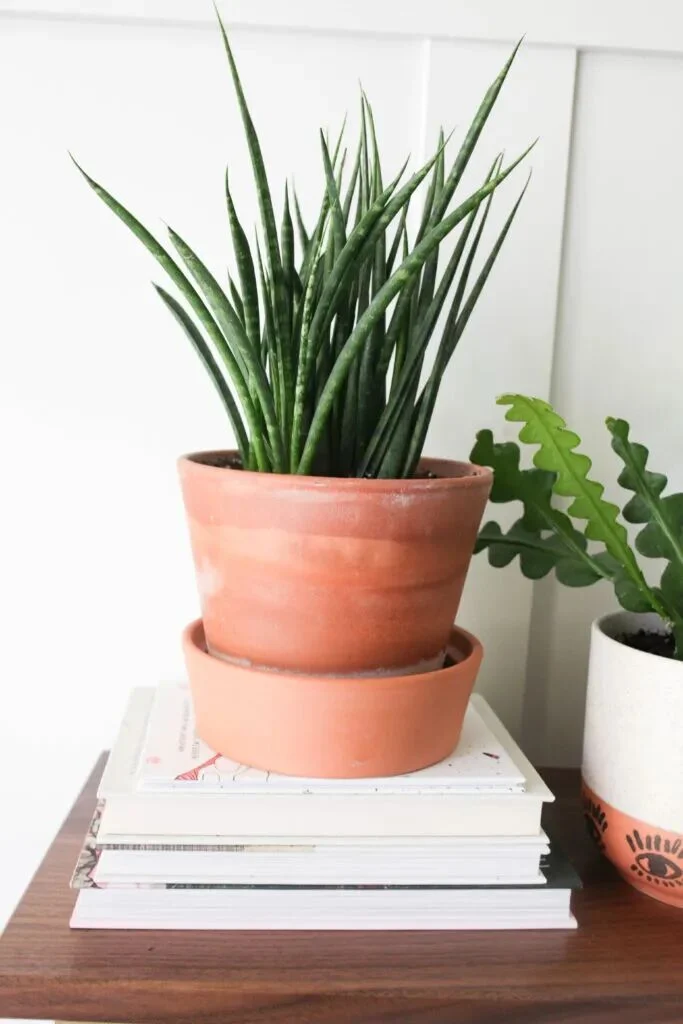
Clay acts as a natural insulator, reducing heat transfer between the soil and the external environment. This protects delicate roots from sudden temperature fluctuations. It retains warmth during cooler months and prevents overheating during the summer.
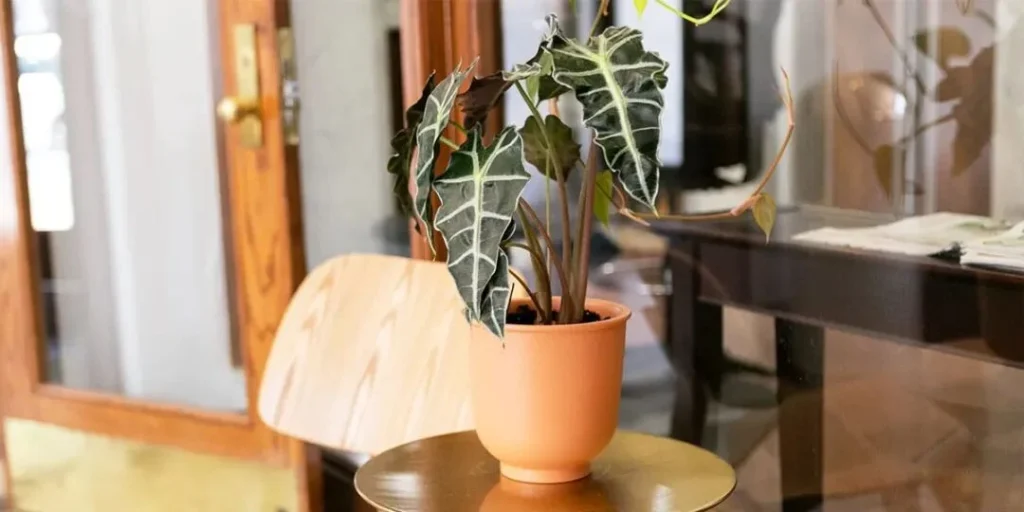
Made from natural clay, these pots are heavier than plastic but lighter than concrete. Their sturdy weight prevents them from tipping over in windy outdoor conditions.
Common Drawbacks and How to Manage Them
1. Fragility
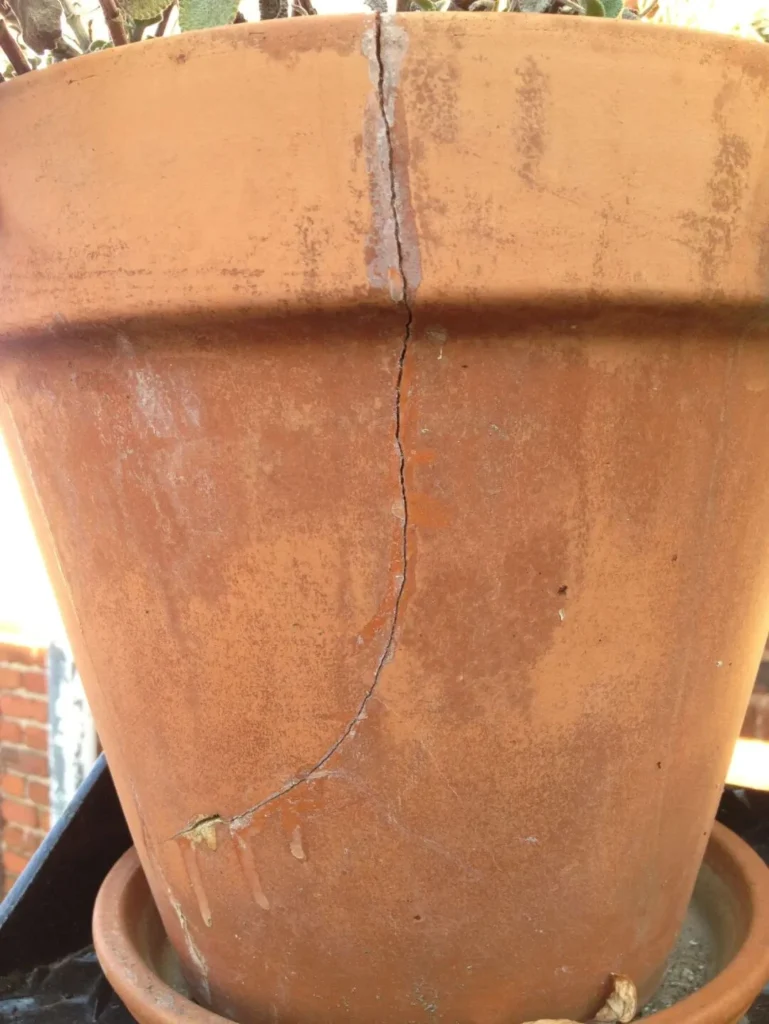
The most obvious downside is their fragile nature. A simple drop or heavy impact will easily shatter the clay.
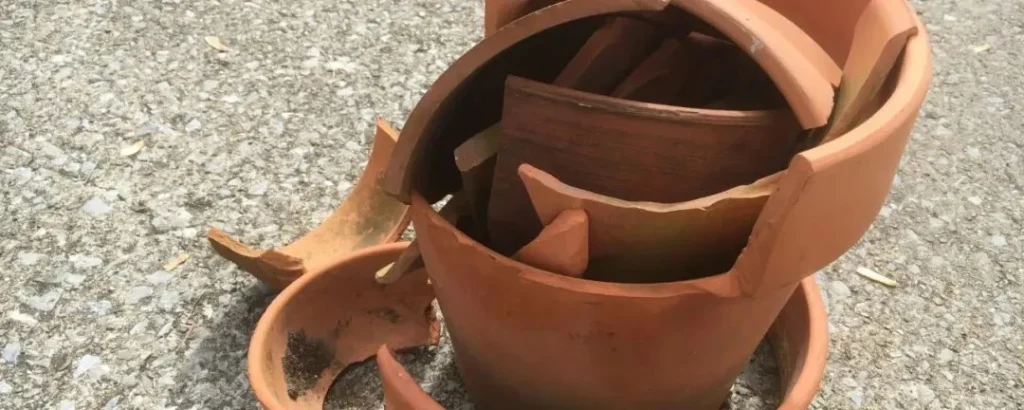
However, broken pieces do not have to be wasted. You can use the curved shards to cover drainage holes in other pots, preventing soil loss while maintaining water flow.
2. Rapid Moisture Loss
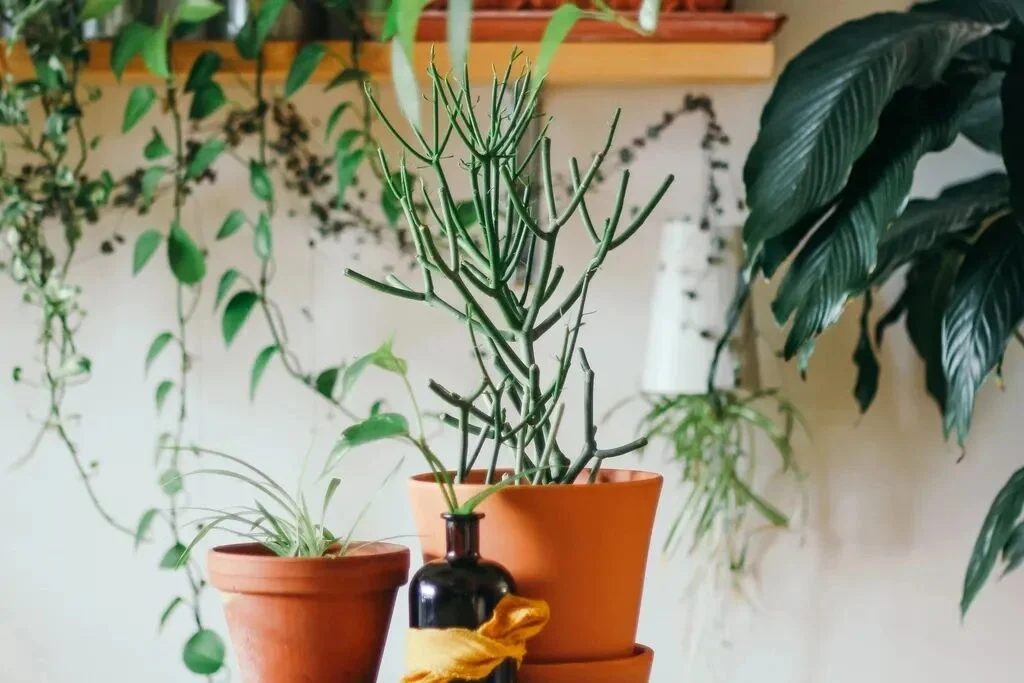
Because of their excellent drainage, these containers dry out quickly. They are not suitable for moisture-loving plants like pennywort that require constantly wet soil.
3. Vulnerability to Frost
Traditional clay is highly susceptible to frost damage. When temperatures drop below freezing, any moisture trapped inside the porous walls will expand and crack the container.
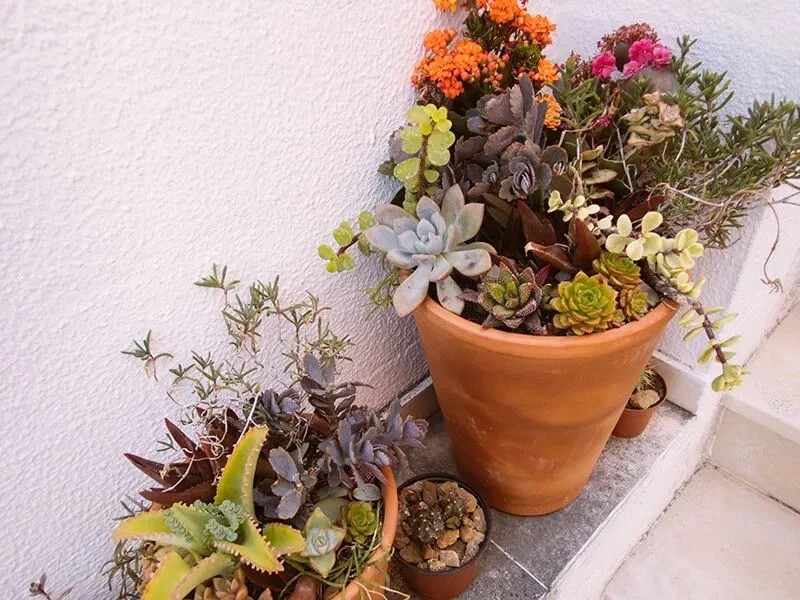
Always move these pots to a frost-free location during winter. While frost-resistant options exist, they are usually more expensive and slightly less breathable.
4. Salt and Mineral Buildup
Over time, watering with tap water or using chemical fertilizers causes white salt and mineral deposits to form on the outside of the container.
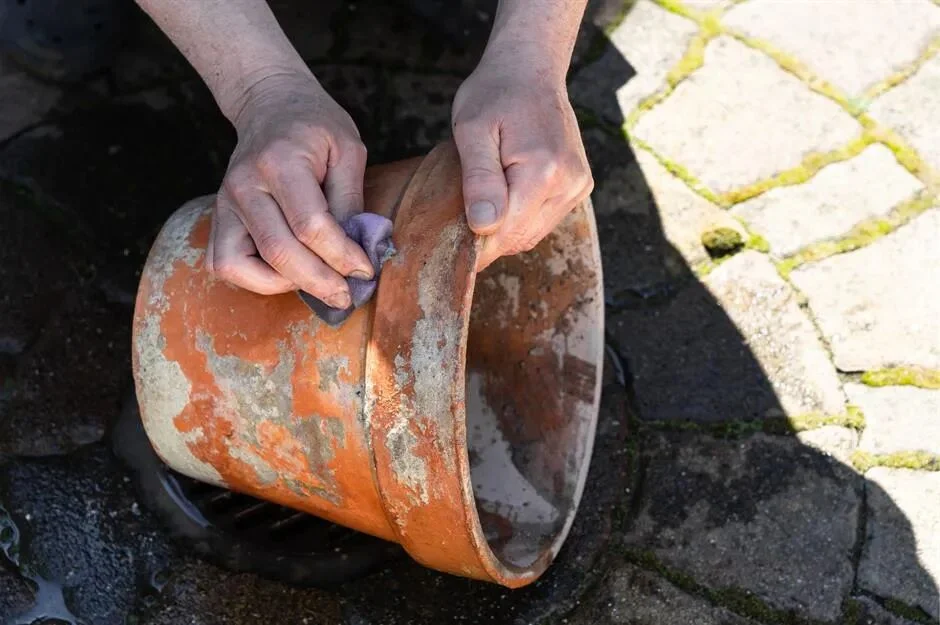
You can easily clean this buildup using common household items. Mix white vinegar and water in a 1:3 ratio, and scrub the surface with a soft cloth or brush. For stubborn stains, soak the pot in a 1:10 vinegar solution for 30 minutes. A baking soda paste also works wonderfully for removing dirt and mineral crusts.
Best Plants for Terracotta Containers
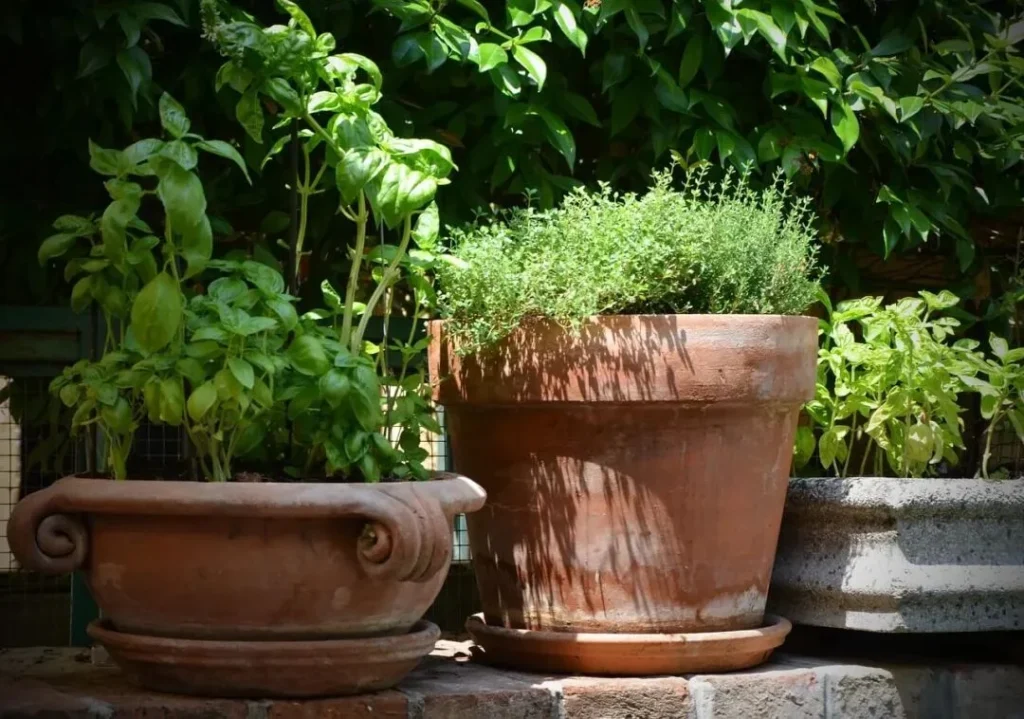
These breathable containers are excellent for growing vegetables at home, provided you increase your watering frequency to compensate for the rapid drying.
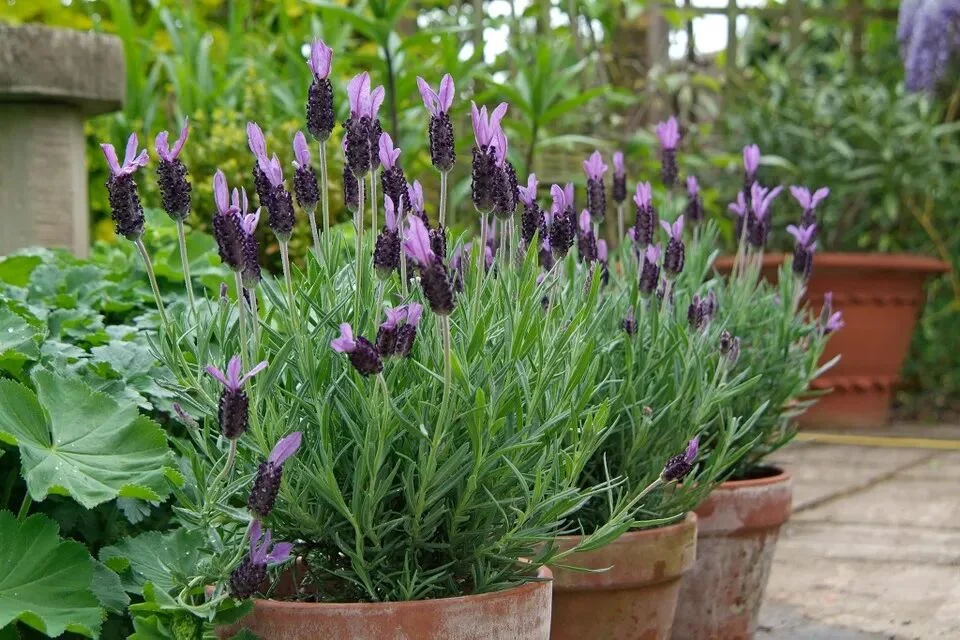
They are the perfect choice for drought-tolerant species and herbs. Succulents, cacti, rosemary, lavender, basil, thyme, orchids, snake plants, aloe vera, monstera, peperomia, and ZZ plants will thrive in these classic clay pots.
The terracotta care tips make sense because the faster drying behavior can be helpful or risky depending on the room.
The comparison between pot materials is useful because it connects the look of the pot with watering habits.
Very helpful care tips.
I never knew clay darkens when wet.
The terracotta care tips make sense because the faster drying behavior can be helpful or risky depending on the room.