Terracotta Pots Guide: Pros, Cons, and Best Plants to Grow
 AbodePro Tools
Overwatering is the most common mistake beginner indoor gardeners make, often leading to soggy soil and fatal root rot.
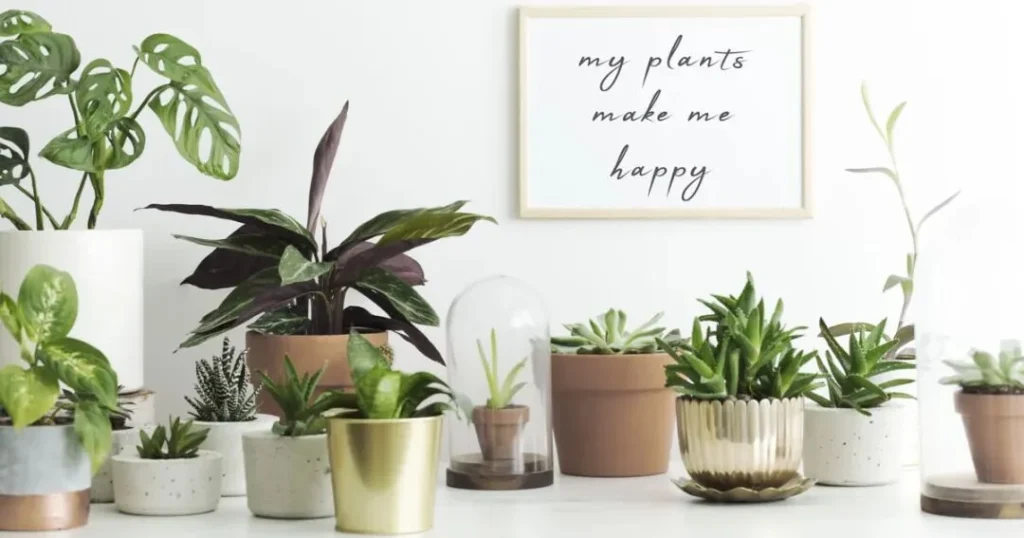
Choosing the right container is just as crucial as monitoring soil moisture. Large pots in poorly ventilated indoor spaces trap water, making root rot almost inevitable. Selecting a container with excellent drainage and breathability is essential for healthy plant growth.
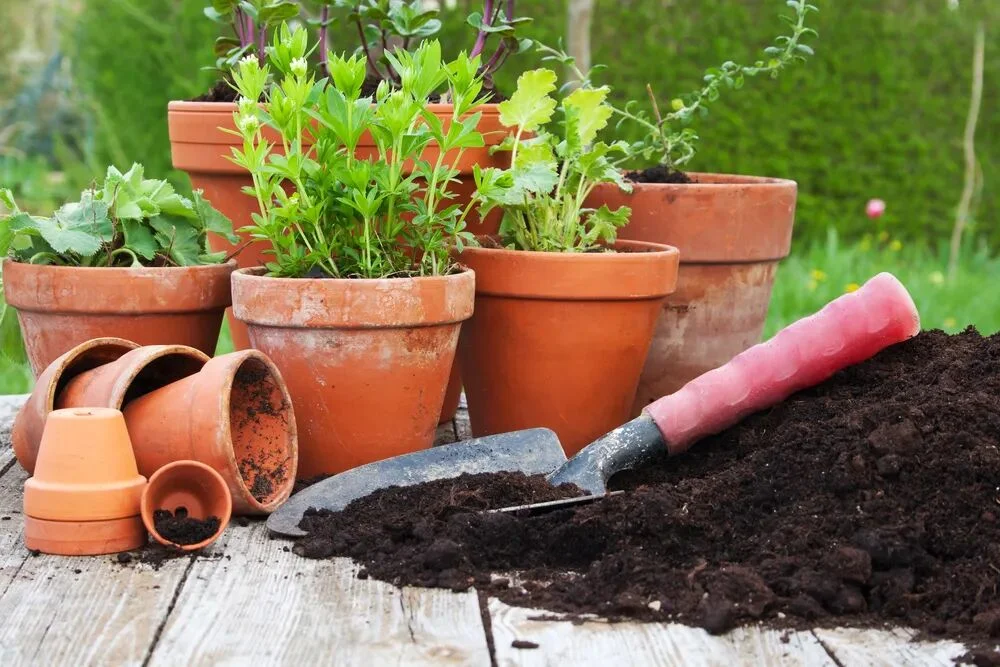
While plastic, ceramic, and concrete containers are widely available, terracotta pots remain a top choice for plant enthusiasts. Their rustic, natural aesthetic has made them increasingly popular in modern home decor.
Why Are Terracotta Pots Relatively Expensive?
Many gardeners notice that genuine terracotta can carry a higher price tag. The primary reason is the cost of transportation.
Terracotta is inherently fragile. A slight bump or excessive pressure can cause the material to crack or shatter completely. This high risk of breakage during shipping significantly increases the overall logistics and delivery costs.
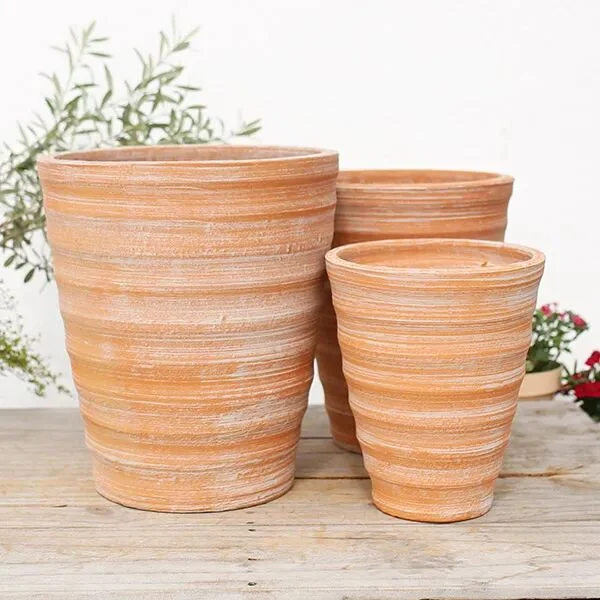
To save money, consider purchasing these containers from local nurseries or garden centers instead of ordering them online. Shopping locally often allows you to negotiate prices and inspect the pots for hidden cracks.
Who Should Use Terracotta Planters?
Fired from natural clay at high temperatures, these containers offer a classic, earthy tone that blends perfectly with natural interior styles.
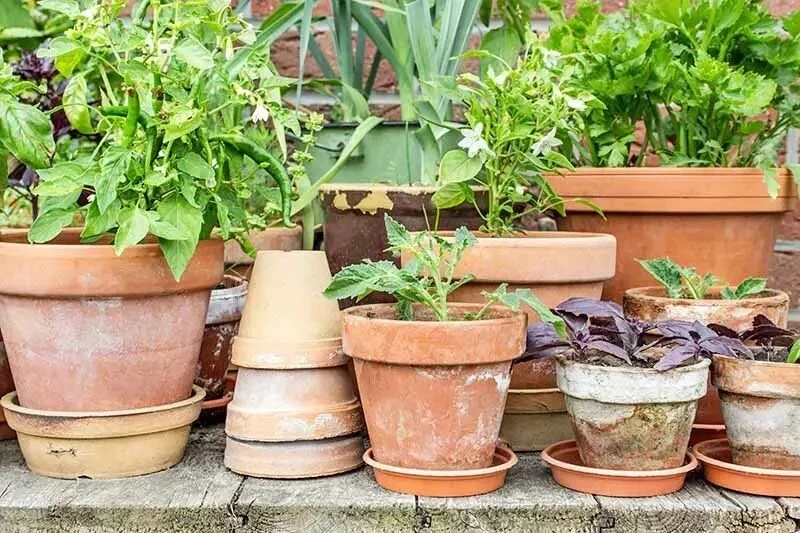
The standout feature of terracotta is its exceptional porosity. Moisture evaporates rapidly not just from the soil surface, but through the walls and bottom of the container. This creates a highly breathable environment that encourages robust root systems. If you are a heavy waterer who cannot resist tending to your plants daily, using a porous clay pot is the best way to prevent accidental drowning.
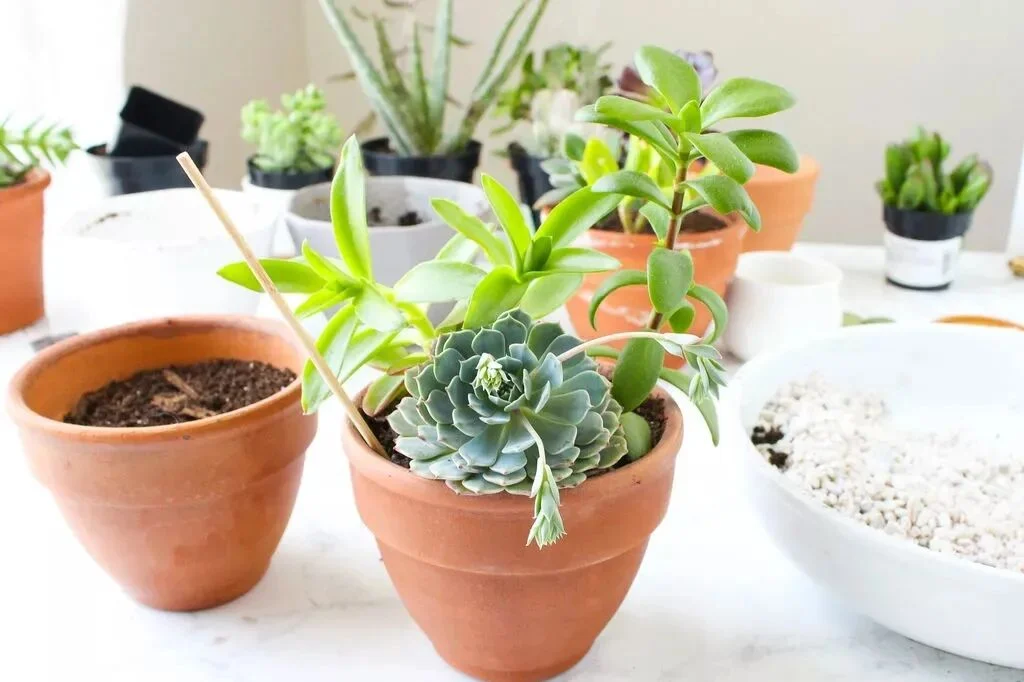
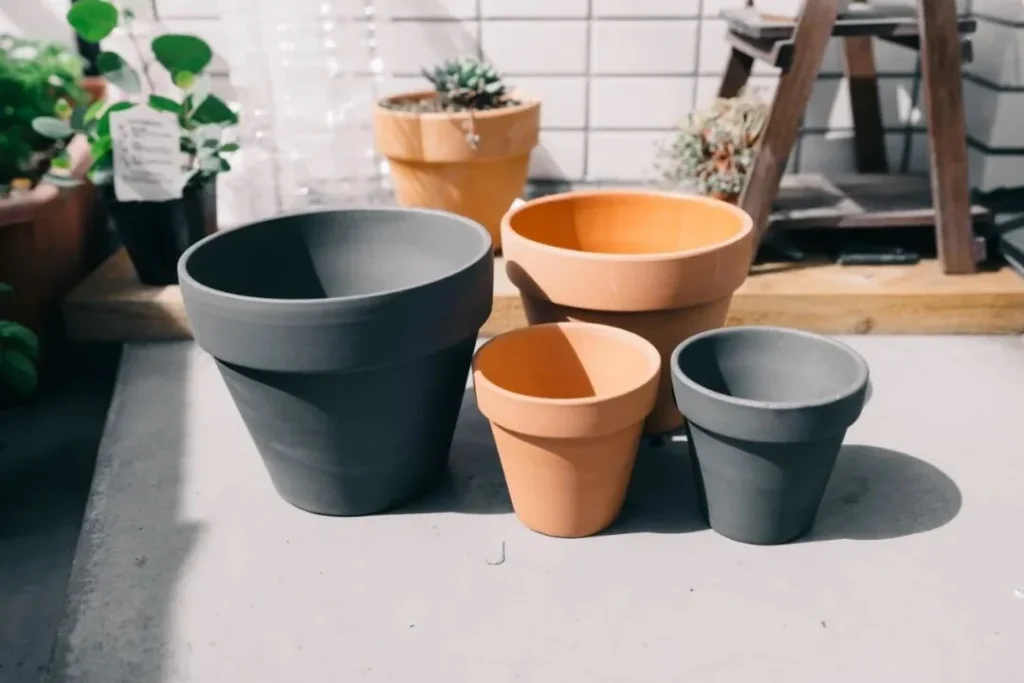
Traditional unglazed clay pots share similar characteristics. Often gray or black, they easily develop a patina of moss or white mineral deposits, offering excellent drainage and a vintage look.
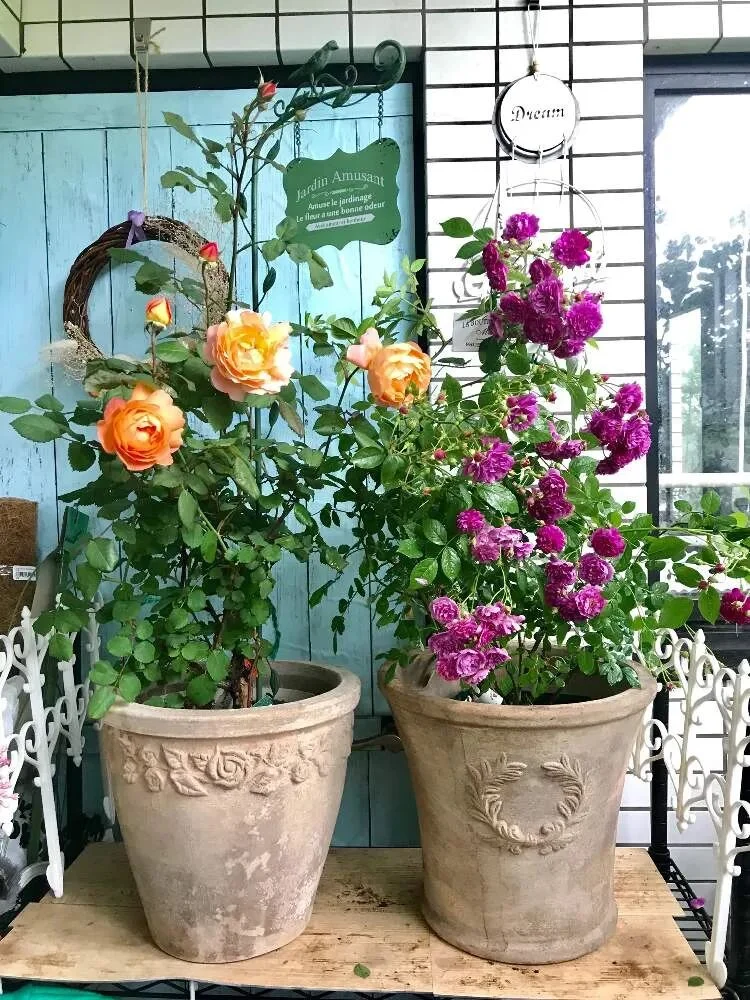
Modern terracotta comes in various shapes and textures, with premium options featuring intricate embossed designs on the exterior.
Disadvantages of Using Clay Pots
Despite their benefits, these porous containers are not suitable for every situation.
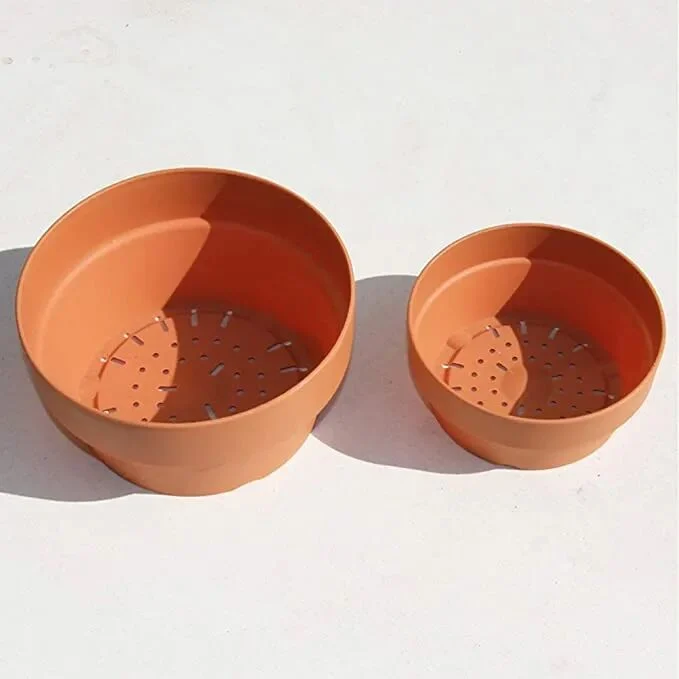
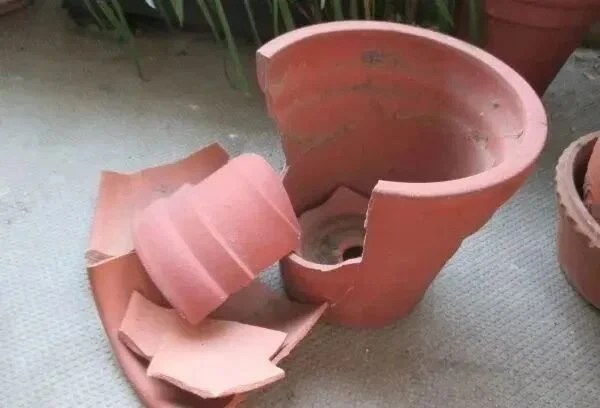
The most obvious drawback is their fragility. Minor impacts during routine plant care can easily chip or break the rim. Furthermore, they lack frost resistance. If left outdoors in freezing temperatures, the moisture trapped inside the porous walls will expand as it freezes, causing the pot to shatter.
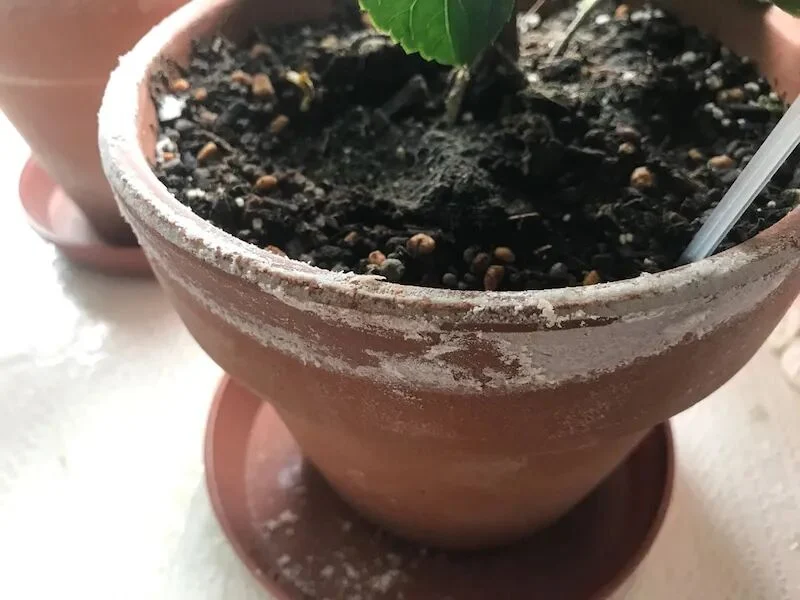
Another common issue is efflorescence. As water evaporates through the sides, it leaves behind white salt and mineral deposits from fertilizers and tap water. While some gardeners appreciate this weathered, aged appearance, others find the white crust and occasional algae growth unsightly.
Main Advantages for Indoor Gardening
The greatest advantage of terracotta is its ability to dry out soil quickly.
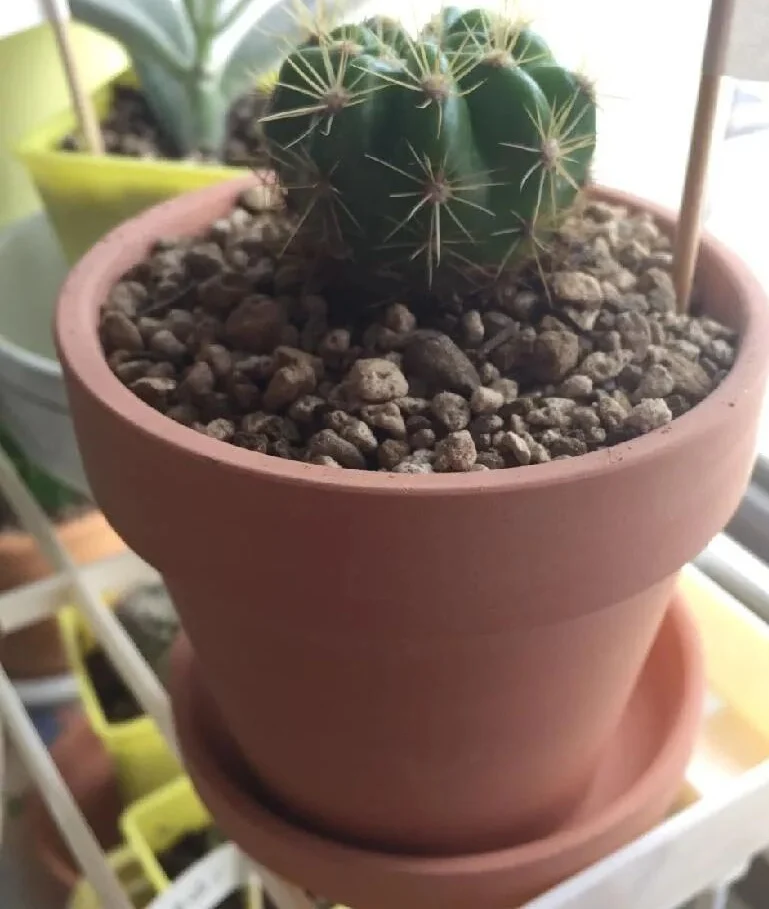
Under the exact same environmental conditions, soil in a clay container will dry days faster than in a plastic or glazed ceramic one. This makes them perfect for succulents, cacti, bulbs, and various indoor foliage plants like amaryllis, jade plants, and aloe vera. The rapid moisture loss effectively protects plants from root rot in indoor spaces with poor air circulation.
However, avoid using them for moisture-loving species. Carnivorous plants, such as pitcher plants and Venus flytraps, require constant moisture and often need to sit in a tray of water, making porous clay a poor choice.
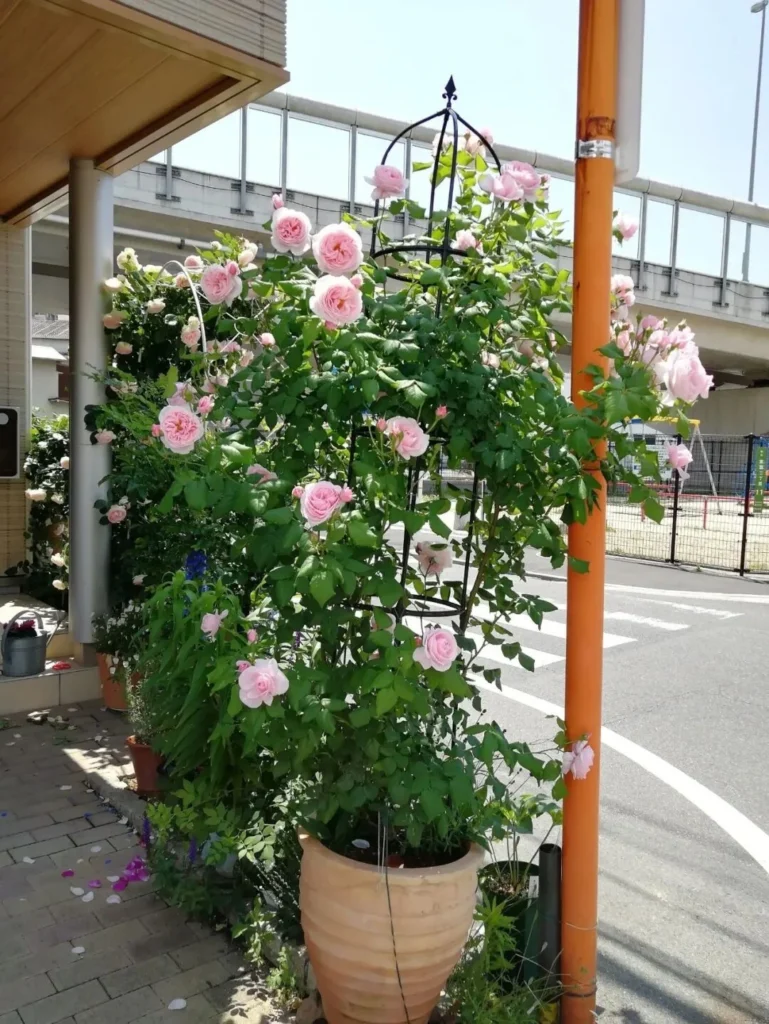
Similarly, outdoor herbaceous flowers grown in full sun, like petunias or plumbago, demand heavy watering. Using a fast-drying container for these thirsty plants might force you to water them twice a day, which becomes a maintenance burden.
Important Tips for Choosing the Right Shape
Selecting the right container depends heavily on your watering habits and the specific needs of your plants. When shopping, avoid pots with a narrow top and wide middle.
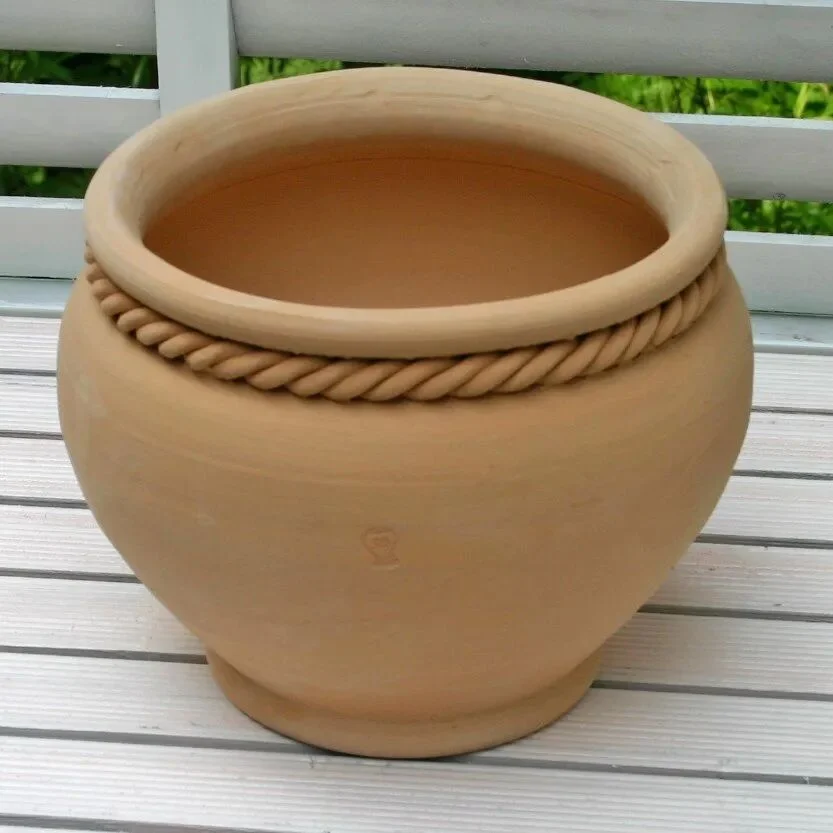
These specific containers feature a narrow top opening, a wide middle, and a narrow base. While visually appealing, they are highly impractical for growing shrubs or plants with extensive root systems. Once the roots fill the wide middle section, removing the plant for repotting becomes impossible without smashing the container.
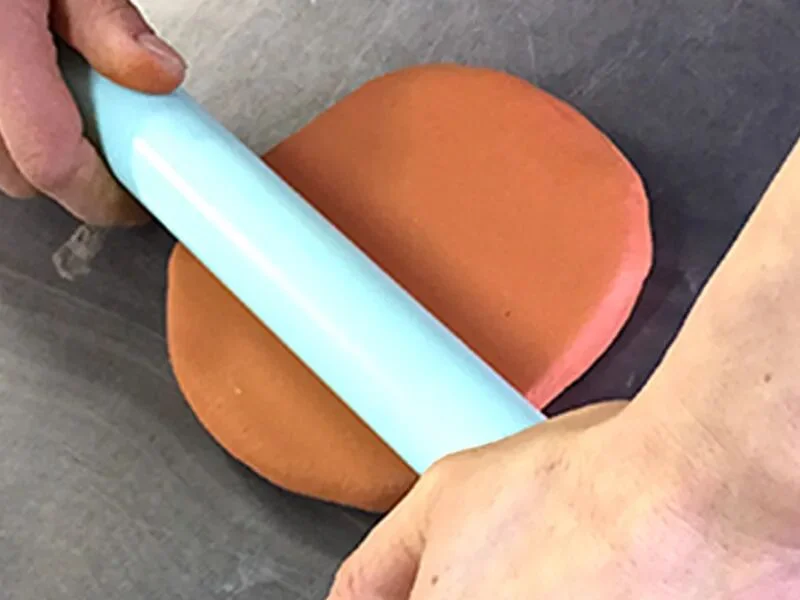
If you enjoy hands-on projects, purchasing natural clay to sculpt and fire your own custom planters can be a rewarding alternative to buying commercial options.
Buying locally makes sense. I never thought about the shipping risks for clay.
The terracotta pros and cons are balanced, and the watering advice fits what happens with porous clay pots.
The terracotta pros and cons are balanced, and the watering advice fits what happens with porous clay pots.
I actually like the white mineral crust.
The terracotta overview is useful because it explains when the faster drying helps and when it can become a problem in hot weather.
The terracotta overview is useful because it explains when the faster drying helps and when it can become a problem in hot weather.
The terracotta pros and cons are balanced, and the watering advice fits what happens with porous clay pots.