How to Choose the Right Plant Pots: A Guide for Beginners
 AbodePro Tools
Choosing the right plant pots is a crucial first step for gardening beginners. You need to select a pot that not only looks good but also meets the specific needs of your plants. The wrong choice can easily lead to poor plant health. With so many materials and shapes available on the market, understanding their pros and cons will help you make the best decision.
1. Plastic and Resin Pots
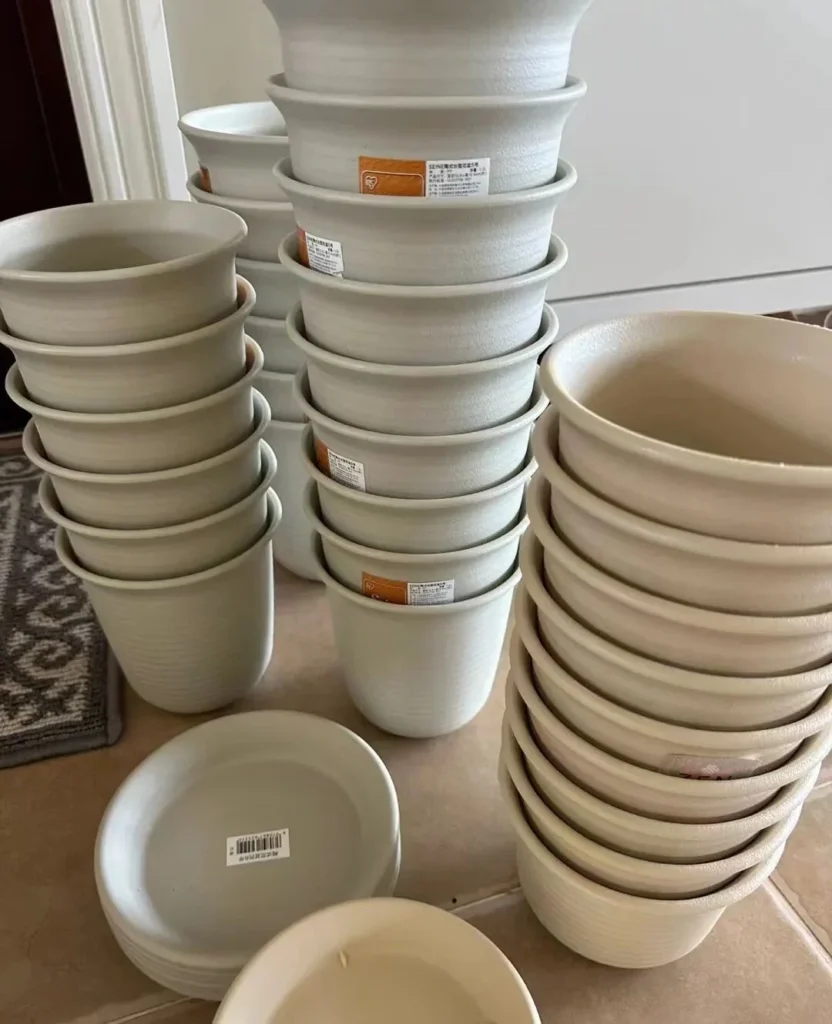
Plastic and resin pots are made from polymer materials. Resin pots generally offer better physical properties, being heavier, harder, more drop-resistant, and less prone to aging compared to standard plastic pots, though they are slightly more expensive.
- Pros: Lightweight, durable, affordable, shatterproof, available in many colors and styles, and crush-resistant.
- Cons: Poor water permeability (though many have drainage holes), poor breathability, not environmentally friendly, average aesthetics, and limited lifespan.
Common Types of Plastic Pots
Root Control Pots: Originally from Japan, these feature a hole design that promotes rooting and drainage. Roots grow downward without circling. They come in basic colors like green and white. Because they drain quickly, they require more frequent watering and are not ideal for moisture-loving plants. Water and fertilize slowly to prevent rapid runoff. The walls are relatively thin, offering less root protection.
Gallon Pots: Originating from the US, these are sized by volume (e.g., a 1-gallon pot is about 3.79 liters, 16 cm in diameter, and 17 cm high). They are mostly green, cheap, and durable against sunlight. However, they can cause root circling and have fewer drainage holes than root control pots. You can drill extra holes or add a layer of ceramsite at the bottom to prevent waterlogging.
Resin Planters: These are more expensive but highly aesthetic with rich colors and styles. They are great for orchids and last longer than gallon pots. They have many drainage holes but slightly less breathability.
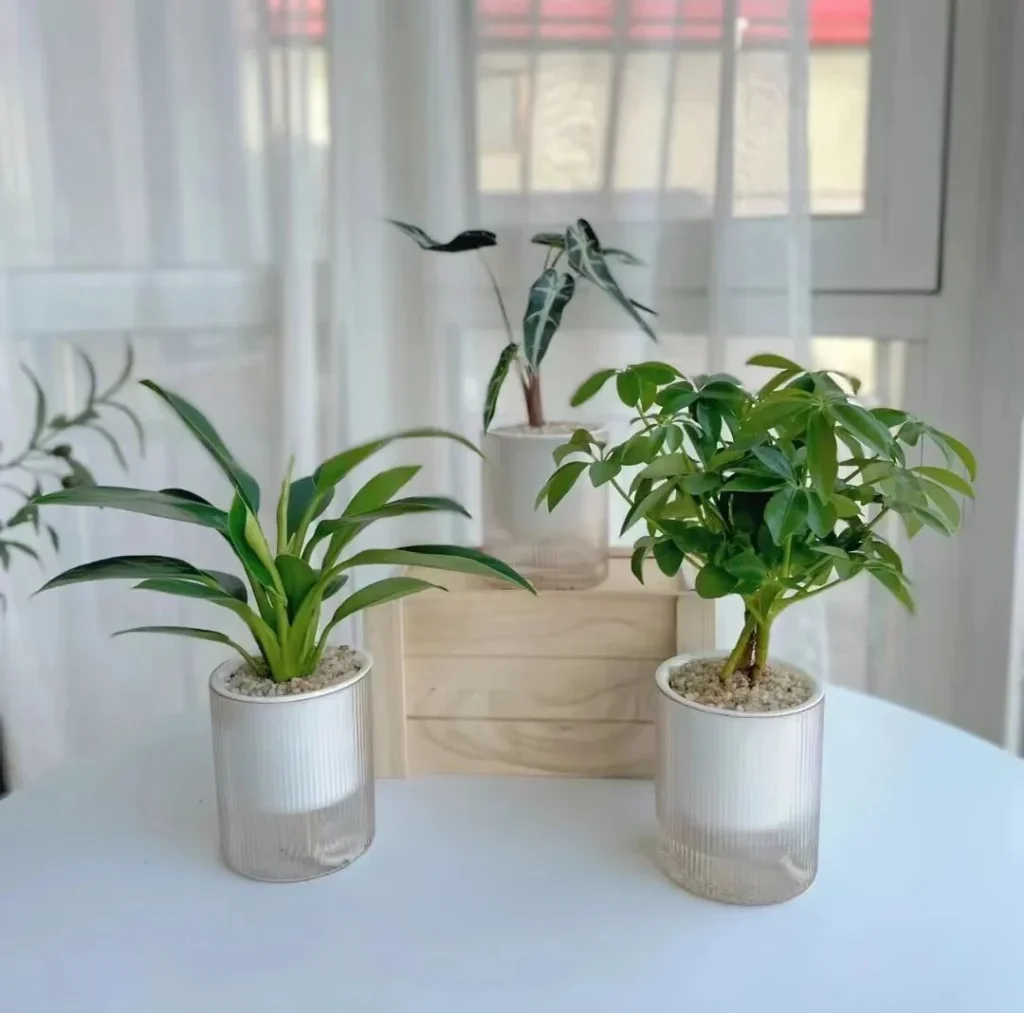
Self-Watering Pots: Ideal for moisture-loving or hydroponic plants.
2. Terracotta and Clay Pots
- Pros: Excellent breathability and drainage, highly aesthetic, versatile for decor, and good insulation.
- Cons: Fragile, fast water evaporation requiring frequent watering, susceptible to frost damage in winter, heavy, and prone to efflorescence (white crust) and moss growth.
Types of Clay Pots
Red Terracotta Pots: Made primarily from clay. Premium imported versions are fired at around 1000°C, making them denser, less prone to moss, and moderately permeable, but more expensive. Standard terracotta pots are fired at 600°C, making them highly permeable, prone to moss and efflorescence, but much cheaper.
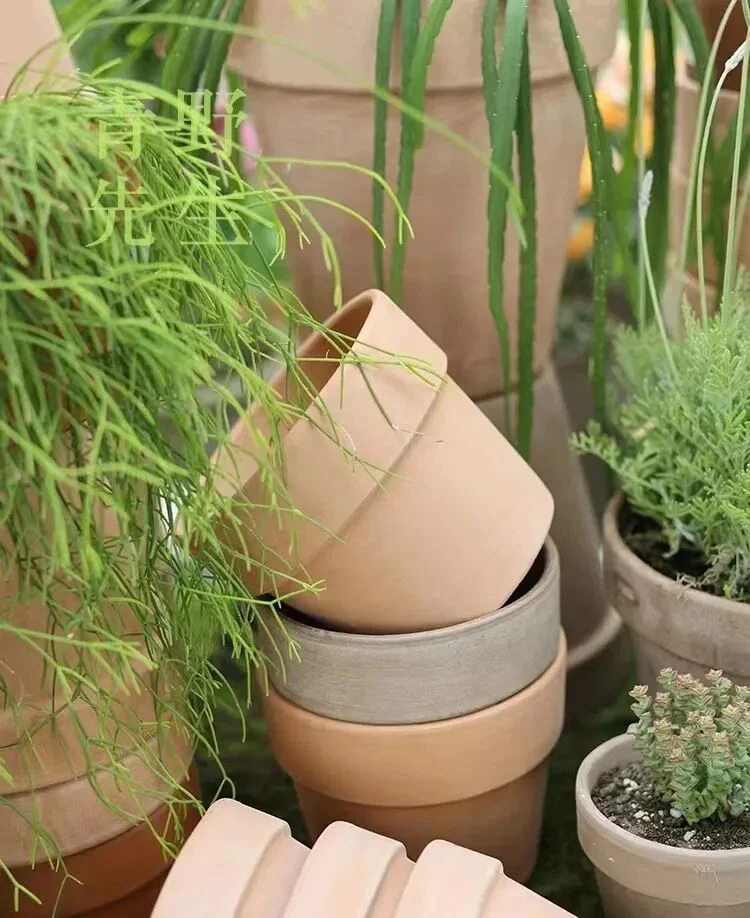
The porous nature of the pot walls and bottom provides excellent drainage and breathability. You can also gauge soil moisture by the pot’s color: dark means wet, light means dry. To clean efflorescence, wipe with a 1:3 white vinegar and water solution.
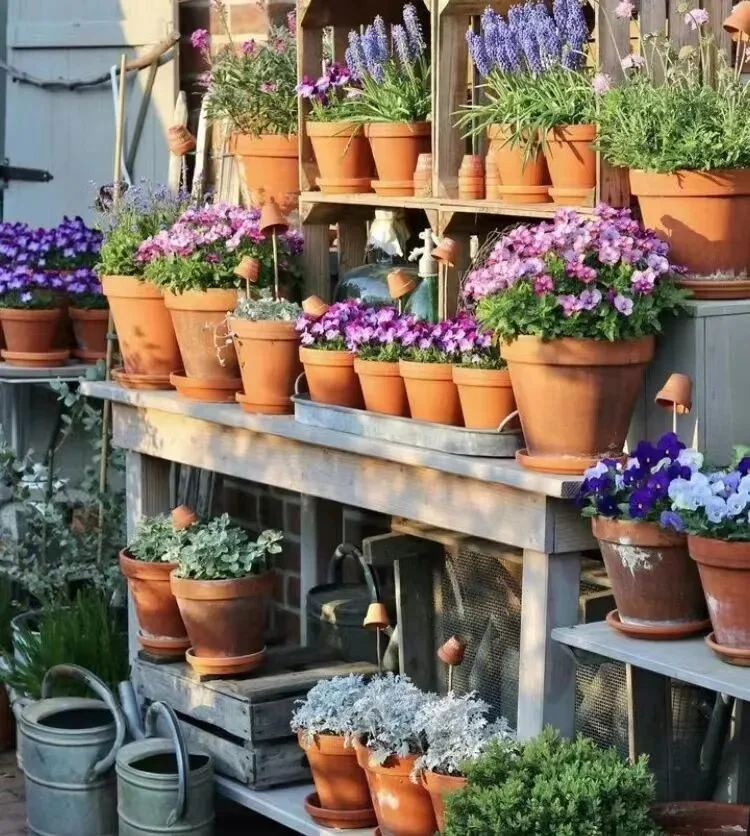
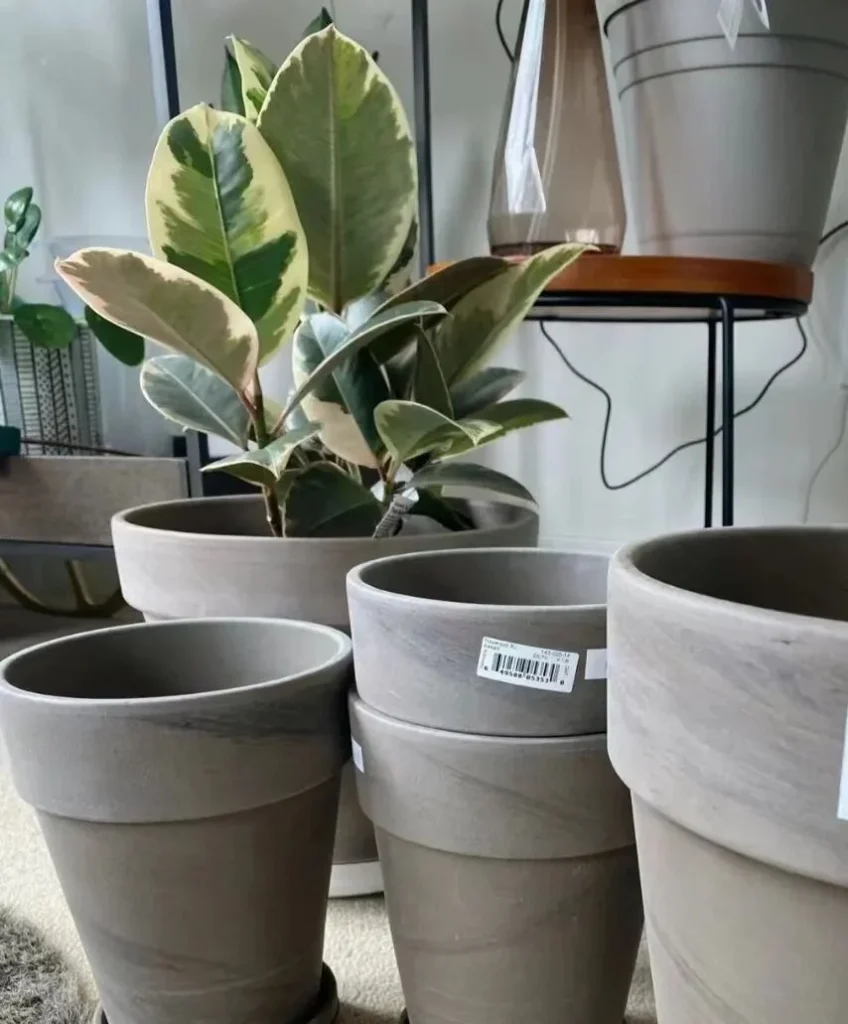
Grey Terracotta Pots: Made with the same process as red terracotta but cooled with cold water instead of naturally. They are more resistant to oxidation, weathering, and alkali, making them stronger and more durable, though less common on the market.
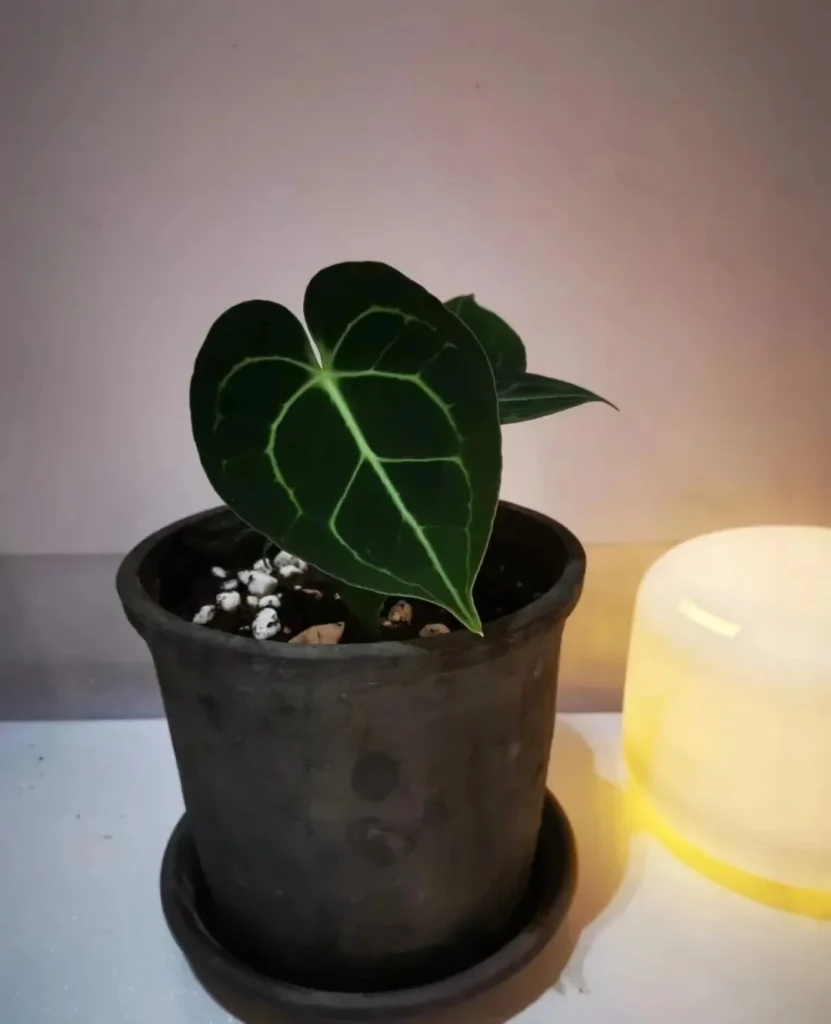
Black Terracotta Pots: Smoked with heavy smoke near the end of the firing process, covering the surface with carbon particles for a black finish. These are generally thinner.
Unglazed Earthenware Pots: Made from yellow clay, also known as bisque pots.
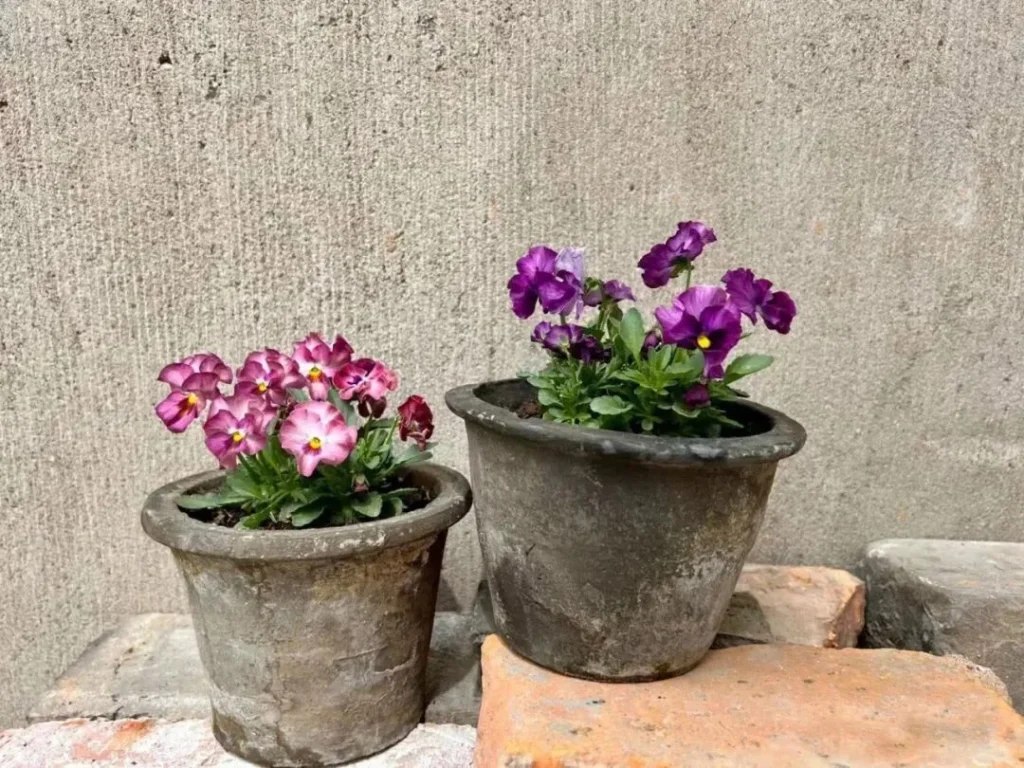
Impruneta Terracotta Pots: Made from premium clay from the Impruneta region. They are expensive and suitable for high-value plants like orchids and bonsai.
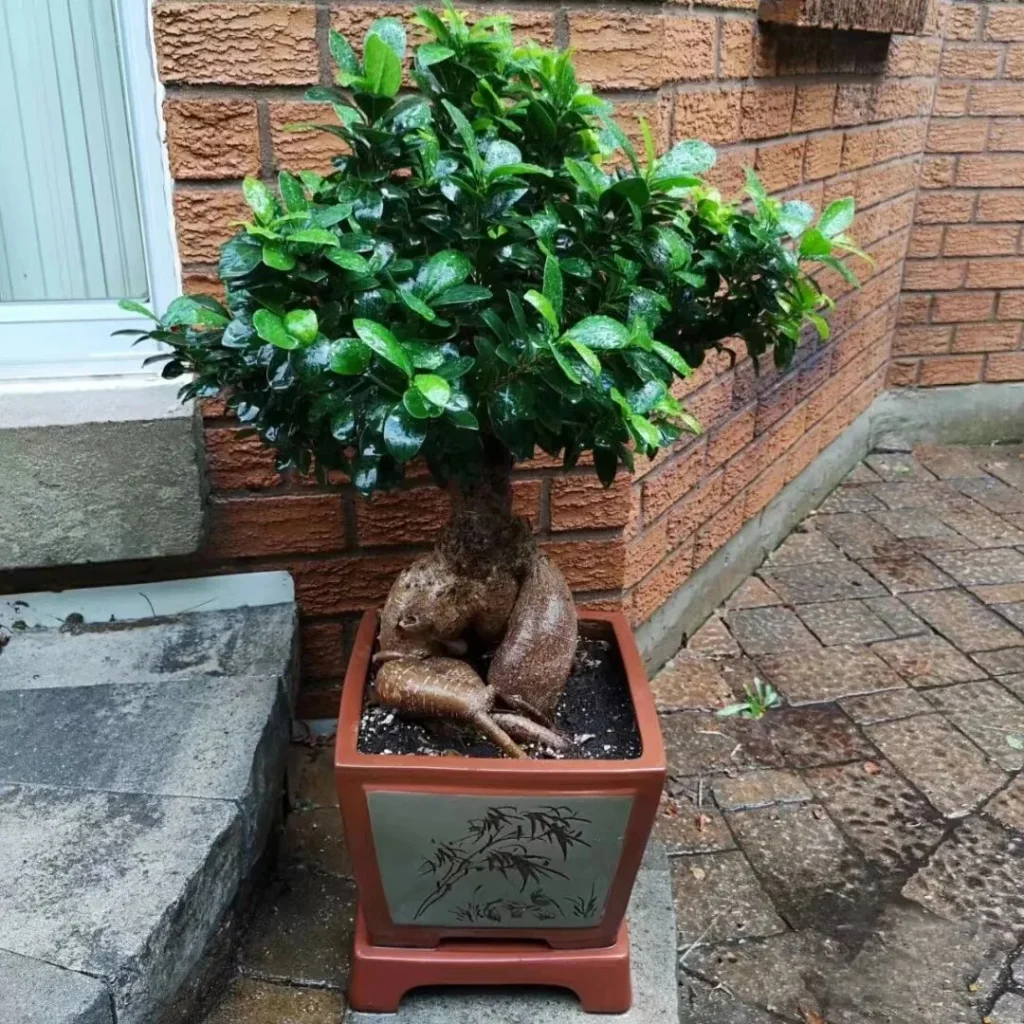
Coarse Pottery Pots: Made from a mix of clay and sand.
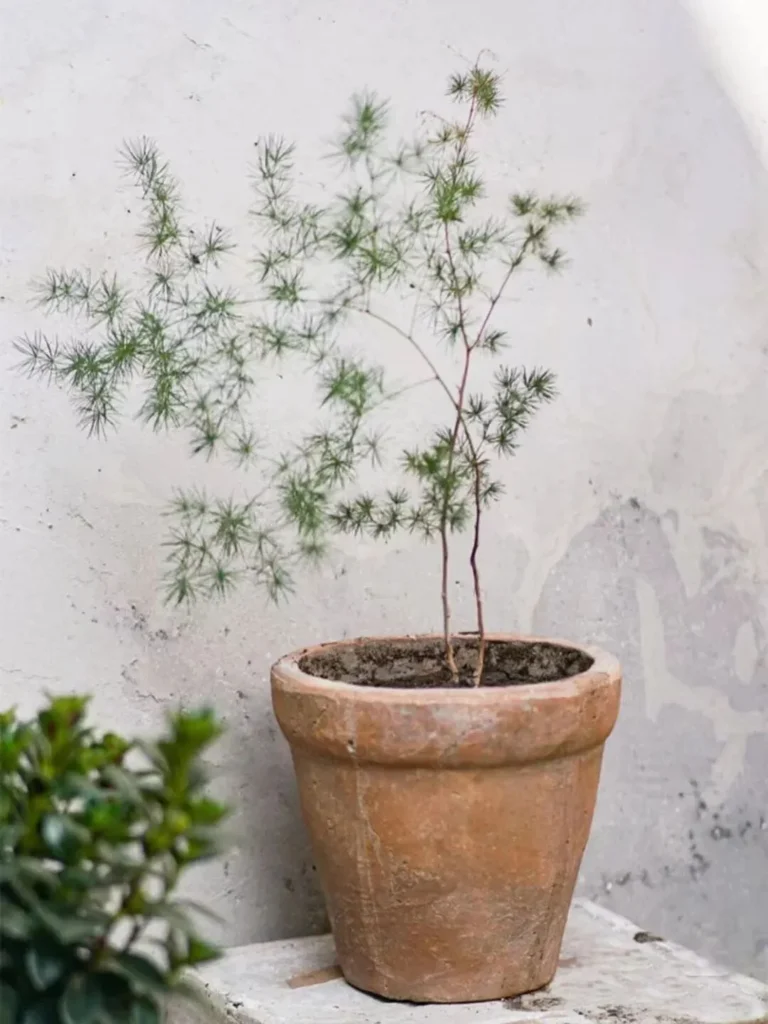
3. Ceramic Pots
- Pros: Rich colors, glossy finish, smooth surface, strong water retention, and great as cover pots.
- Cons: Poor breathability and drainage, fragile.
Ceramic pots are clay pots coated with a glaze inside or out during firing. This glaze significantly reduces breathability, which can easily lead to root rot for beginners. If you use them, ensure they have a drainage hole, add ceramsite at the bottom, use well-draining soil, and preferably plant moisture-loving species.
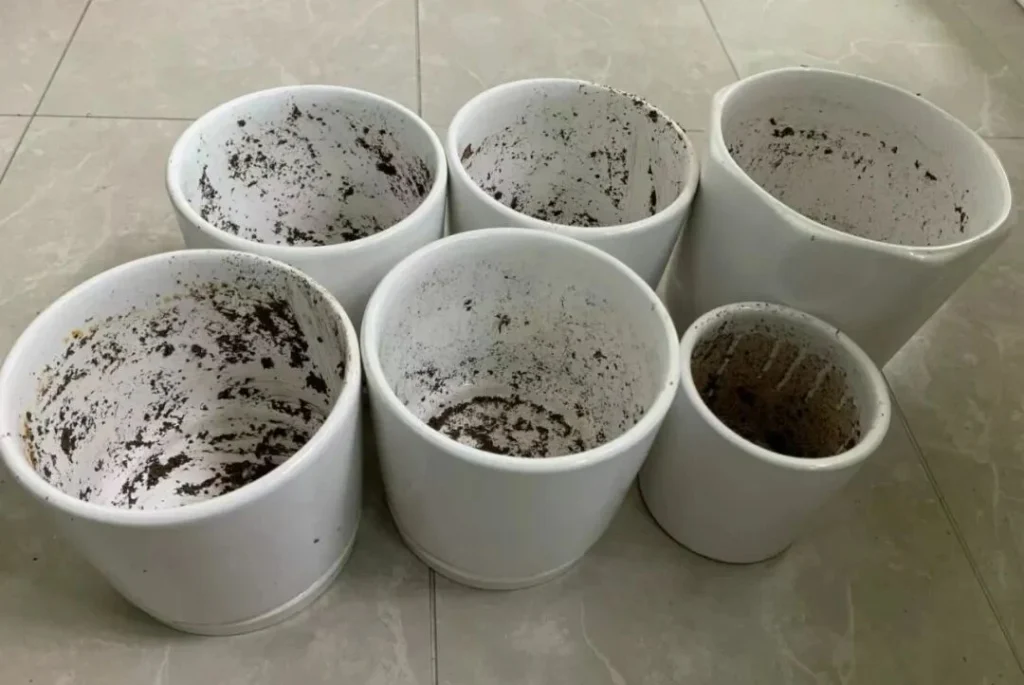
4. Concrete Pots
- Pros: Anti-corrosive, durable, and weather-resistant.
- Cons: Poor breathability, retains water, and very heavy.
Standard Concrete Pots: Made of cement and quartz sand. They represent industrial and Nordic styles. Being heavy and stable, they are perfect as cover pots for large plants, though they can crack. Mostly available in grey.
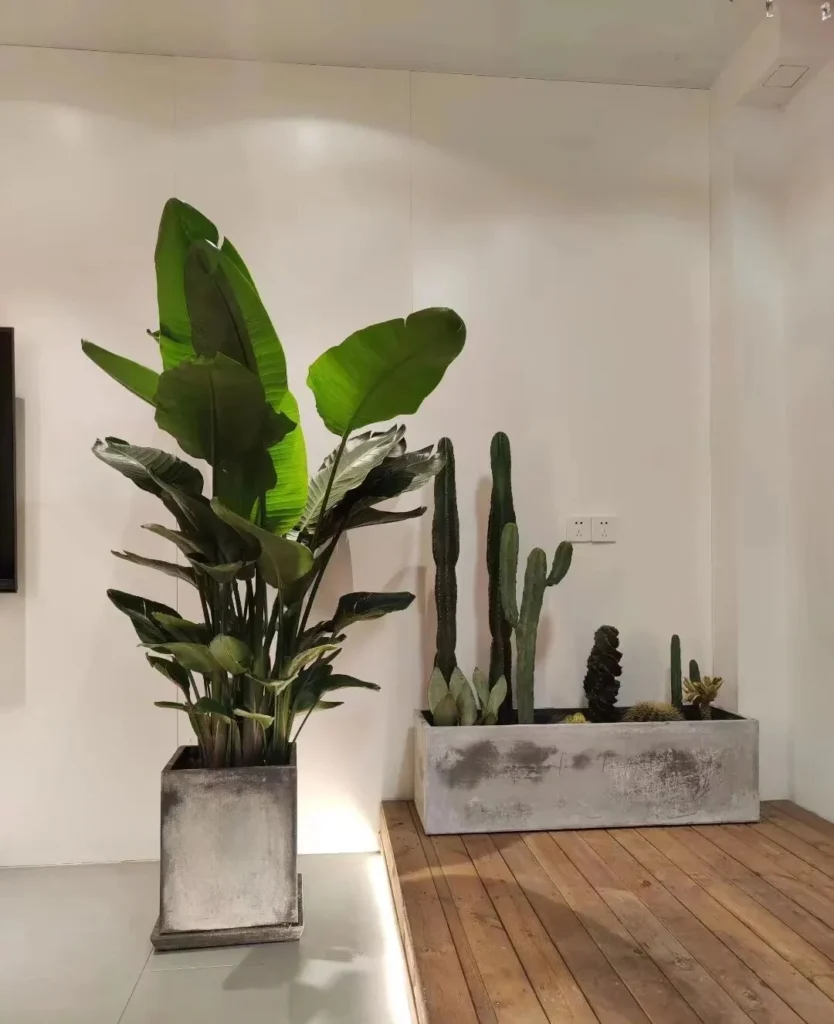
Magnesia Concrete Pots: Made by adding magnesium oxide and magnesium chloride to cement and sand. Compared to standard concrete, they resist efflorescence, come in more colors, are less likely to crack, are lighter, but cost more.
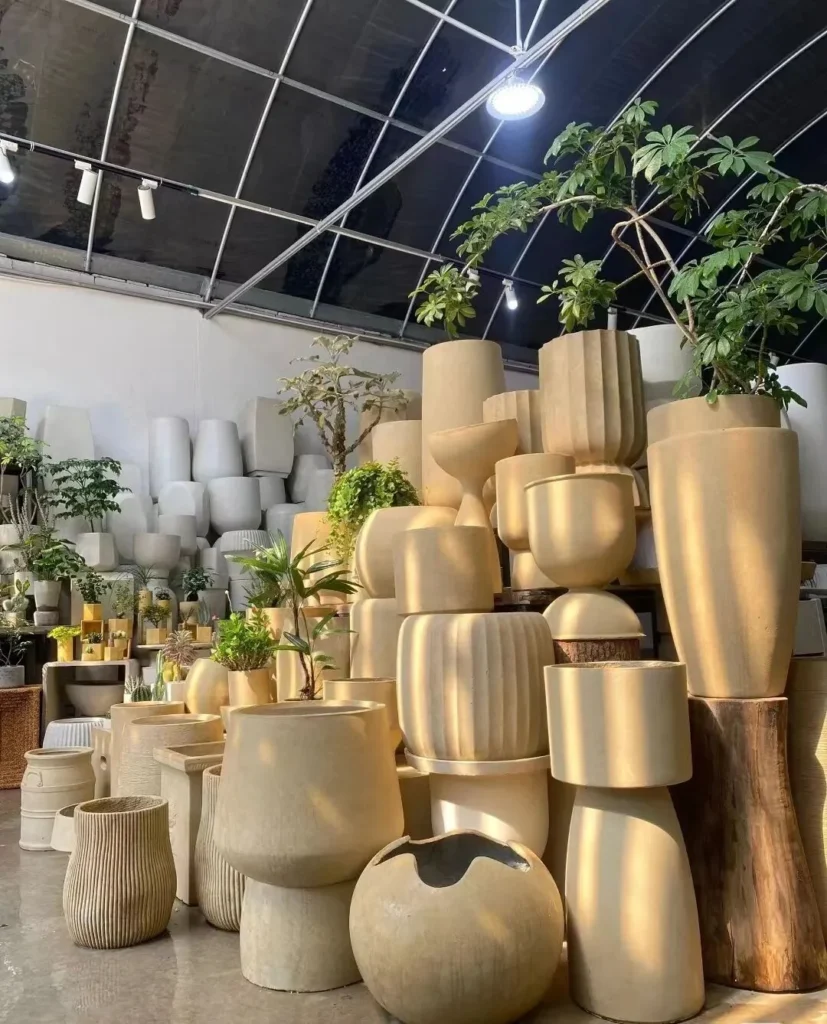
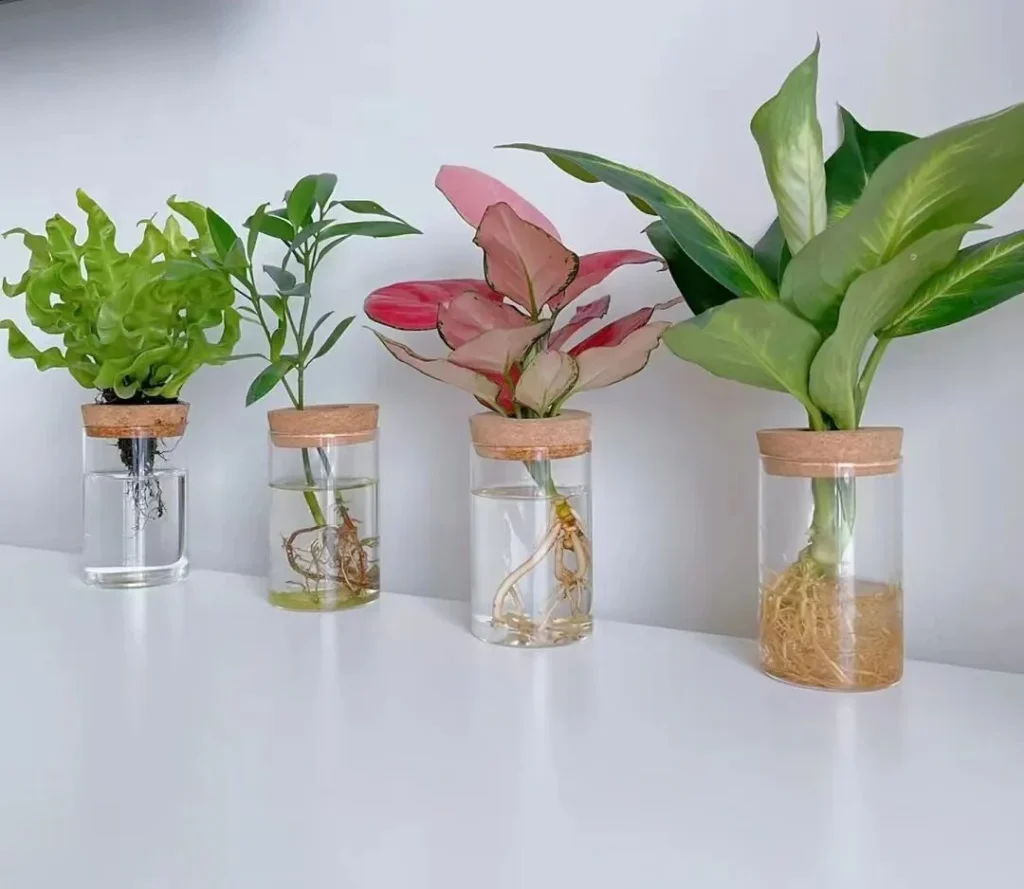
5. Hydroponic Pots
- Pros: Clean, hygienic, compact, and available in many styles. Mostly clear plastic or glass. Great for root growth, easy to maintain, beginner-friendly, and perfect for low-maintenance care.
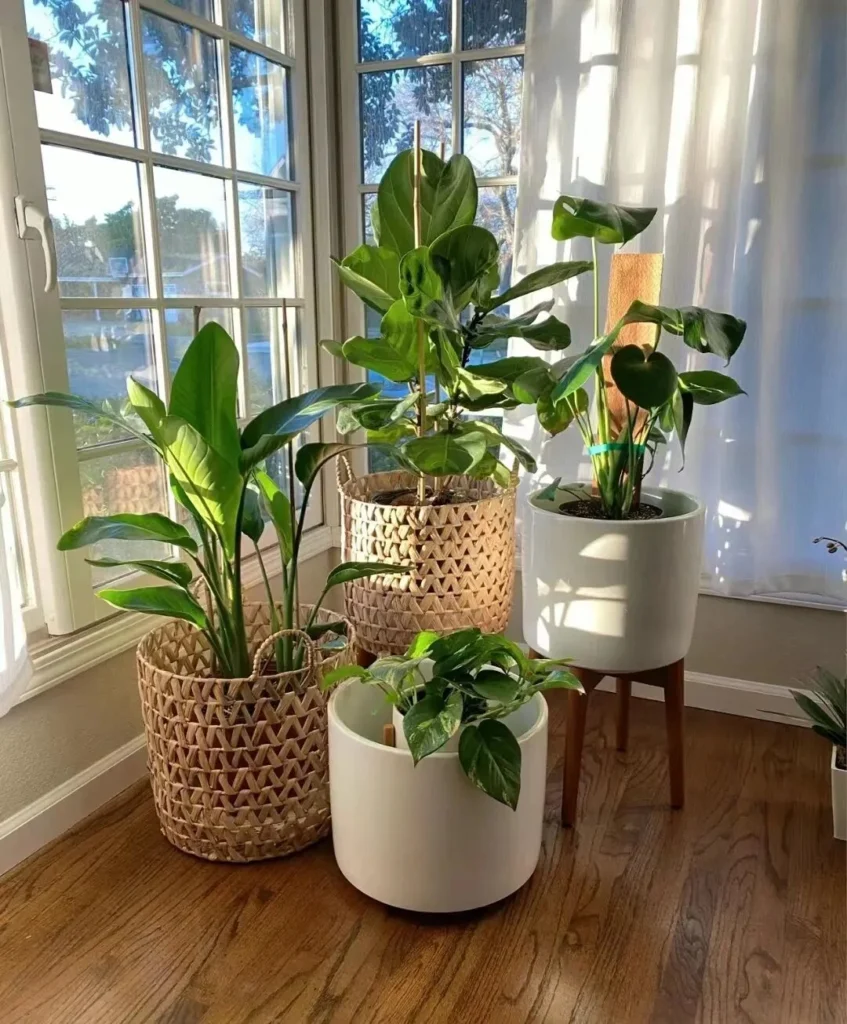
6. Cover Pots
These include woven baskets, fabric bags, kraft paper bags, and bamboo baskets.
- Pros: Highly decorative, wide variety, and versatile for styling.
7. Other Pot Materials
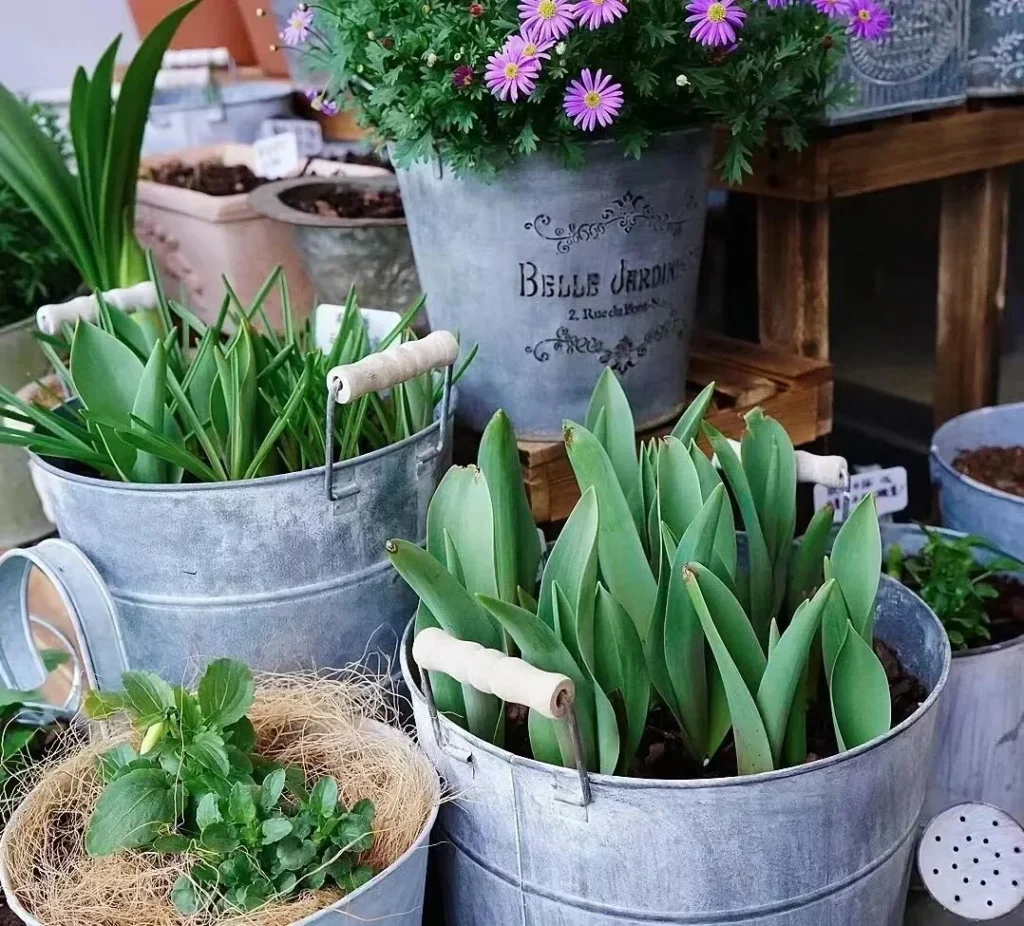
Other options include glass, biodegradable (rice husk), wood, stone, and metal pots. Metal pots, for example, are colorful and varied but prone to rusting, lack breathability, absorb heat in summer, and can corrode as soil acidity changes. They are best used only as cover pots.
Summary and Tips for Beginners
For beginners, plastic or red terracotta pots are highly recommended due to their good breathability, which reduces the risk of root rot. Experienced gardeners can manage any pot type. Remember that well-draining pots require more frequent watering, so match your plant choice and watering schedule to the pot’s characteristics.
Always ensure your plant pots have drainage holes at the bottom; those without are only suitable as cover pots. When using less breathable pots, add a layer of ceramsite at the bottom and use loose, well-draining soil. Do not choose a pot that is too large for your plant; select an appropriate size and upgrade only when the roots have filled the current pot.
The beginner pot guide is useful because it explains size, drainage, and material together instead of treating them separately.
The guide is useful because it explains why some attractive succulents fail indoors before suggesting easier options.
The beginner pot guide is useful because it explains size, drainage, and material together instead of treating them separately.
The beginner pot guide is useful because it explains size, drainage, and material together instead of treating them separately.
The beginner pot guide is useful because it explains size, drainage, and material together instead of treating them separately.
The beginner pot guide is useful because it explains size, drainage, and material together instead of treating them separately.
Great breakdown of terracotta pots.
The pot size advice is practical, especially the point about avoiding oversized containers for small root systems.
The beginner pot guide is useful because it explains size, drainage, and material together instead of treating them separately.
Very helpful guide.
The tip about drainage holes is crucial.
I never knew the color of clay pots indicates soil moisture. Thanks for sharing!