How to Choose the Best Types of Plant Pots for Your Plants
 AbodePro Tools
Selecting the right container is crucial when growing plants. A suitable pot helps maintain proper soil breathability and drainage, which encourages healthy root development and keeps your plants thriving.
With so many types of plant pots available in various shapes and colors, it is easy to buy one simply because it looks beautiful. However, different materials serve different purposes and directly impact plant health. Understanding the characteristics of each material will help you find the perfect home for your greenery.
Plastic Pots
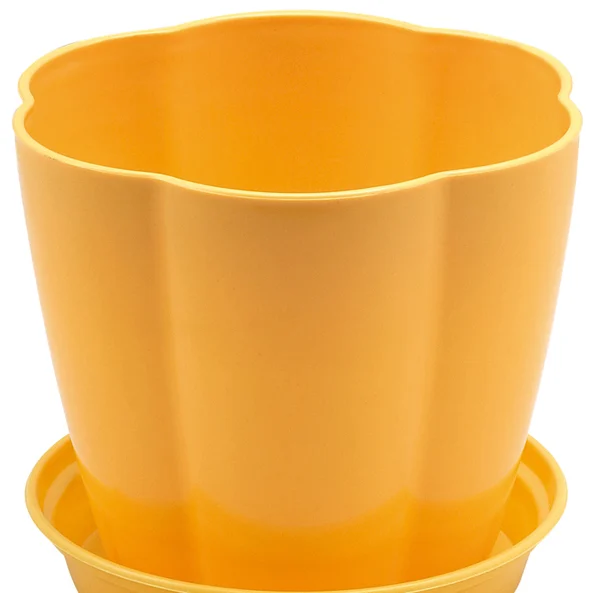
Plastic containers are highly affordable, lightweight, and easy to move around the house or garden. However, they offer very poor breathability. If you use them, you must ensure they have plenty of drainage holes at the bottom.
These pots also have a shorter lifespan and tend to fade or crack after a couple of years of sun exposure. They are generally not recommended for plants with highly developed root systems that require ample oxygen.
Impruneta Terracotta Pots
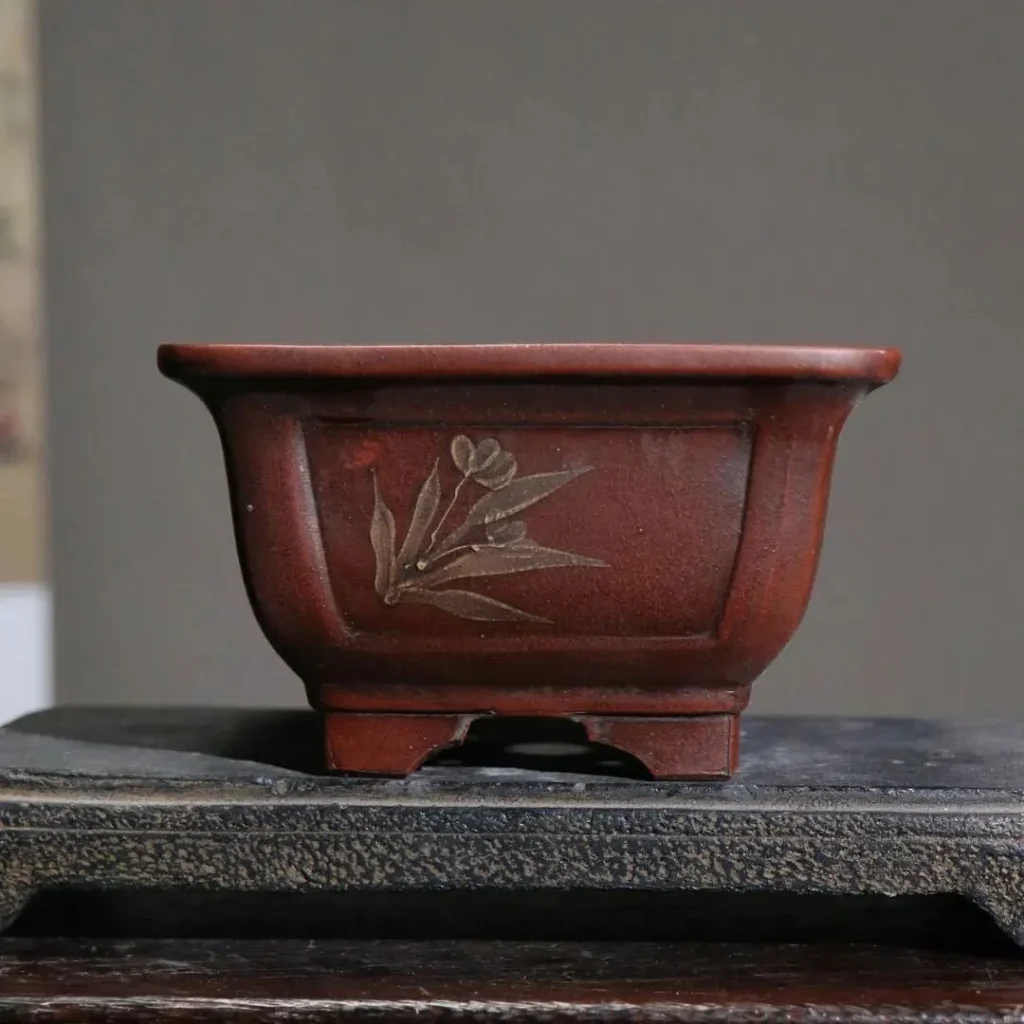
Impruneta terracotta, is a famous traditional material known for its excellent breathability and water permeability. These qualities make it an outstanding choice for cultivating premium and delicate flowers.
If you are growing species like Clivia, orchids, or magnolias, a Impruneta terracotta pot provides an ideal growing environment. While they are slightly more expensive, their elegant appearance perfectly complements classic home decor styles.
Mud Pots
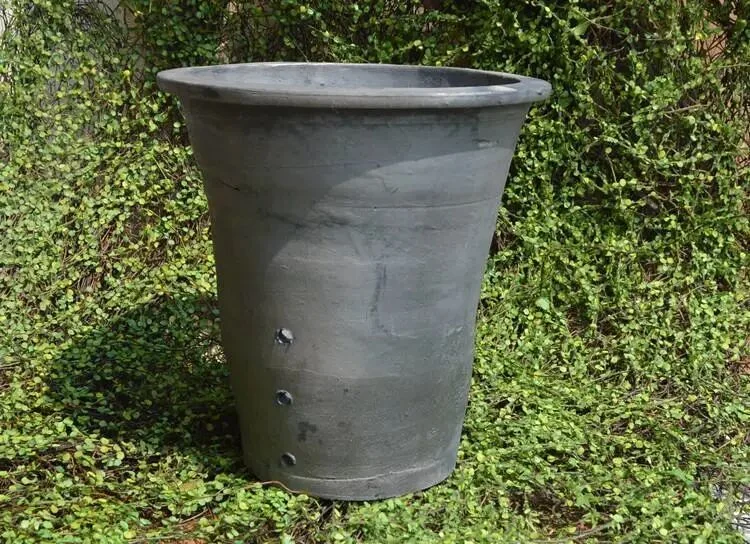
Traditional mud or unglazed clay pots are another common option. Because they are fired directly from raw earth, they have a rougher, more rustic exterior. This aesthetic makes them better suited for outdoor courtyards rather than formal indoor settings.
Despite their simple look, they offer incredible benefits for plant health. They provide exceptional breathability and water permeability while helping to retain essential soil nutrients.
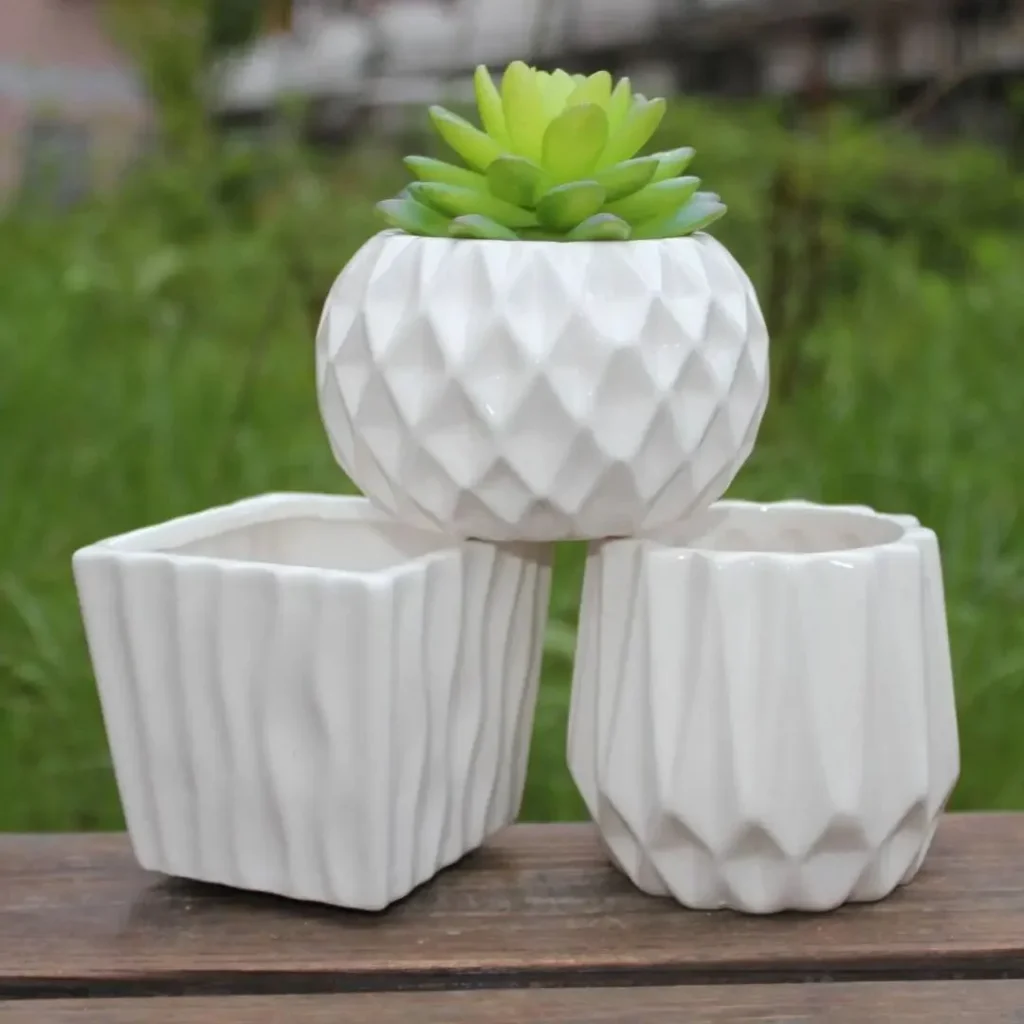
Ceramic Pots
Ceramic pots are essentially clay pots that have been coated with a layer of glaze before firing. This process gives them a smooth, attractive, and colorful surface that appeals to many indoor gardeners.
Unfortunately, this beautiful glaze seals the pores of the clay, significantly reducing the overall breathability of the container. Therefore, they are not the best choice for robust plants with thick, extensive root systems that are prone to rotting in damp conditions.
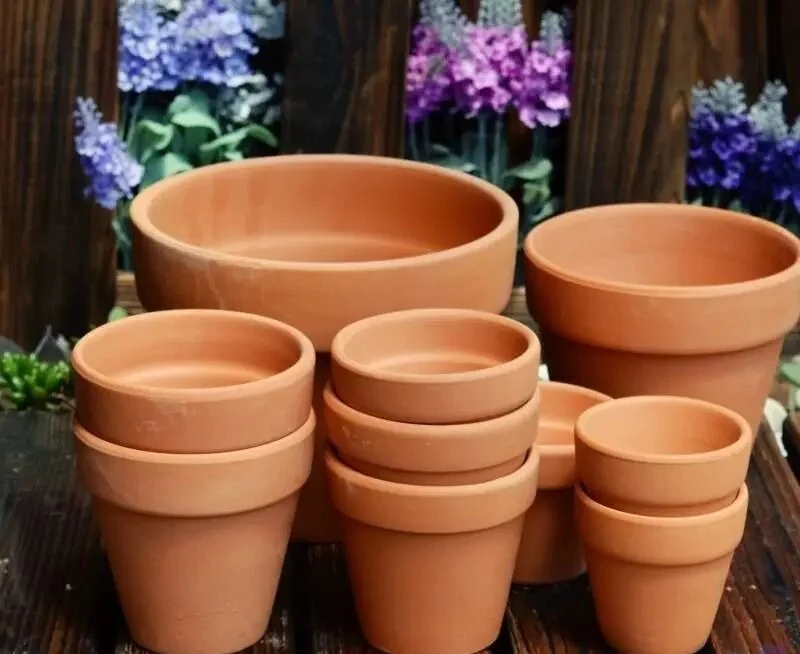
Terracotta Pots
Terracotta pots are made from fired clay but are left completely unglazed. While their natural reddish-brown color might seem a bit monotonous compared to modern designs, their functional benefits are outstanding.
Because they lack a glazed barrier, terracotta containers offer far better breathability and drainage than standard ceramic pots, making them a favorite among experienced gardeners.
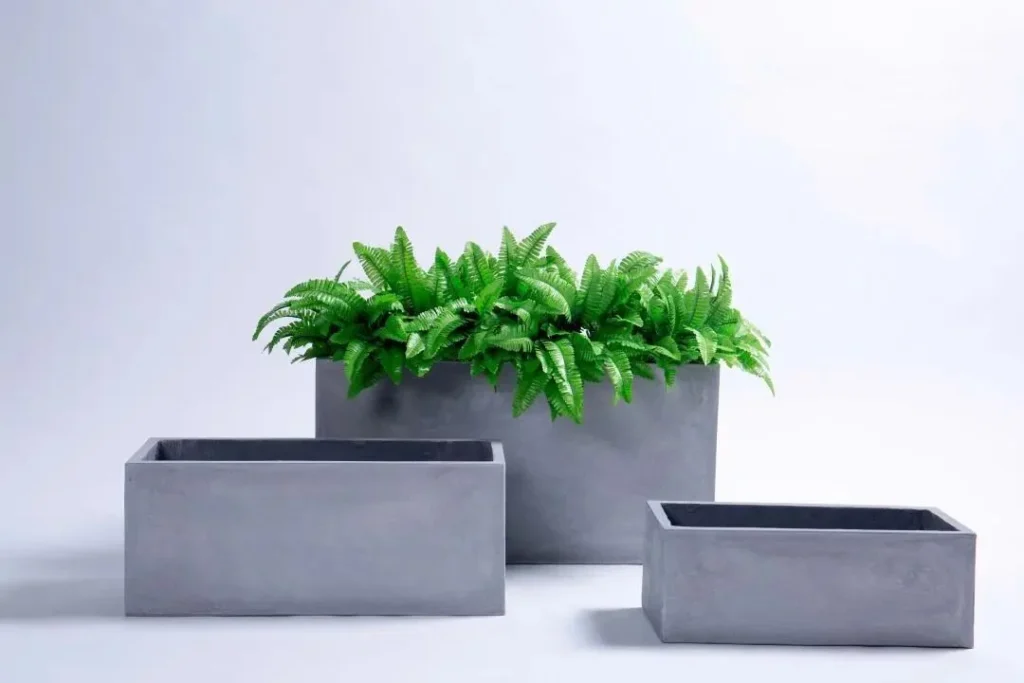
Concrete Pots
Concrete containers have become increasingly popular in modern home decor due to their minimalist, industrial aesthetic. However, concrete naturally has very poor breathability.
If you choose to plant in concrete, you must create a substantial drainage layer at the bottom using gravel or expanded clay pebbles. This crucial step prevents waterlogging and protects your plants from severe root rot.
Understanding the strengths and weaknesses of these different materials is the first step to successful gardening.
Always consider both the specific moisture requirements of your plants and the functional characteristics of the container before making your final selection.
Terracotta pots are definitely my favorite.
The pot material breakdown is practical, especially the point that airflow and drainage matter more than appearance alone.
I didn't realize ceramic pots had such poor breathability. Thanks for the tips!
The pot-selection guide is useful because it separates drainage, depth, and material choices before aesthetics.
The pot comparison is helpful for matching materials and depth to different plant habits, especially when drainage is the main concern.
The pot comparison is helpful for matching materials and depth to different plant habits, especially when drainage is the main concern.
The pot comparison is useful for matching material to root needs, especially when choosing between terracotta, ceramic, and drainage trays.