
Succulent Summer Care: Essential Tips to Save Your Plants
 AbodePro Tools
Rising temperatures often bring panic to succulent growers. You might notice your plants flattening out, leaves suddenly turning watery and dropping, or previous summer losses haunting you. Summer survival for these plants relies on scientific care rather than just hoping for the best. By adjusting your routine, your plants will not only survive the heat but thrive when autumn arrives.
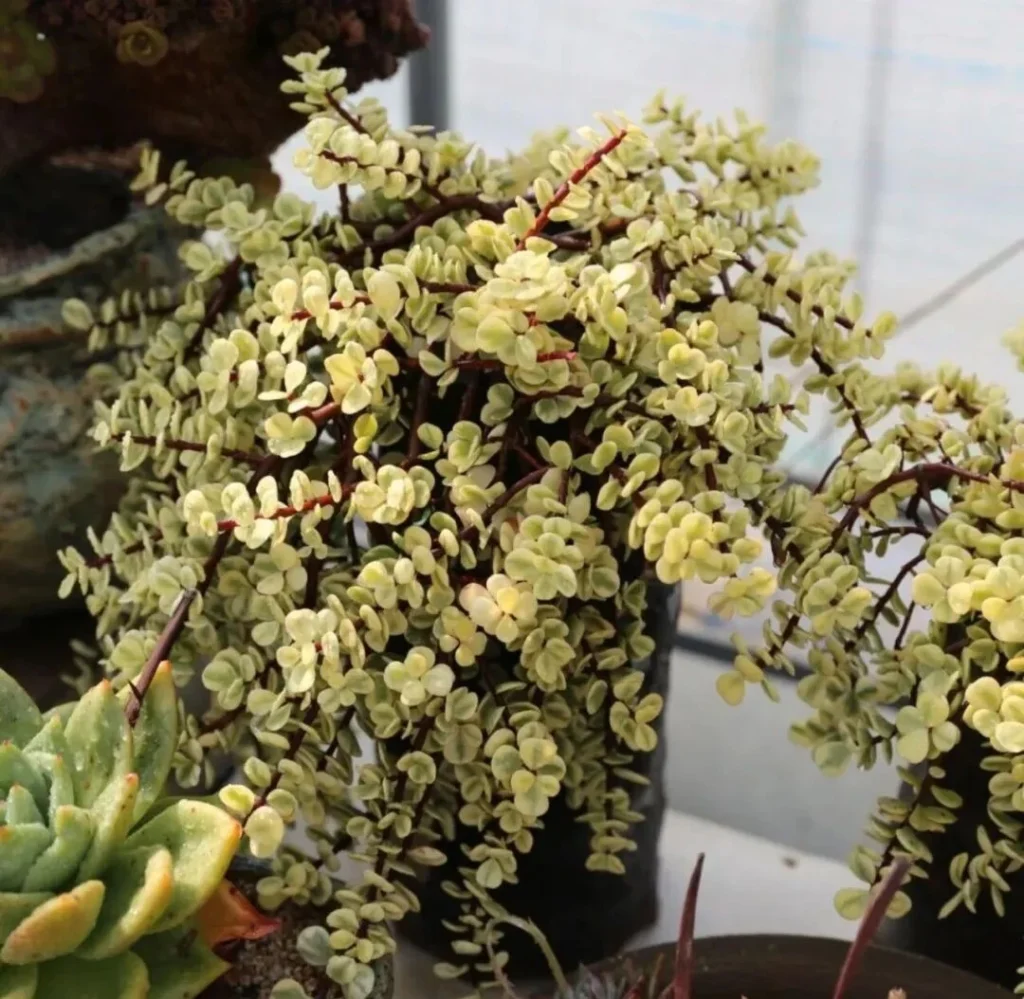
Recognize the Dormancy Signals
When temperatures consistently exceed 90°F (32°C), most succulents enter a state of dormancy or semi-dormancy. They communicate this shift through specific physical changes. You must switch from a growth-promoting routine to a survival mode once you spot these signs.
- Leaves closing tightly inward or flattening outward completely.
- The center growth point showing no new leaves for an extended period.
- Vibrant colors fading back to a basic green shade.
- Bottom leaves gradually shriveling and drying up due to normal metabolism.
Five Essential Care Rules
Light: Shade During Peak Hours
Protect your plants from intense sunlight between 10 AM and 4 PM. Use a shade cloth with a 50% to 70% shading rate, or place them behind a sheer curtain indoors. Shade-loving varieties like Haworthia only need mild morning or evening light. Never block the light entirely, as this causes weak, stretched growth.
Watering: Less is More
Improper watering is the leading cause of summer succulent death. Water only when the pot feels noticeably lighter and the bottom leaves slightly wrinkle. During dormancy, apply a small amount of water along the edge of the pot every 15 to 20 days. Always water in the evening or at night to avoid midday heat, and stop watering completely during rainy days.
Ventilation: The Lifeline
The combination of high heat, high humidity, and poor airflow is fatal. For outdoor plants, choose an open area and leave a 2 to 4-inch gap between pots. Indoors, open windows for at least two hours daily to create a cross-breeze, or use a small fan. If it rains, immediately empty the saucer and use a fan to dry the soil surface.
Pest and Disease Control
Summer is the peak season for pests. Regularly remove dried bottom leaves, which often harbor fungal spores and insect eggs. Treat scale insects by wiping them with an alcohol-soaked cotton swab. If you spot black rot or watery leaves, immediately remove the affected parts, trim the stem, let the wound dry, and replant.
Stop Fertilizing and Repotting
Halt all fertilizer applications during the summer to prevent root burn. Keep the plants in their designated spots to minimize stress. Avoid repotting or dividing plants, as high temperatures make it difficult for wounds to heal, increasing the risk of infection.
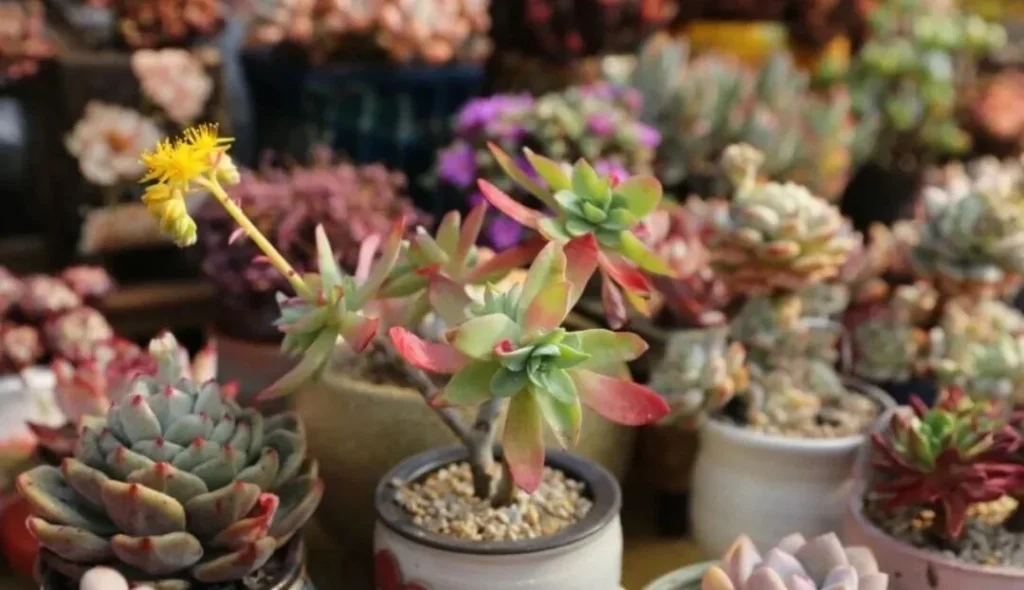
Five Fatal Mistakes to Avoid
Many beginners lose their plants because they try to do too much. Avoid these common pitfalls to ensure your succulents survive the heat.
- Daily misting: Water pooling in the center of the leaves combined with heat causes rot. Instead, mist the area around the pots to increase humidity.
- Complete water withholding: Prolonged drought dries out the root system, making autumn recovery difficult. Provide light watering to keep the roots alive.
- Watering after rain: Rainwater already moistens the soil. Adding more water suffocates the roots.
- Summer repotting: Wounds struggle to heal in the heat and easily succumb to black rot. Wait until autumn to repot.
- Unprotected outdoor rain: Hot, humid rain leads to waterlogged soil and center rot. Always provide a rain cover.
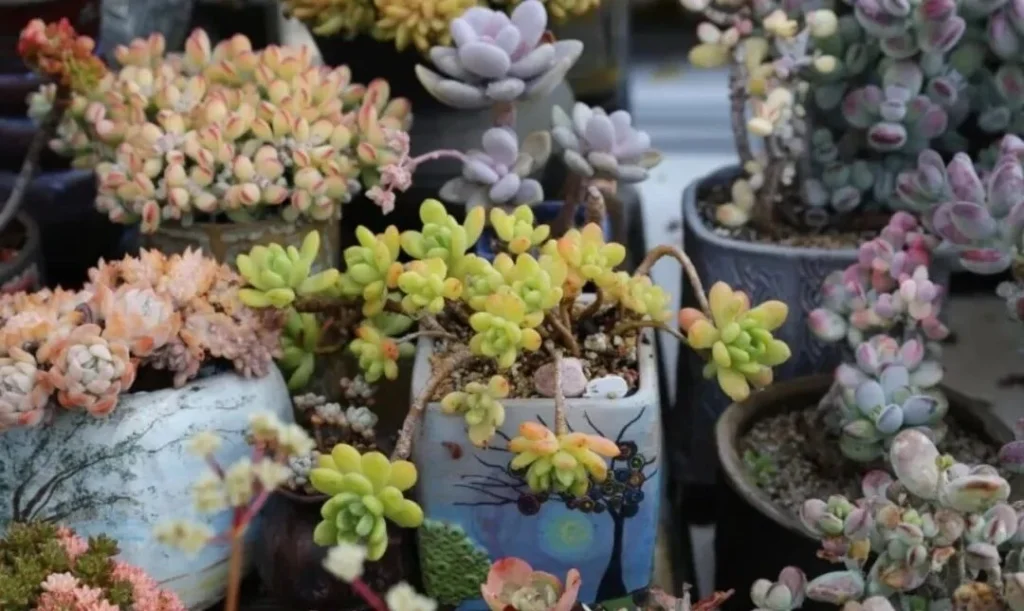
Emergency Treatment Guide
Treating Watery Leaves
Immediately remove all translucent, watery leaves and move the plant to a well-ventilated area with bright, indirect light. Strictly withhold water until the soil is completely dry. Discard the affected leaves to prevent spreading.
Handling Black Rot
Cut the stem about an inch above the healthy tissue. Apply a fungicide powder to the wound and let it air dry for three to five days before replanting. Always sterilize your cutting tools with alcohol to prevent cross-contamination.
Managing Sunburn
Relocate the plant to a shaded area with indirect light. Trim away severely burned leaves and wait for new growth. Do not water immediately, as the stressed root system needs time to recover.
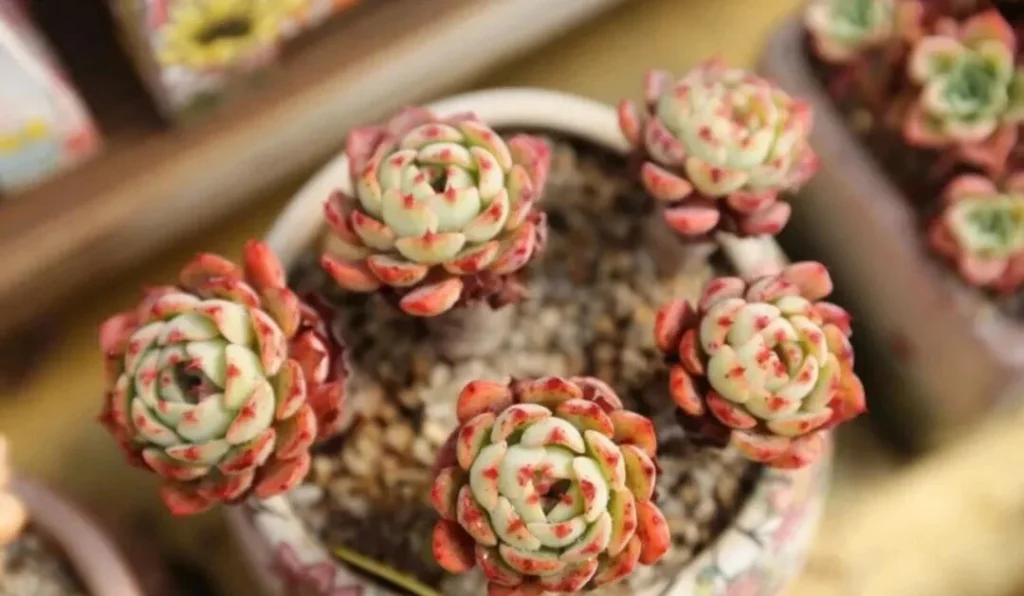
Final Summer Care Principles
Successful succulent summer care comes down to a few simple rules: control water, provide shade, ensure strong ventilation, avoid unnecessary handling, and stop fertilizing. Summer is a resting period for these plants. By doing less, you protect their health and set them up for a beautiful autumn display.
I just bought twelve succulents yesterday, so we will see if I can keep them alive. I failed when I tried growing them before
After reading this, I realize you really should not overcare for succulents! Letting them grow naturally is best. Lesson learned: I bought a Dollar Plant and treated it like a treasure, fussing over it daily until it died! Another one looked like it was dying so I just left it alone, and it is still stubbornly alive and doing quite well.
Great watering tips!
The summer care tips feel grounded, especially watching airflow and afternoon heat together instead of only cutting back water.
The summer care advice is practical, especially the reminder that heat stress can change watering needs quickly.
Look what my care turned them into.
Learned a lot! I got over a dozen succulents again this year, and they always die in summer. Hope I can keep them alive this time.
They look quite nice right now and have completely filled the pots
My Bear's Paw is dead, Baby Toes are gone, Jelly Beans look droopy, Haworthia is severely stretched, and the Moonstones are near death.
From a few pots to dozens and then hundreds, I just propagate more pots out of fear they will die.
Bookmarked. Thanks for sharing!
The explanation is straightforward, and the way the pieces are arranged keeps the focus where it should be.
The summer care advice is practical, especially the reminder to balance stronger light with airflow and slower watering changes.
The summer care advice is practical, especially the reminder to balance stronger light with airflow and slower watering changes.
The summer care advice is practical, especially the reminder to balance stronger light with airflow and slower watering changes.
The summer care tips feel grounded, especially watching airflow and afternoon heat together instead of only cutting back water.
Setting up shade cloths this year and getting ready for outdoor summer survival.
The emergency treatment guide is very clear.
Better dry than overly wet, and good ventilation is the key
How should we water during the rainy May weather in the south? How do you tell if watering is needed by inserting a stick?
They can still grow beautifully in high temperatures. Mine are kept outdoors without grow lights.
Explaining the importance of ventilation for succulent summer care makes total sense.
Bookmarked, thank you!
It has been raining constantly lately. I tried moving them under the terrace to avoid the rain earlier, but many ended up with watery leaves, black rot, and leaf drop.
I see others leave theirs outside in the harsh sun and rain without them dying, yet mine do not grow well despite careful maintenance.