
How to Water Succulents for Plump and Healthy Leaves
 AbodePro Tools
Mastering the Art of Watering Succulents
Succulents are compact and perfect for small spaces, making them a favorite for indoor plant enthusiasts. However, growing them indoors often leads to issues like root rot, black stems, or mushy leaves. These problems are almost always caused by improper watering habits. By understanding how to adjust your routine throughout the year, you can encourage plump leaves and a robust root system.
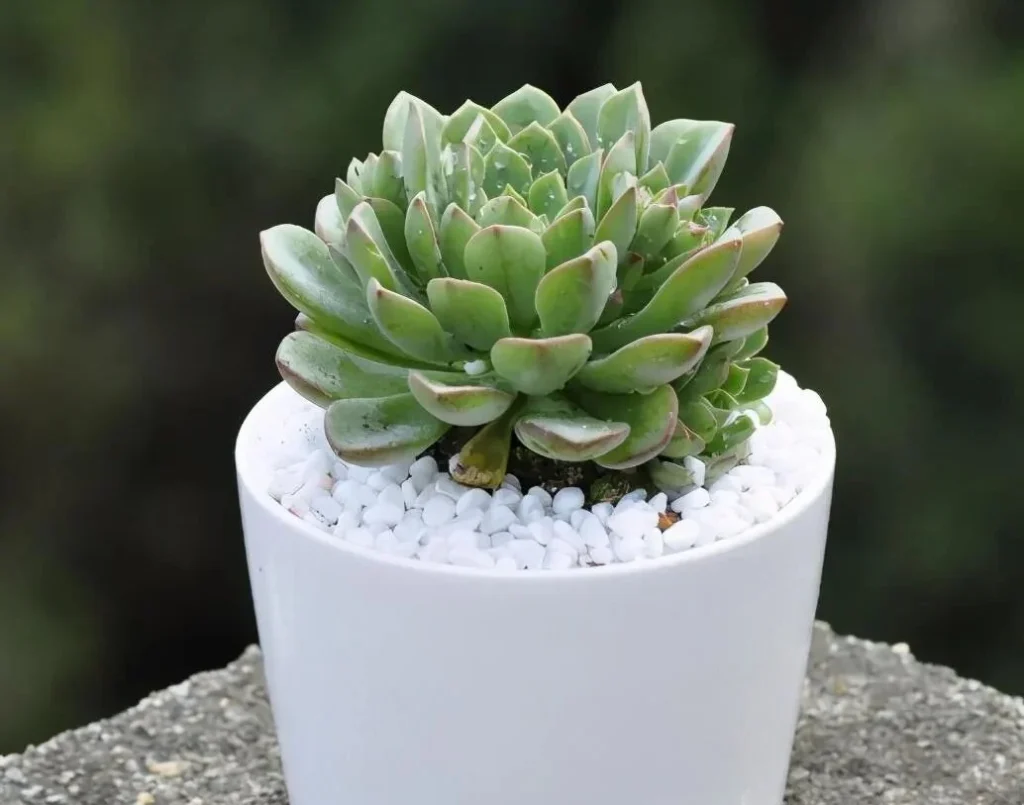
1. Summer: Withhold Water During Dormancy
When temperatures rise above 86°F (30°C), most succulents enter a state of dormancy and stop growing. If you have mature plants, it is best to stop watering completely during the hottest summer months. While a few bottom leaves might dry up and fall off, keeping the soil dry prevents fatal issues like black rot or stem decay. For smaller, younger plants that need a little moisture to survive, limit watering to just one or two times over the entire season.
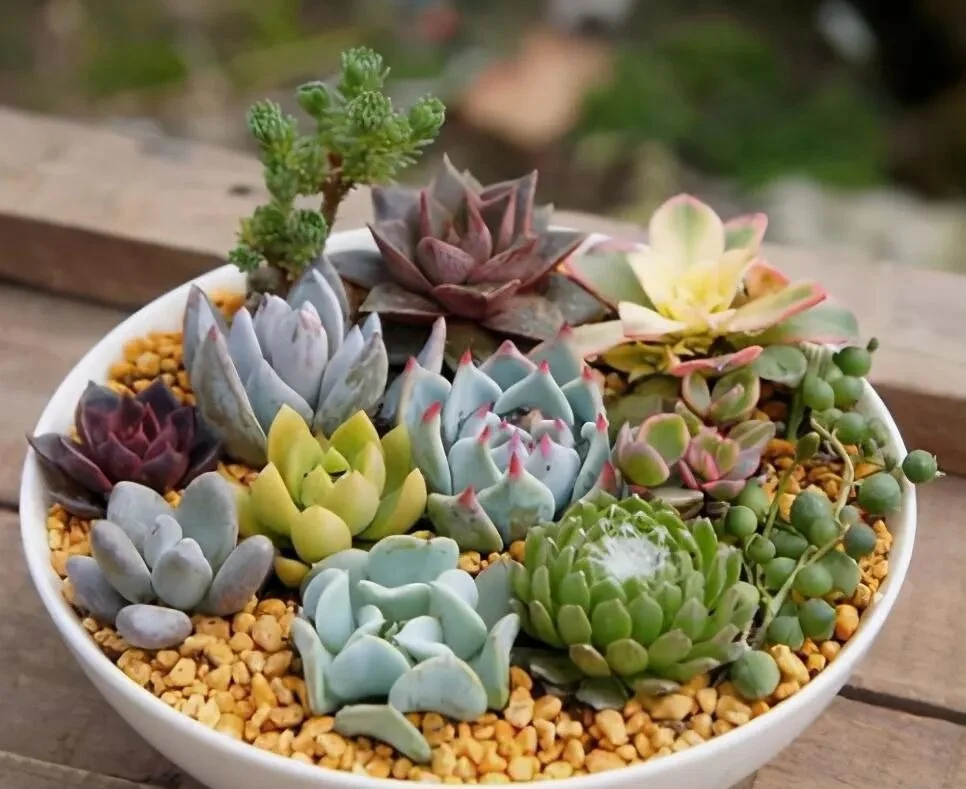
If you must water during summer, always do it in the evening when temperatures drop. Place the plant near a window or outdoors where good ventilation can quickly evaporate excess moisture from the soil surface. The cooler night air increases root activity, allowing the plant to absorb what it needs before the morning sun arrives. This method keeps the soil only slightly damp, preventing root rot.
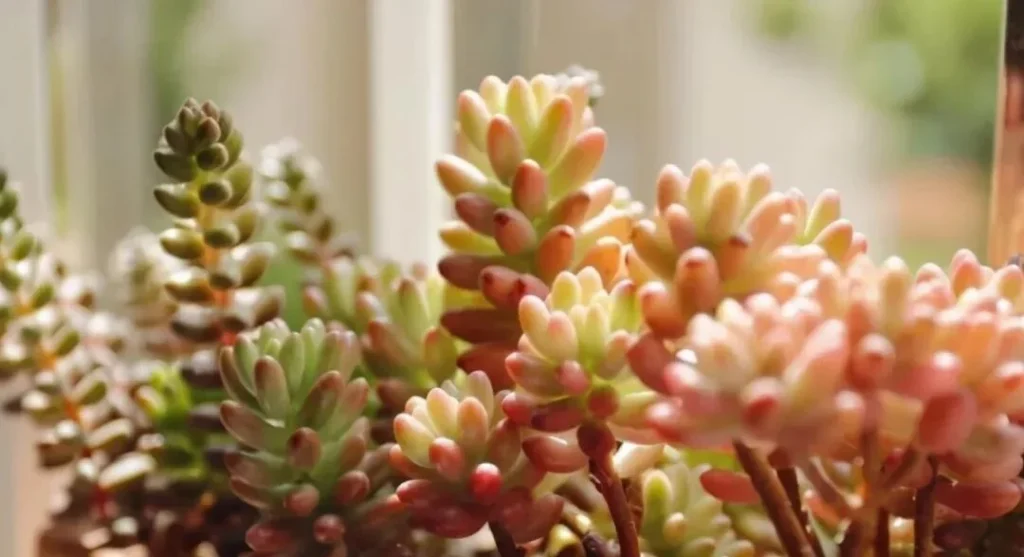
2. Winter: Strictly Control Moisture
Winter is often when succulents display their most vibrant colors. The combination of bright daytime sunlight and cooler night temperatures creates the perfect stress for beautiful foliage. Since most indoor environments stay above 41°F (5°C), your plants will remain safe but require strict water control to maintain their compact shape.
The key to winter watering is waiting until the plant shows visible signs of thirst. Allow the potting mix to dry out completely, and wait until the bottom leaves become slightly soft and wrinkled. Once you see these signs, water the plant thoroughly. The leaves will quickly absorb the moisture and plump up again. Repeating this cycle ensures the roots stay healthy without rotting.
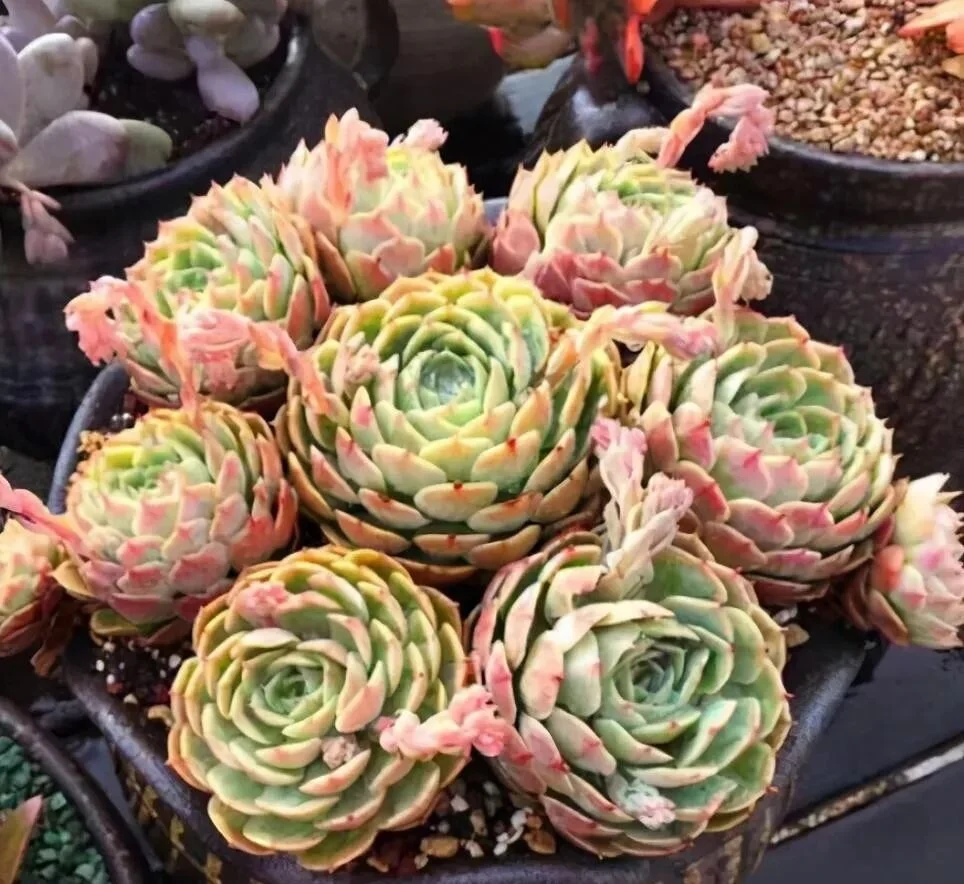
3. Spring and Fall: Water Thoroughly
Spring and autumn provide the ideal temperatures for succulent growth. With open windows providing fresh air and plenty of sunlight reaching indoors, you need to ensure your plants have enough water to thrive. During spring, consistent watering helps develop a strong root system that will sustain the plant through the harsh summer. In autumn, proper hydration helps the plant recover from summer dormancy.
During these active growing seasons, follow the “soak and dry” method. Wait until the soil is completely dry, then water it thoroughly until moisture drains from the bottom. This prevents the roots from drying out completely while avoiding the dangers of waterlogged soil.
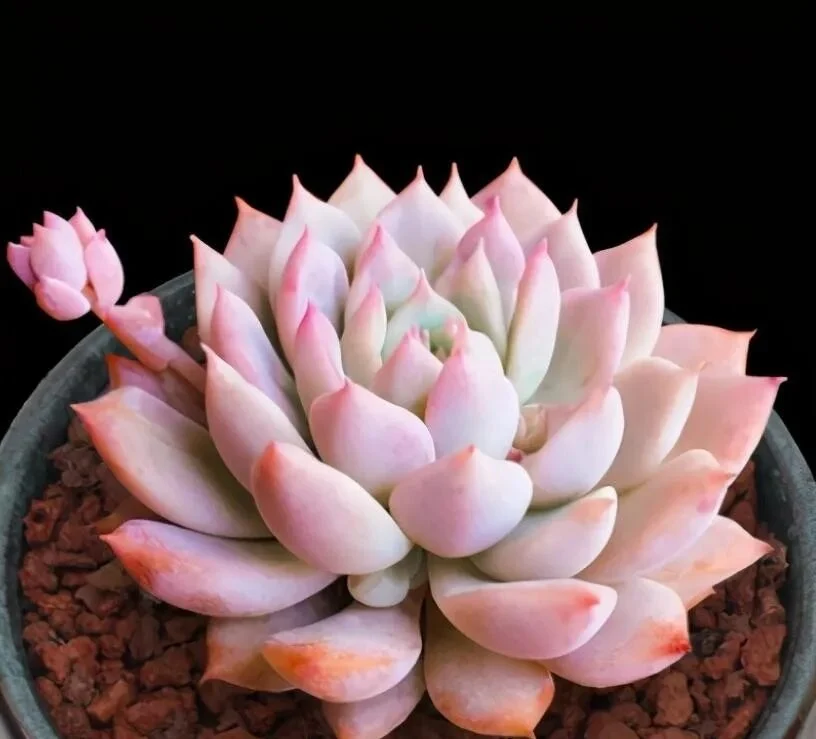
4. The Bottom Watering Technique
General watering advice varies depending on your specific soil mix and local climate. In warmer, drier areas, moisture evaporates faster, requiring more frequent watering. The most foolproof way to determine when to water is by observing the leaves. When a succulent is thirsty, its leaves will lose their plumpness, curl inward slightly, and develop visible wrinkles.
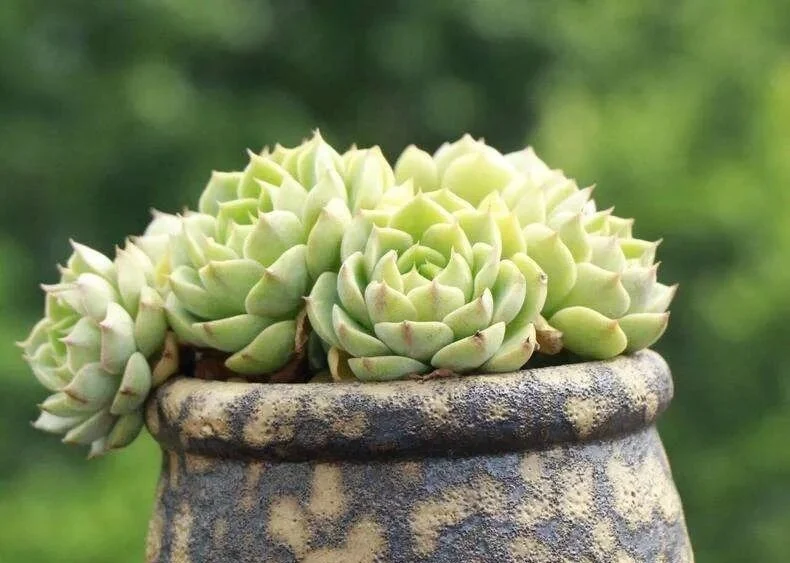
When you notice severely wrinkled leaves, the bottom watering method is highly effective. Fill a basin with water and place the entire pot inside, ensuring the water level reaches just below the rim of the pot. Let it soak for about five minutes until the soil is completely saturated from the bottom up. This technique ensures the roots get a deep drink, quickly restoring the wrinkled leaves to their healthy, chubby state while minimizing the risk of rot.
The bottom watering tip makes perfect sense.
The watering guide is practical because it connects plump leaves with drainage, season, and pot size instead of using a fixed weekly schedule.
The watering guide is helpful because it connects leaf firmness with potting mix and season, instead of using a fixed calendar.
The watering advice is practical because it focuses on leaf firmness and drainage instead of a fixed calendar.
I never realized strict water control in winter helps maintain their compact shape.
The guidance works because it focuses on how the mix actually dries instead of just listing rules.
The watering guide is practical because it connects plump leaves with drainage, season, and pot size instead of using a fixed weekly schedule.
The watering advice is clear because it connects plump leaves with root health instead of just repeating a fixed schedule.
The soak-and-dry explanation is helpful because it connects watering to pot depth and leaf firmness instead of calendar dates.
The watering guide is practical because it connects plump leaves with drainage, season, and pot size instead of using a fixed weekly schedule.
The watering guide is practical because it connects plump leaves with drainage, season, and pot size instead of using a fixed weekly schedule.
The watering guide is practical because it connects plump leaves with drainage, season, and pot size instead of using a fixed weekly schedule.
The watering advice is clear because it ties leaf firmness to drainage and season instead of a fixed schedule.
The watering advice is clear because it connects plump leaves with root health instead of just repeating a fixed schedule.
Very clear guide.