
How to Stress Succulents: 4 Tips for Vibrant Colors
 AbodePro Tools
Many plant enthusiasts find succulents relatively easy to maintain, but achieving those tight rosettes and vibrant colors requires a specific approach. If your plants are struggling to survive or looking stretched and green, the issue often lies in being too gentle. To bring out their best features, you need to learn how to stress succulents.
Because these plants originate from arid environments, their thick leaves are designed to store water and nutrients. By intentionally withholding resources—a process known as stressing—you mimic their natural habitat. This controlled tough love encourages compact growth and stunning color transformations.
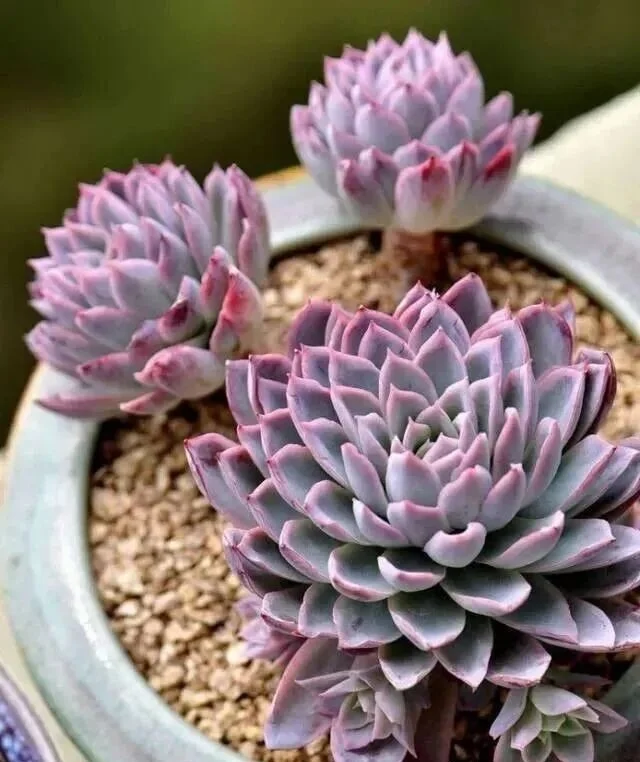
1. Use a Gritty Soil Mix
With the exception of a few varieties, most succulents have fleshy leaves and delicate, shallow root systems. To keep them healthy, you must maximize soil drainage and airflow. Mixing standard potting soil with coarse materials like pumice, volcanic rock, or coarse sand creates the necessary air pockets.
For a standard indoor environment, aim for a mix that is 50 to 70 percent grit. This highly porous substrate prevents water from sitting around the roots. It also limits excess nutrients, which actually helps the plant maintain a tight, colorful form rather than growing rapidly and losing its shape.
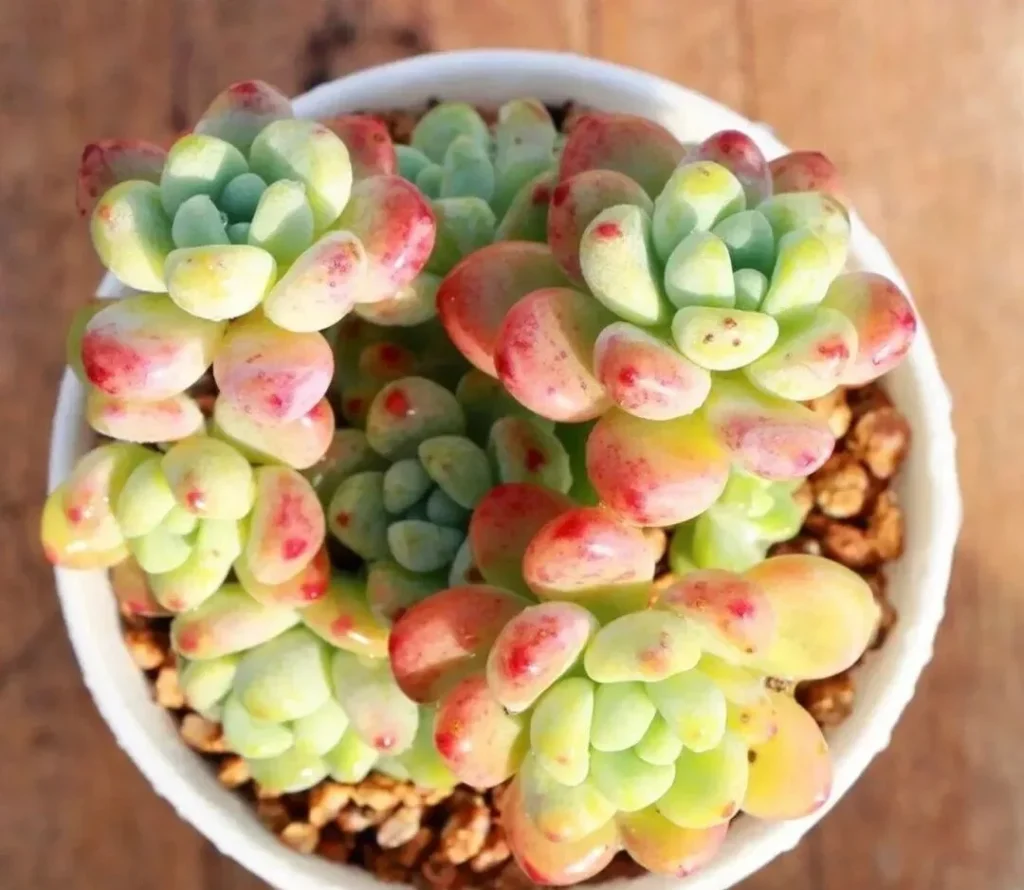
2. Choose Smaller Pots
Because succulents rely on fine, fibrous roots rather than deep taproots, they perform much better in compact containers. A smaller pot holds less soil, which means it dries out much faster after watering. This rapid wet-to-dry cycle is crucial for preventing root rot.
If you place a small plant in a massive pot, the excess soil retains moisture for too long, suffocating the roots. Additionally, always avoid heavy, compacted garden soil. High moisture retention is the leading cause of black stem rot and fungal issues in these drought-tolerant plants.
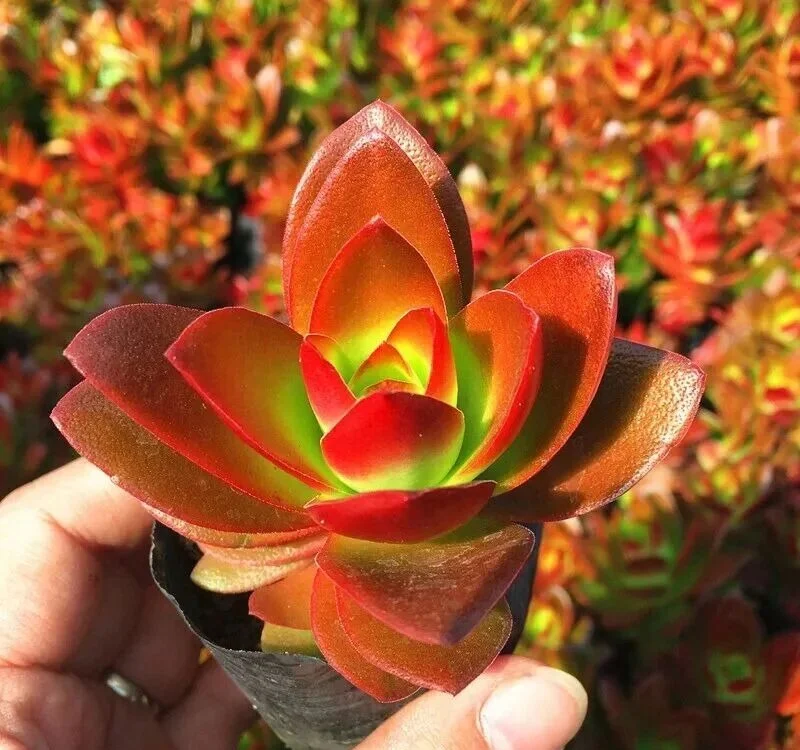
3. Maximize Sunlight Exposure
Sunlight is a primary factor in how to stress succulents successfully. If your plants are growing tall, stretching out, and losing their compact shape, they are likely not receiving enough light. Adequate sun exposure is what triggers those beautiful red, pink, and purple hues.
During the active growing seasons, provide as much direct sunlight as possible. However, be mindful during intense summer heat waves. Many varieties enter a state of dormancy in extreme heat and will require partial shade to prevent sunburn. Balancing intense light with seasonal protection yields the most beautiful results.
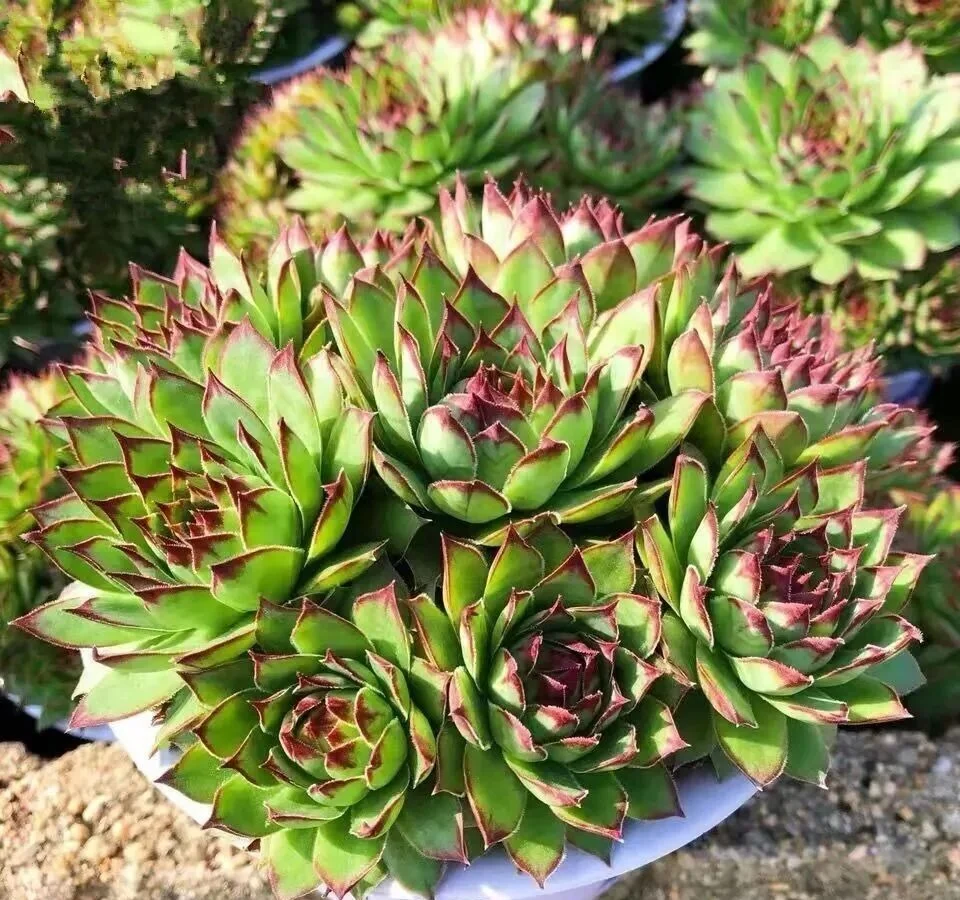
4. Strictly Control Watering
Watering habits dictate the survival and appearance of your plants. Never water during the hottest part of the day or when the plant is sitting in direct, intense sunlight. Instead, wait for the cooler hours of the early morning or late evening, and only water when the soil is completely dry.
The safest method is to observe the plant itself. Wait until the bottom leaves feel slightly soft or look slightly wrinkled before reaching for the watering can. You can even wait until the lowest leaves dry up and fall off naturally. This strict watering routine guarantees you will not overwater and forces the plant to display its most vibrant stress colors.
I always wondered how to stress succulents properly.
The gradual stress approach makes sense because it focuses on light, temperature, and watering changes without pushing the plant too quickly.
Do they need shade during the summer heat?
Waiting for the bottom leaves to wrinkle is a great trick for vibrant colors.
Hard to withhold water.
The timing advice makes sense because it treats color development as a balance of light, temperature, and recovery.
The color-stress tips make sense because they tie light, temperature, and timing together instead of promising quick color changes.
Great gritty soil tip!
The tips stay realistic, and the examples keep the color changes from sounding too aggressive.
The stress tips are helpful because they separate healthy color development from pushing a weak plant too far.