
How to Fix Shrinking Succulents: Root Pruning Guide
 AbodePro Tools
Many indoor gardeners buy plump, healthy succulents only to watch them slowly turn into shriveled, thin plants over a few months.
If watering does not fix the issue, the problem usually lies beneath the soil. When a succulent shrinks without a change in its environment, the root system is usually to blame.
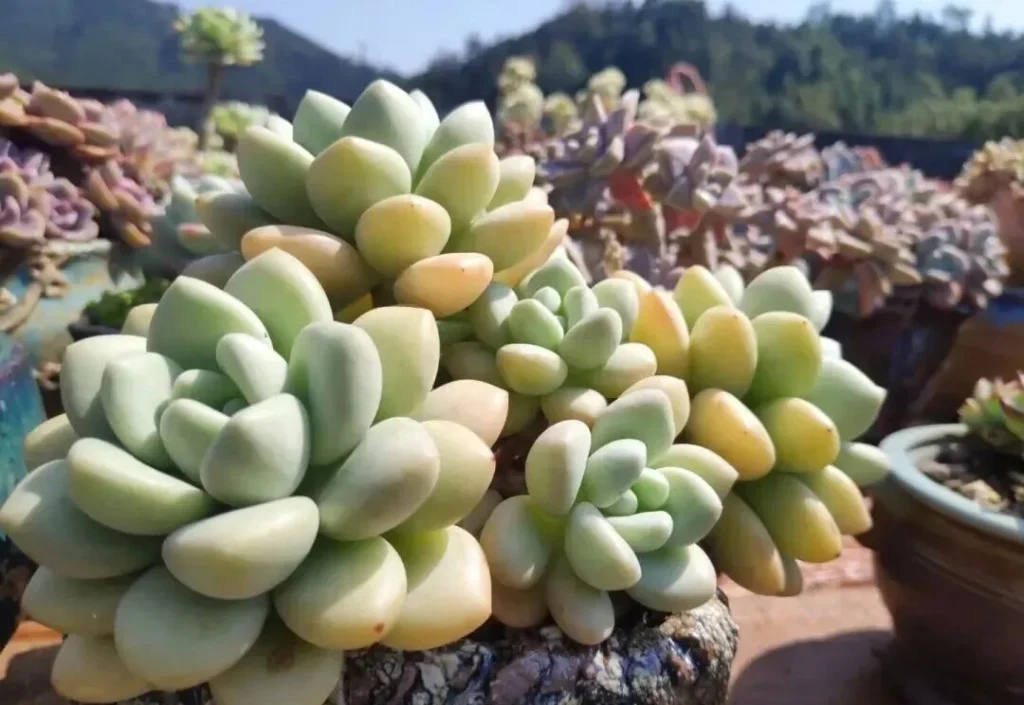
Why Are Your Succulents Shrinking?
Leaf shrinkage is a distress signal. Aside from simple underwatering, there are three hidden factors that prevent your plant from absorbing moisture.
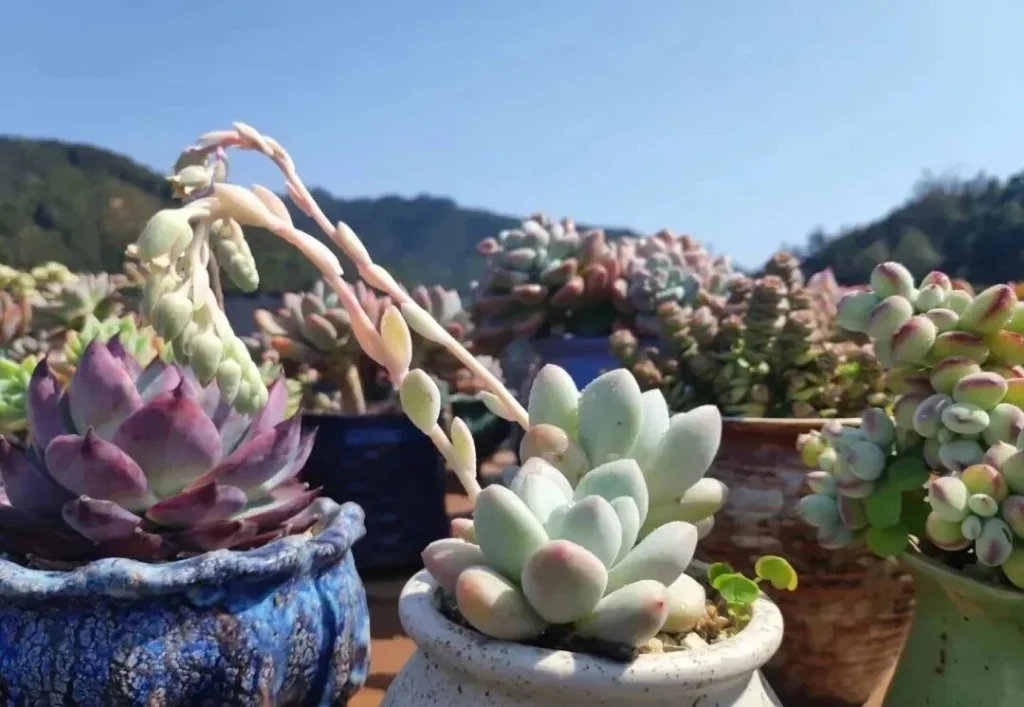
1. The Fake Drainage Soil Trap
Nursery soil often becomes heavily compacted once you bring the plant home. When you water it, the moisture simply runs down the sides of the pot, leaving the center root ball completely dry. The plant is forced to consume its own leaves to survive.
2. Poor Pot Breathability
While glazed ceramic pots look beautiful, they often lack proper airflow. This causes the roots to suffer from a lack of oxygen, leading to root rot and a complete loss of water absorption capabilities.
3. Light and Nutrient Imbalance
Exposing a recently repotted succulent to harsh sunlight causes it to lose moisture faster than its roots can absorb it. Alternatively, leaving a plant in the same depleted soil for years leaves it without the energy to grow new, plump leaves.
The most effective solution to these issues is succulent root pruning and repotting.
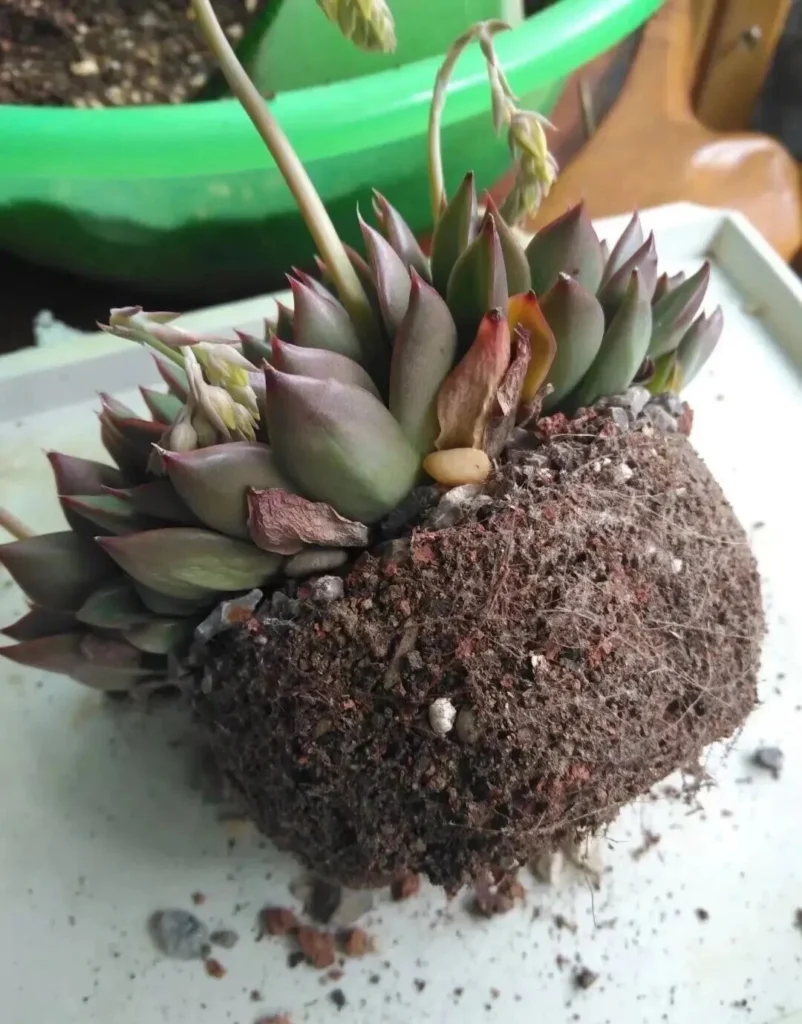
Nursery roots are adapted to greenhouse conditions. To help your plant thrive in a home environment, you must trim the old roots to encourage a more efficient, compact root system.
Step-by-Step Succulent Root Pruning Guide
Do not be afraid to cut the roots. A proper trim will help your succulent plump up significantly within a week.
- Step 1: Unpotting and Cleaning. Stop watering 3 to 5 days before repotting. Gently remove the plant and wash away all the old soil so you can clearly identify dead or rotting roots.
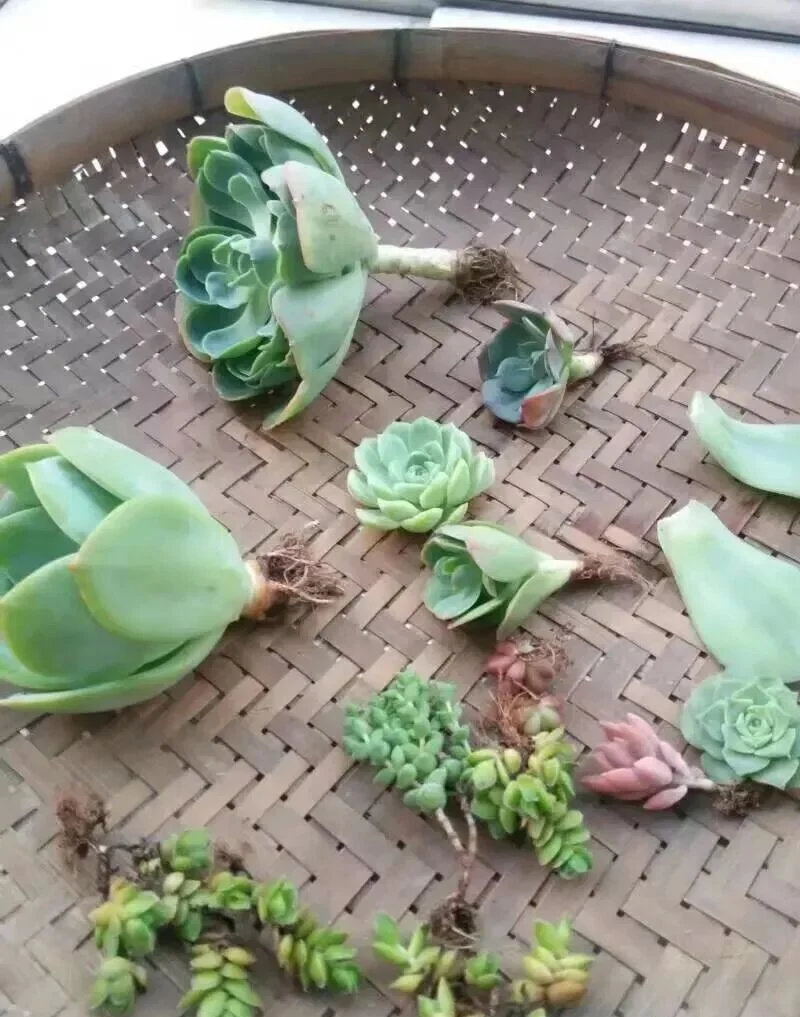
- Step 2: Trimming the Roots. Cut away any dry, black, or brittle roots. Keep the remaining healthy roots trimmed to a length roughly equal to the radius of the succulent rosette.
- Step 3: Treating the Wounds. Let the plant rest in a cool, shaded, and well-ventilated area for 1 to 3 days until the cuts dry and turn white. You can also apply a fungicide powder to prevent infection.
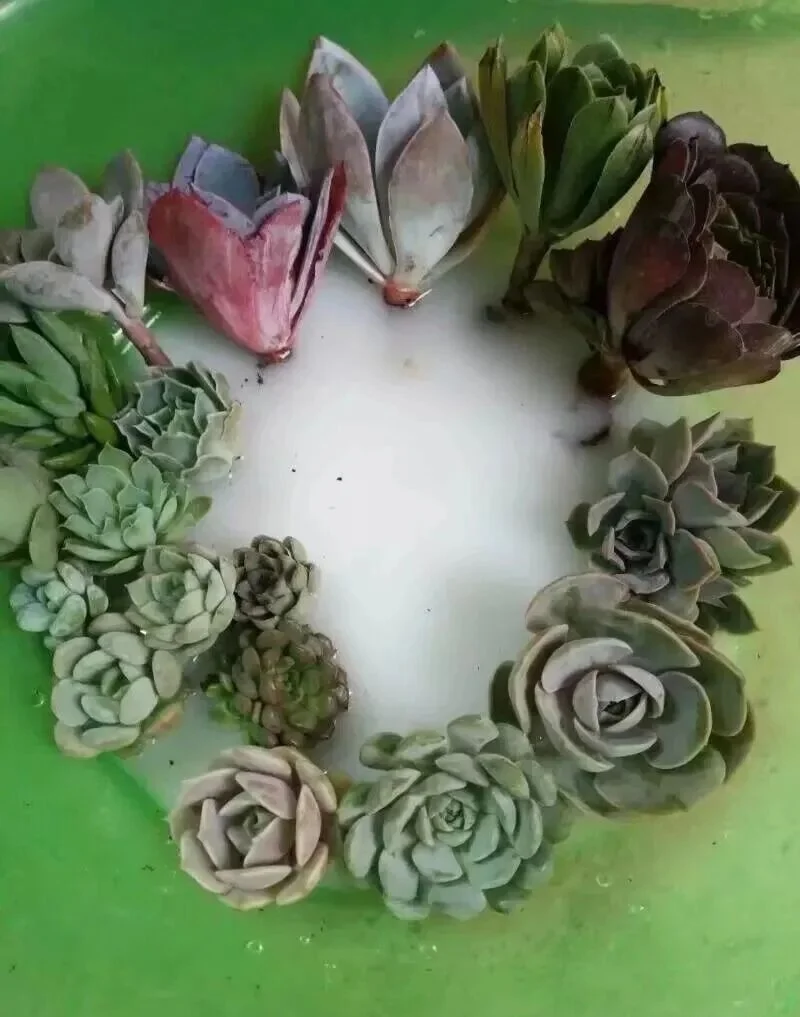
- Step 4: Repotting Gently. Plant the succulent in a slightly moist, gritty soil mix. Wait 3 to 5 days before watering to allow the roots to settle, and keep the plant out of direct sunlight.
4 Signs Your Succulent is Recovering
After root pruning, the new roots are extremely fragile. Instead of wiggling the plant to check for root growth, look for these four physical signs.
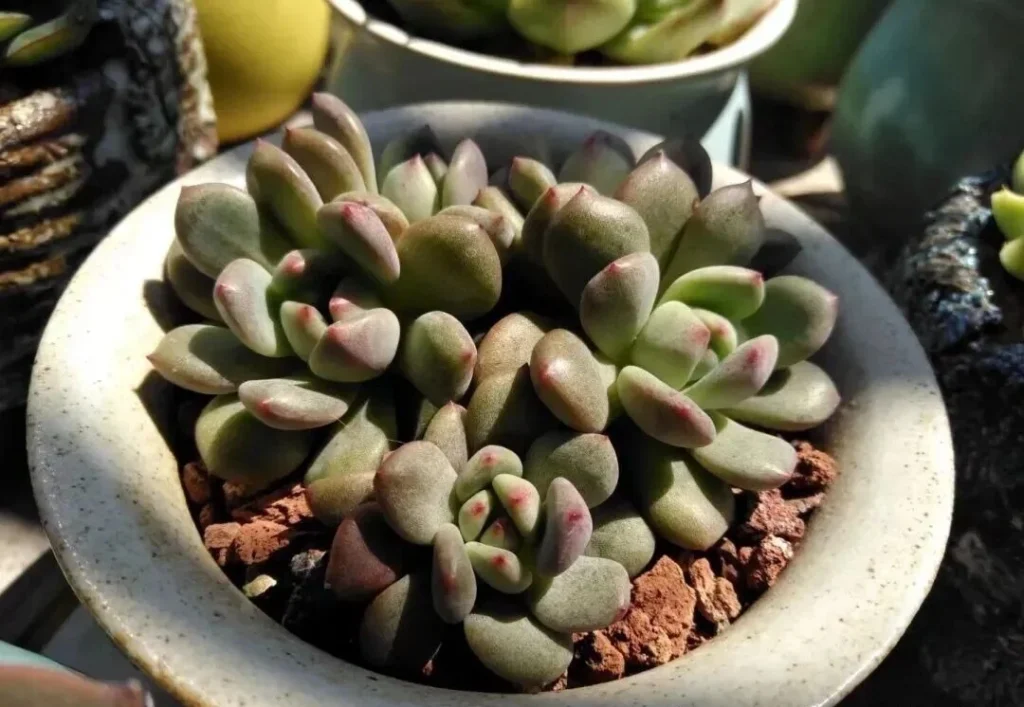
Sign 1: Firm Leaves
Leaves that were previously soft and wrinkled will become plump and firm again. If the bottom leaves feel solid rather than papery, the roots are successfully absorbing water.
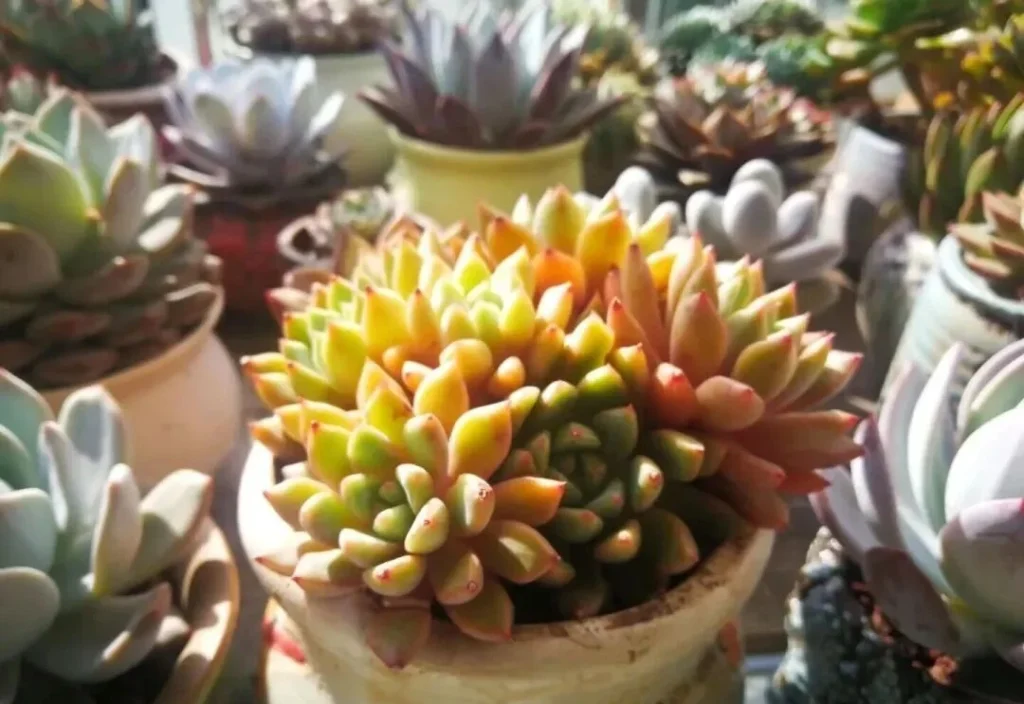
Sign 2: New Center Growth
The center growing point will turn a brighter, fresher green or yellow. As long as the center is growing, the consumption of older outer leaves is just normal metabolism.
Sign 3: Slower Leaf Consumption
It is normal for a succulent to consume its bottom leaves rapidly right after root pruning. Once this process slows down or stops, it means the plant is finally sustaining itself with new roots.
Sign 4: Root Resistance
If you gently nudge the stem with your finger, the plant should feel anchored to the soil with a slight resistance. If it wobbles freely like a loose toothpick, the roots have not yet grabbed the soil.
Final Thoughts on Succulent Care
Growing healthy succulents requires patience and observation. When the growing environment changes, the root system and your care routine must adapt accordingly.
Have you ever rescued a shrinking succulent? Share your recovery stories and tips in the comments below.
The explanation about glazed ceramic pots lacking proper airflow makes perfect sense to me.
The root inspection advice is useful because it separates normal leaf shrinkage from old compacted roots that need pruning before repotting.
The root-pruning steps are practical because they explain how to check whether shrinking leaves come from damaged roots or simply a longer dry period.
Practical methods.
I used to grow them too, but they all died. I just couldn't keep them alive.
Growing succulents is a journey of patience; you have to take it slowly. Thanks for sharing this planting knowledge.
Succulents grown by an expert are just better. Every single one is so plump.
Very accurate summary. I've experienced this with my succulents; they got smaller because I didn't prune the roots when I bought them. I've corrected it now, and they are growing great.
If you aren't ruthless with root pruning, the succulent won't be stable. Learned another trick.
I want to get thin but can't, while my succulents want to get plump but can't.
Mine basically shrink away over the summer, and I restock in the fall.
Wow, your plump ones look really beautiful.
So beautiful. I just bought ten of them yesterday too.
This is solid experience. I learned something new again.
There is so much to learn about growing succulents. I learned a lot.
Mine are tiny and have rotting leaves.
When you know how to care for them, succulents are just beautiful.
The troubleshooting steps are helpful because they make the root causes easier to compare.
The root pruning guide is clear about when shrinking leaves are a root problem rather than just underwatering.
The root inspection advice is useful because it separates normal leaf shrinkage from old compacted roots that need pruning before repotting.
The root inspection advice is useful because it separates normal leaf shrinkage from old compacted roots that need pruning before repotting.
The root inspection advice is useful because it separates normal leaf shrinkage from old compacted roots that need pruning before repotting.
The root inspection advice is useful because it separates normal leaf shrinkage from old compacted roots that need pruning before repotting.
The root pruning steps make sense, especially checking old roots before assuming the plant only needs more water.
Two of my pots aren't growing as well as last year. Looks like I need to repot and prune the roots too.
Growing succulents is a journey; you can't rush it or be lazy. It really is like that. I learned a lot.
My succulents just keep getting thinner, and eventually, all the leaves fall off.
If you aren't ruthless with root pruning, the succulent won't be stable. Brilliant.
My Romeo succulent is getting smaller and smaller under my care.
No wonder your succulents grow so well; you really put your heart into cultivating them. You are patient and attentive. The beautiful succulents aren't leggy, and their colors are gorgeous.
Just here to admire the plants.
Grow the roots first. Once the roots are strong, you won't have to worry about them not getting plump.
You really need patience to grow succulents well.
Looking at your succulents every day makes me tempted again, but caring for these little cuties takes so much effort. They are definitely healing to look at, but it's truly exhausting. They aren't plants for lazy people.
Checking for root resistance is a helpful tip.
Growing succulents is a journey. You can't rush it, and you can't be lazy.
Exactly! When I first bought them, they looked fine after planting, but after a while, they got thin and shriveled, even though I watered them.
Learned a lot. Thanks for sharing, teacher.
I'd like to ask for advice on repotting and mixing soil for old stems. I have two old stems currently in regular mud. Recently, they dropped some leaves and rotted into mush, and one stem even rotted in the middle. I plan to repot and change the soil in October.
When the environment changes, the roots need an update, and so does the care routine. Hopefully, this combo of troubleshooting, root pruning, and recovery checking helps solve the shrinking succulent issue.
I never realized nursery soil caused shrinking succulents.
Here to admire the plants. Let's keep visiting each other and move forward together.
Is it okay to repot in this climate and season? I want to repot my Purple Delight too.
Learned something new again!
Very detailed explanation. Thanks for sharing.
Learned some valuable experience again. It seems we shouldn't rush to pot newly bought succulents directly. Growing and establishing roots is crucial. We shouldn't put them in a 'villa' pot right away; start them in a 'brick house' and upgrade to a villa once they grow plump and sturdy.
With patience and a good root system, they will all slowly become beautiful.
Clear root pruning guide.
You are very professional. Do succulents actually need fertilizer? I've never fertilized mine, but I see many people online talking about it.
Great experience.
A practical guide. The plump, pink ones in the center of pictures one and two look so healthy.
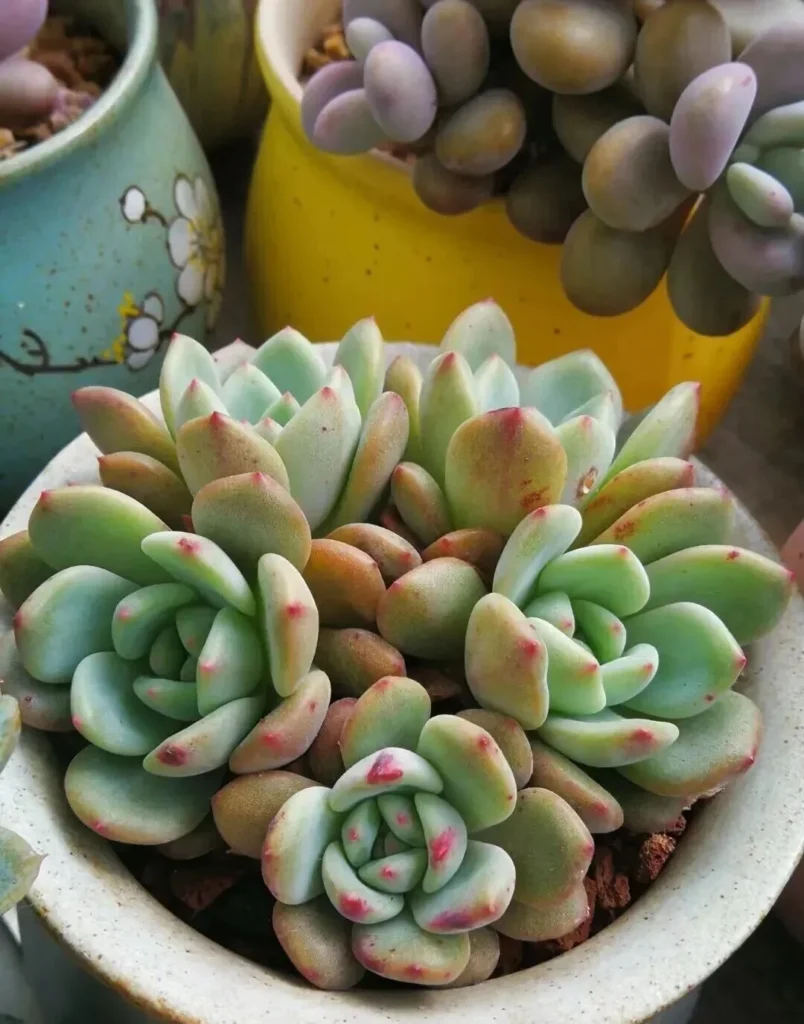
So detailed and thorough. The succulents in the pictures are all beautiful.
Growing succulents is a journey. You can't rush it, and you can't be lazy.
An incredibly detailed guide.