
Echeveria Cassiopeia Care: Growing the Fairy Succulent
 AbodePro Tools
I first stumbled upon the breathtaking Echeveria Cassiopeia while scrolling through social media, and it was love at first sight. With its gracefully spreading leaves, intense red margins, and a hazy, brushed variegation, this plant truly looks like a botanical fairy. Since that day, I made it my mission to grow this stunning succulent and uncover the secrets behind its unique beauty.
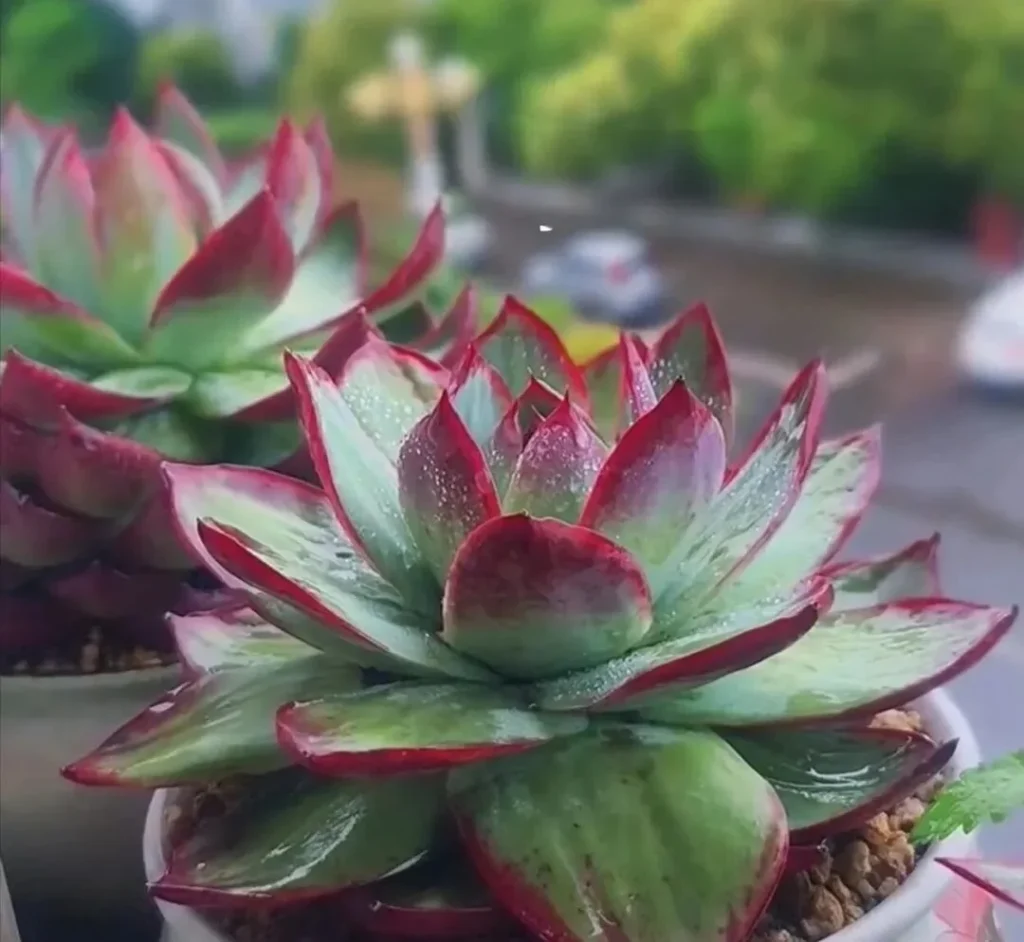
The Origin of the Fairy Succulent
Many beginner gardeners know this plant by its enchanting nicknames, but its official botanical name is Echeveria ‘Cassiopeia’, a beautiful member of the Crassulaceae family. Interestingly, it is not an artificial hybrid. It is actually a natural genetic variegation of the popular Echeveria chihuahuaensis, often displaying slight monstrose characteristics. Because this mutation is natural, every single plant has a completely unique variegation pattern that cannot be exactly replicated.
If the plant loses its variegation (reverts), its leaves will look almost identical to a standard Chihuahuaensis, which perfectly proves its parentage. Unlike many delicate variegated succulents, the Echeveria Cassiopeia is incredibly hardy. It has a high tolerance for summer heat, making it an excellent choice for beginners.
Achieving Peak Colors and Growth
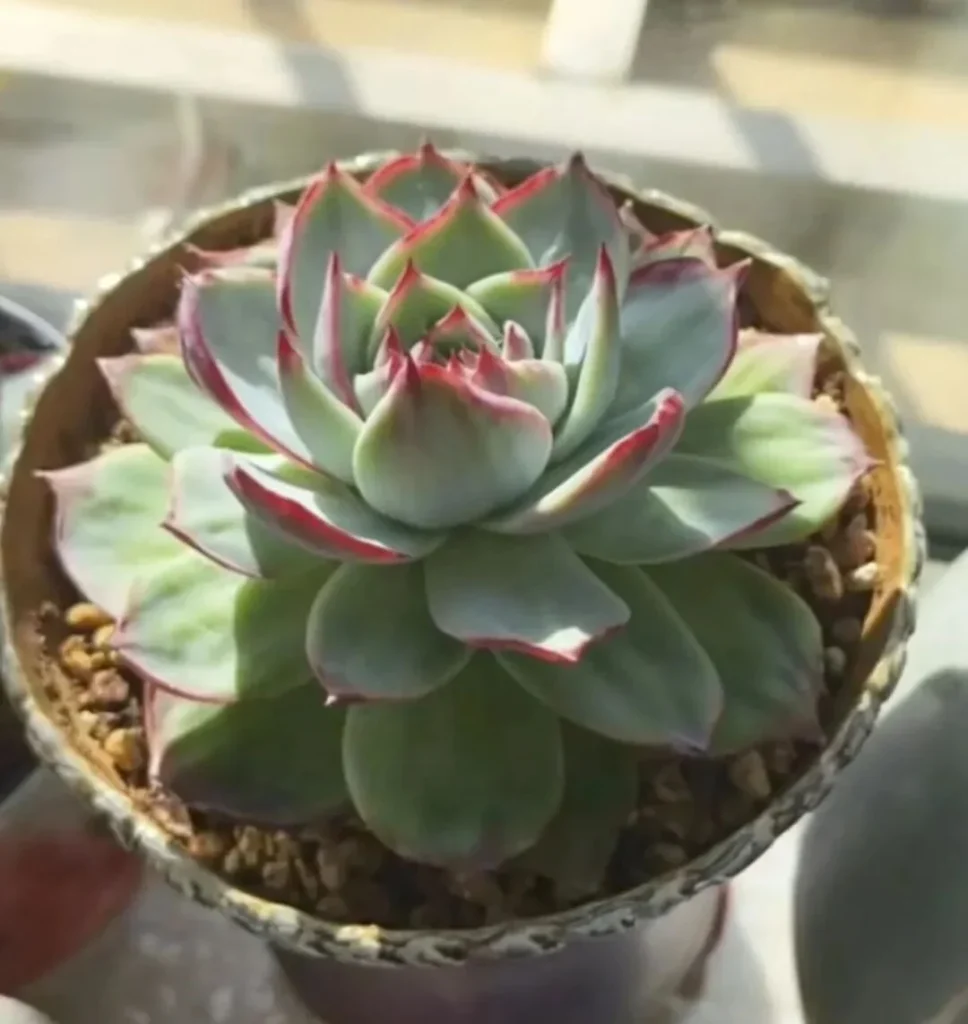
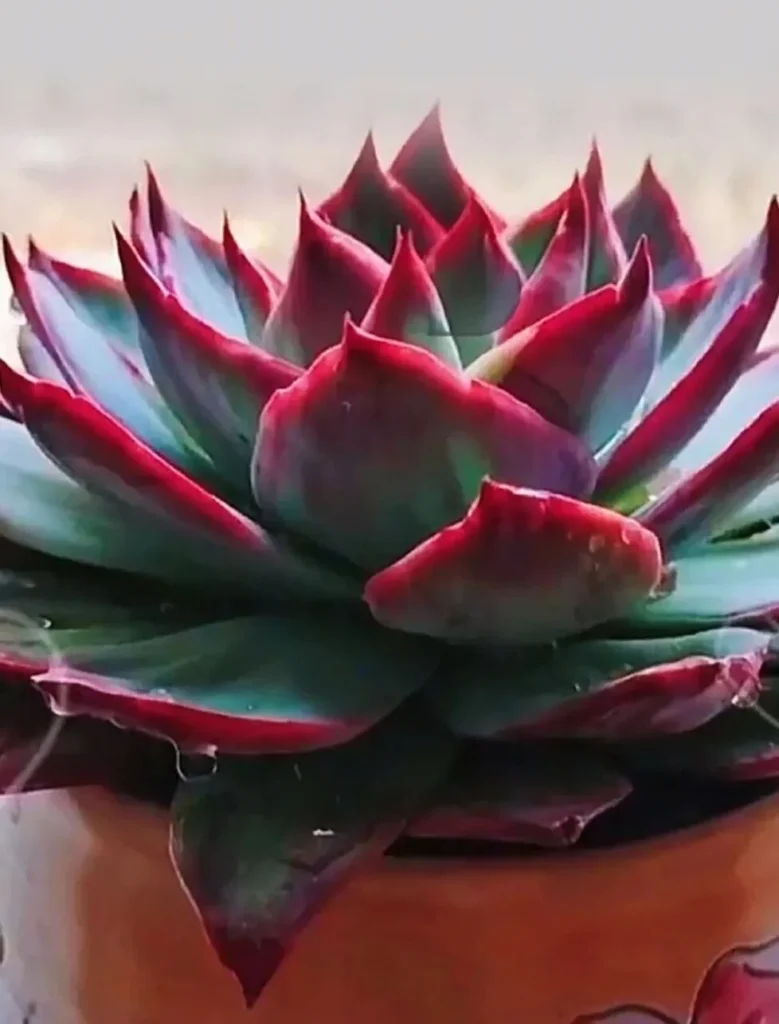
In its native Asian markets, it earned a nickname inspired by classical poetry, comparing its elegant form to a graceful fairy. When autumn and winter arrive, bringing cooler temperatures and ample sunlight, this succulent reaches its absolute peak of beauty.
The entire rosette opens up majestically, while the leaf tips and edges turn a deep, translucent red. From a distance, the elegant rosette looks almost magical. A fully mature Echeveria Cassiopeia can reach about 20 centimeters in diameter, making it a spectacular centerpiece for any collection. The one-of-a-kind brushed variegation remains its biggest selling point.
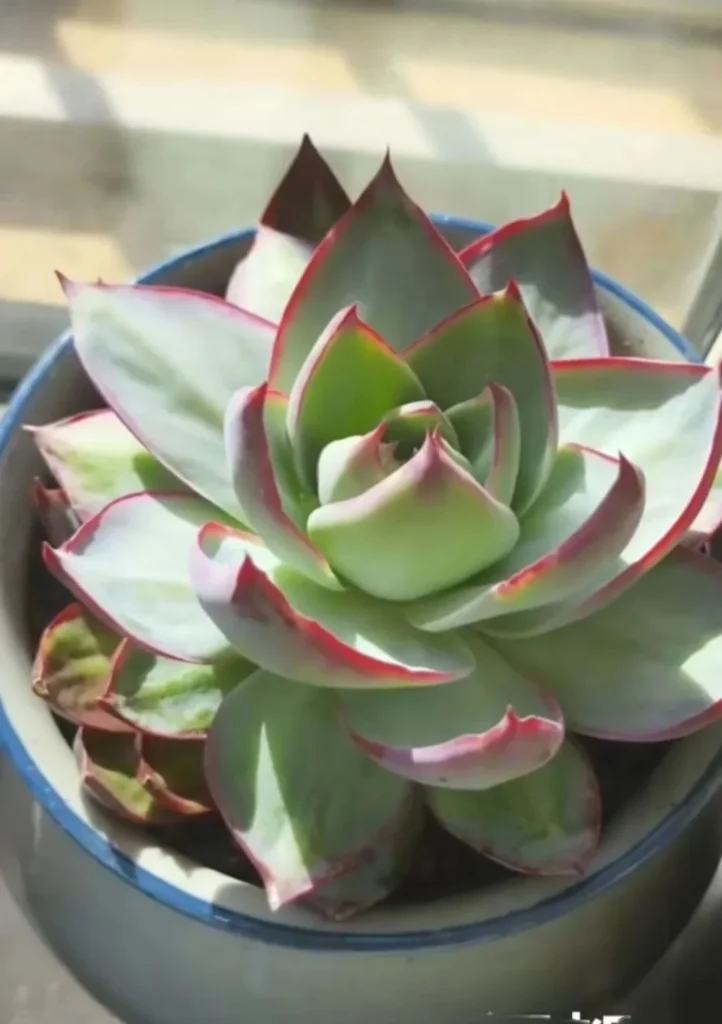
Unfortunately, I have lost two of these beautiful plants in the past. Heartbreakingly, both issues occurred right after they reached their most vibrant state. Anyone who grows succulents understands this specific regret—nurturing a plant to its ultimate beauty, only to lose it. This taught me the importance of strict care routines.
Essential Echeveria Cassiopeia Care Tips
To keep your fairy succulent thriving year-round, follow these practical maintenance guidelines:
- Sunlight: Provide full sun during spring, autumn, and winter. The more sun it gets, the clearer the variegation and the brighter the red edges become. However, you must provide shade during the peak heat of summer to prevent the variegated leaves from sunburn and drying out.
- Watering: Follow the “soak and dry” method. Reduce watering significantly during high summer temperatures, only giving small amounts along the edge of the pot in the evening. In autumn and winter, controlled watering combined with temperature drops will help the plant stress into its beautiful red colors.
- Soil Mix: Use a highly porous soil mix containing at least 70% gritty materials (like pumice or perlite). Variegated succulents generally have weaker root systems, so excellent drainage is mandatory to prevent root rot.
- Ventilation: Good airflow is non-negotiable all year round. It is especially critical after watering in the summer to help the plant survive the heat and prevent black rot.
- Temperature: Protect the plant from frost. When winter temperatures drop below 5°C (41°F), stop watering and move the plant indoors to prevent the fleshy leaves from freezing.
Enjoying the Succulent Journey
Once you experience the beauty of the Echeveria Cassiopeia, it is hard not to fall in love with succulent gardening. You do not need a massive garden; a simple sunny balcony is enough. By mastering these basic care steps and patiently waiting for the seasons to change, you will be rewarded with stunning colors. The unique charm of succulents brings a healing, gentle rhythm to our daily lives, making every leaf worth cherishing.
Such a lovely name.
What a beautiful fairy succulent.
How do you care for it? The colors are so stunning.
The Cassiopeia care guide is useful because it connects light, watering, and soil instead of treating each problem separately.
The soil mix tip is very helpful.
Fairy succulent, so very pretty.
I hope my fairy succulent looks this beautiful in autumn and winter!
Great succulent care guide!
Truly beautiful.
I didn't plan to fall for this plant, but it completely stole my heart.
It's so graceful! I followed the trend and ordered one, still waiting for it to arrive.
Same here, mine flattened out too.
So beautiful.
I haven't bought this one yet, but I really love its name.
Elegant and majestic.
You grow yours so well! Mine already died, so I'm planning to try again this autumn.
The explanation makes this Echeveria feel approachable, especially the practical balance between strong light, airflow, and a fully drying potting mix.
The layout feels calm, and the material choices fit the subject without making the scene feel busy.
The care steps are helpful because they connect bright filtered light, careful watering, and the plant's compact rosette growth in a practical way.
The layout feels calm, and the material choices fit the subject without making the scene feel busy.
The care details for Echeveria Cassiopeia are useful, especially the balance between strong light, airflow, and letting the mix dry before watering again.
I only have one Cassiopeia, and I'm taking care of it so carefully.
Mine flattened out.
So its botanical name is Cassiopeia! It's absolutely gorgeous, top-tier beauty, and full of fairy vibes.
The entire rosette is elegant, with translucent, deep red edges. From afar, it looks like a fairy stepping into the moonlight. You simply can't look away, which perfectly explains its fairy nickname.
A quick glance and it's so beautiful you can't look away. That's exactly why it's called the fairy succulent.
Such a beautiful and magical succulent.
Your Cassiopeia is absolutely stunning! Mine completely flattened out during the rainy season.
Beautiful fairy.
This one is truly gorgeous.
Too beautiful! I just can't seem to grow my Cassiopeia well.