Categories

Products 120Galleries 26Blog Articles 25

Explore Gardening Tools, Planters, Articles, and Galleries

Explore our complete collection of gardening tools, succulent planters, terracotta pots, hardware products, practical articles, and inspiring galleries. Every product, story, and visual feature on our website is gathered here in one place, making it easy to discover, browse, and explore.

Product Categories

Blog Categories

Gallery Categories

Product
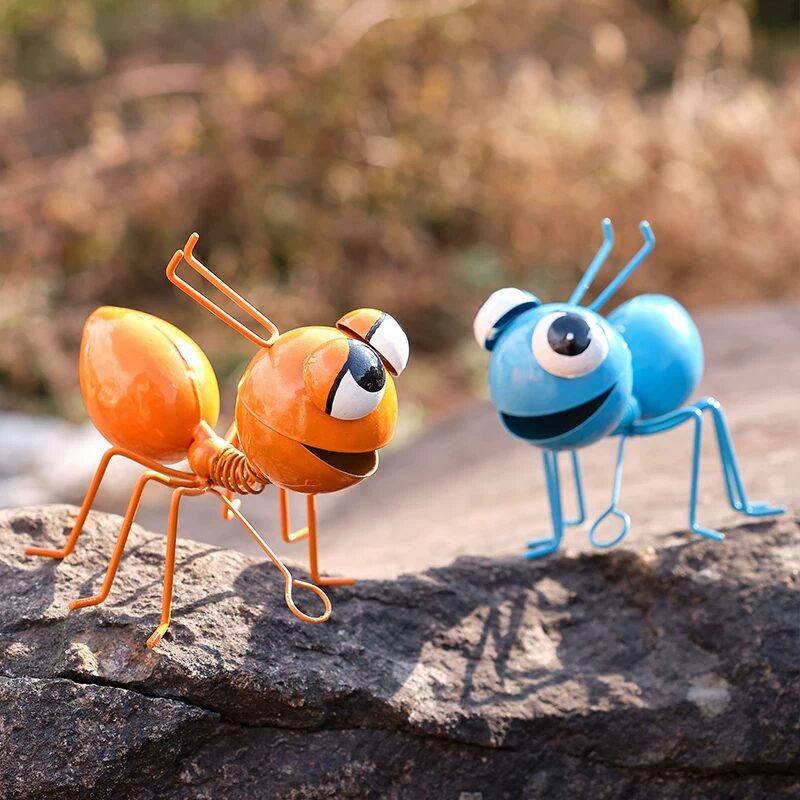
Creative Metal Ant Snail Wall Decor Rustic Garden Ornaments

Sep 10, 2026

Creative Metal Ant Snail Wall Decor Rustic Garden Ornaments

Bring whimsical charm to your space with these vibrant metal ant and snail ornaments. Perfect rustic wall or garden decor.
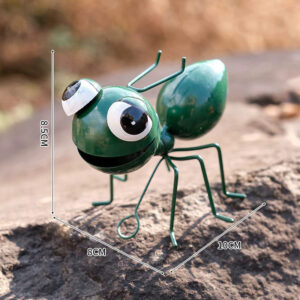
Green Crawling Ant Decor Subscribe 2% $42.00
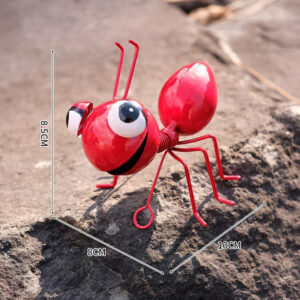
Red Crawling Ant Decor Subscribe 2% $42.00

Orange Crawling Ant Decor Subscribe 2% $42.00
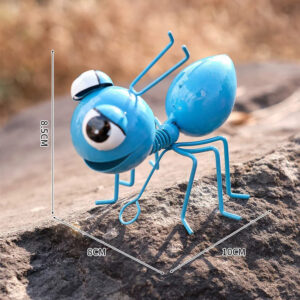
Blue Crawling Ant Decor Subscribe 2% $42.00
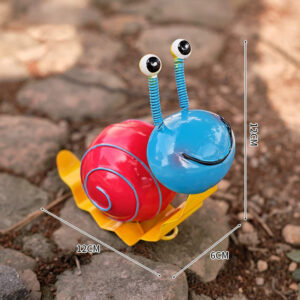
Red Shell Metal Snail Subscribe 2% $48.00
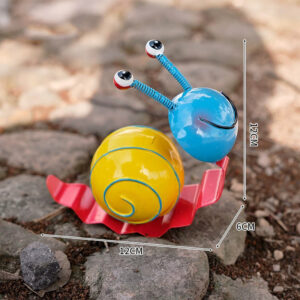
Yellow Shell Metal Snail Subscribe 2% $48.00
All Comments 9

Harper Johnson

I was searching for something unique to liven up my outdoor dining area, and these creative garden sculptures caught my eye. I ordered a mix of the ants and snails, and they arrived quickly. The quality of the iron art is impressive; they feel solid and the paint is vibrant and clearly weather-resistant, which is crucial for my climate. I've placed the ants crawling up a trellis and the snails near my potted herbs, creating a really playful and inviting atmosphere. They are easy to hang, and everyone who visits comments on how charming they are. Definitely a fantastic way to add personality to any garden or patio space with these durable metal ants and snails.

Elvia Pineda

These whimsical patio accents are exactly what I needed! They are well-made and the colors are really eye-catching. I placed the colorful ants on my shed, and they instantly transformed a plain wall into something cheerful. A great buy for outdoor spaces.

Heidi Perkins

The orange ant is a lovely addition to my porch. The paint job is mostly great, though one tiny spot on a leg seemed a bit thin. Overall, it's a very cute and durable metal ant decor piece that brings a smile to my face every time I see it.

Michelle Miller

I purchased a couple of these rustic garden art snails for my backyard fence. The colors are so vibrant and they really stand out against the greenery. Installation was super easy, and they feel very sturdy. Definitely recommend for adding a playful touch.

Harper Li

The blue snail is so cute! It really brightens up my flower bed. A perfect little garden ornament.

Katie Kim

Got the red and green ants. They look fantastic climbing my old oak tree. Great outdoor animal figures for the garden.

Daisy Rose

These little metal ant decor pieces are absolutely charming! They add such a fun, whimsical touch to my patio wall. So happy with them.

Julie Beck

These two little ants look absolutely adorable on the tree! They really bring it to life and add so much charm.

Bernice Oliver

So cute! Love these iron animal figures.

Blog
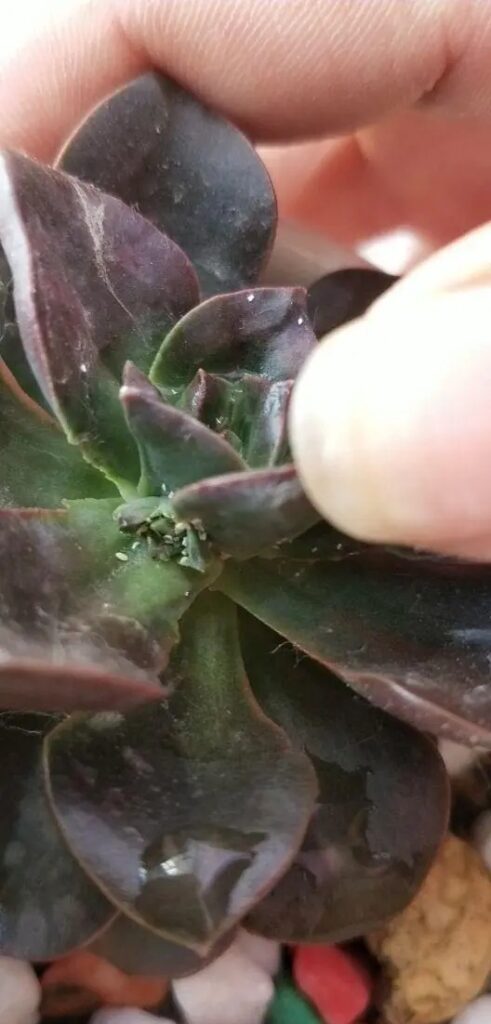
Spring Succulent Pest Control: Treat Bugs & Diseases Easily

Jul 1, 2026

Spring Succulent Pest Control: Treat Bugs & Diseases Easily

Spring Succulent Care: Preparing for Pests and Diseases As spring arrives, rising temperatures and humidity create the perfect growing conditions for your plants. However, this is also the time when bugs and bacteria wake up. If your plants are targeted by me

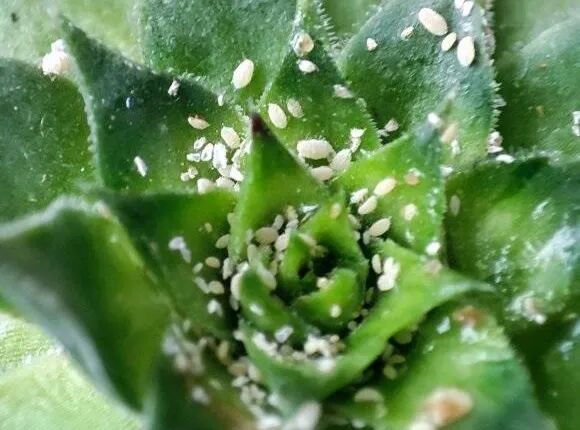
Spring Succulent Care: Preparing for Pests and Diseases As spring arrives, rising temperatures and humidity create the perfect growing conditions for your plants. However, this is also the time when bugs and bacteria wake up. If your plants are targeted by mealybugs or powdery mildew, they can quickly wither and rot. To keep your plants healthy, mastering succulent pest control and disease prevention early in the season is essential. Many beginners worry about buying the wrong or fake treatments, but protecting your plants can be affordable and straightforward. Common Succulent Pests in Spring Before treating your plants, you need to identify the problem. Here are the most common pests you will encounter: 1. Mealybugs These are the top enemies in the succulent world. They hide on the back of leaves, stems, and the surface of the potting soil. They look like tiny white, sticky dots that suck the plant's sap and secrete honeydew, which attracts fungus gnats and diseases. 2. Fungus Gnats These pests appear when the potting soil remains constantly wet. Adult gnats fly around the plant, while their larvae hide in the soil to eat the roots. Once the root system is damaged, the plant can quickly succumb to black rot. 3. Aphids Aphids love to gather on new shoots and flower stalks. They cluster tightly together and feed on tender tissues, causing the new growth to become distorted and deformed. Common Succulent Diseases Fungal and bacterial infections can be just as deadly as pests. Watch out for these common diseases: 1. Powdery Mildew This disease looks like a layer of white frost covering the leaves. Unlike the natural farina (white powder) on some succulents, powdery mildew can be easily wiped off. If left untreated, it will spread and cause the leaves to wither and drop. 2. Black Rot This is often caused by waterlogged soil and poor ventilation. The stem or roots turn black and rot. It spreads incredibly fast, and if you are not careful, the entire plant can die in a matter of days. 3. Sooty Mold This appears as a dark brown or black moldy layer on the leaves. It looks dirty and blocks sunlight, preventing the plant from photosynthesizing, which slowly drains the plant's energy. How to Choose the Right Treatments If your plants are already infected, you need to act fast. You can easily find affordable treatments online. But how do you know which one to buy? The secret lies in the color-coded stripes at the bottom of the pesticide label. This is a mandatory standard for legitimate agricultural products. If a bottle lacks this stripe, it is likely a fake. Red Stripe: This indicates an insecticide or miticide. It is specifically used to kill pests like mealybugs, fungus gnats, and aphids. Black Stripe: This indicates a fungicide or nematicide. It is designed to treat fungal and bacterial diseases like powdery mildew, black rot, and sooty mold. Simply put, choose a red stripe for bugs and a black stripe for diseases. When searching online, use specific terms like "succulent mealybug treatment" to find exactly what you need. Safety and Odor Concerns Many people worry about the smell and safety of these treatments. Most pesticides and fungicides need to be heavily diluted with water, so they rarely have a strong odor. If there is a slight smell after spraying, simply open a window for ventilation, and it will dissipate quickly. All treatments have some level of toxicity. It is a basic safety rule to keep all chemicals and recently sprayed plants far away from children and pets. Always handle these products with common sense and care. Prevention is Better Than Cure The best way to protect your plants in spring is through good maintenance habits. Provide plenty of ventilation, avoid overwatering, and never let water sit in the potting soil. Regularly clean up dried, dead leaves at the base of the plant to eliminate hiding spots for bugs. By giving your plants enough space to grow and maintaining a clean environment, pests and bacteria will have no chance to thrive. If you do need to use treatments, just remember the red and black stripe rule to build a strong health defense for your beautiful plants.

All Comments 4

Ethan Lawrence

The pest control steps are practical, especially the reminder to inspect new growth and hidden leaf joints.

Ian Hill

The pest control steps are practical, especially the reminder to inspect new growth and hidden leaf joints.

Heather Caldwell

The pest control steps are practical, especially the reminder to inspect new growth and hidden leaf joints.

Andrew Rodriquez

Helpful spring care guide.

Product
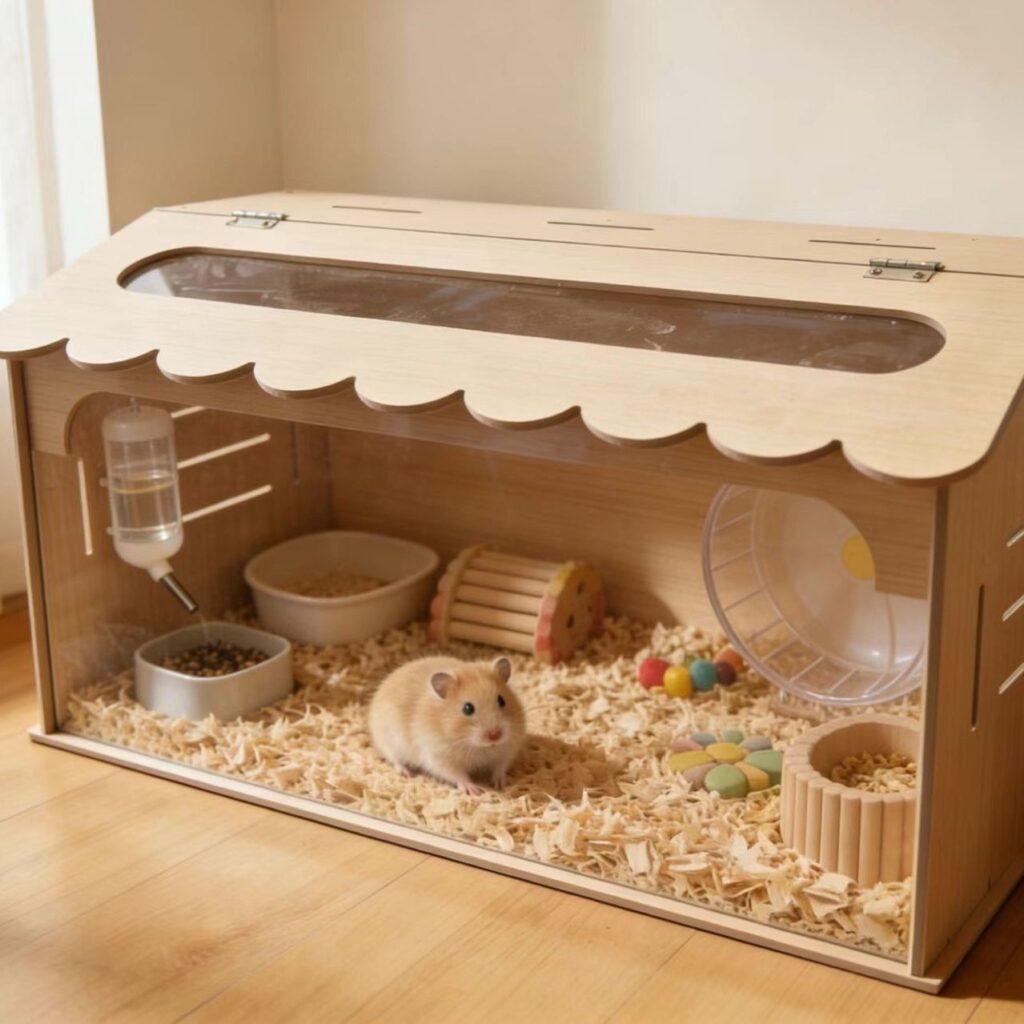
Deluxe Wooden Hamster and Quail Brooder – Cozy Pet Habitat

Sep 10, 2026

Deluxe Wooden Hamster and Quail Brooder – Cozy Pet Habitat

Provide a luxurious and warm home for your hamsters, quails, and small pets. This MDF wooden cage offers a cozy breeding and living environment.

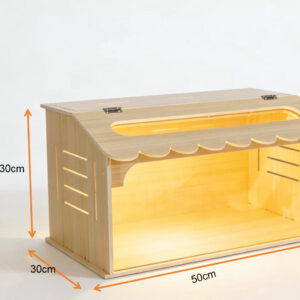
Large Wooden Pet Brooder 23.5in Subscribe 2% $150.00
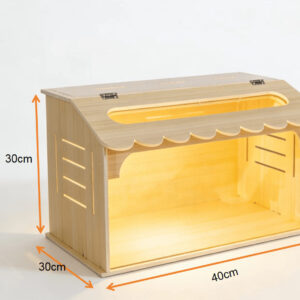
Small Wooden Pet Brooder 15.5in Subscribe 2% $120.00
Medium Wooden Pet Brooder 19.5in Subscribe 2% $135.00

All Comments 20

George Jensen

For Deluxe Wooden Hamster and Quail Brooder - Cozy Pet Habitat, is the divider spacing safe for young quail while still giving a hamster enough ventilation and easy cleaning access?

Pat Turner

Absolutely love this deluxe wooden hamster cage! It's so much more appealing than the wire cages. My hamster has plenty of room to roam, and I appreciate the solid base for bedding. It feels very secure and well-made.

Jordan Henderson

Our Syrian hamster home arrived quickly and was simple to put together. It's much more attractive than plastic cages and seems to keep the temperature very stable. My hamster seems happier and more active in this spacious setup. Great design!

Caleb Arnold

Exactly what I needed for my new button quails. This button quail habitat provides a safe and warm environment. Assembly was quick and easy.

Türkan Majewski

This comfortable pet cage is perfect for my dwarf hamster. Looks much better than plastic, and cleaning is a breeze.

Edwin Fowler

Purchased this for my quail chicks, and it works wonderfully as a quail brooder. It holds heat well, which is crucial for young birds. The material feels sturdy, and it's easy to keep clean. A solid choice for anyone raising small poultry.

Dolores Barrett

This luxury pet cage is fantastic for my two robos. They have plenty of space to burrow and play. The clear top makes it easy to observe them, and the natural wood blends nicely with my decor. A significant upgrade from their old plastic one.

Nina Mills

The MDF pet habitat is mostly great. It looks good and my hamster seems content. However, I found the assembly instructions a bit vague in places, which added a few extra minutes to the setup. Overall, I'm still satisfied with the purchase.

Arnaud Johnson

Fantastic hamster home! Love it.

Caroline Rose

I was looking for a more aesthetically pleasing option than wire cages, and this MDF pet habitat exceeded expectations. It's sturdy, the wood finish is beautiful, and it provides a quiet, secure space for my Syrian hamster. Cleaning is straightforward with the hinged top, and the ventilation is adequate. Highly recommend for anyone wanting a stylish and functional small animal enclosure.

Sheryl Kennedy

Super cute and functional hamster house. My little one is enjoying exploring all the space. Looks great in the living room.

Chloe Terry

This cozy pet home is truly fantastic. It was easy to assemble and looks very stylish. My Syrian hamster has so much more space to explore and burrow now. The clear top is perfect for watching his antics without disturbing him. Highly recommended!

Gabriele Kaps

I was impressed by the build quality of this small animal home. It provides a secure and comfortable space for my pet mouse. The ventilation is good, and the viewing window is a nice touch. Definitely a step up from typical cages.

Gabriel Lo

Such a lovely cozy pet habitat! My dwarf hamster settled in immediately. It's well-made and surprisingly spacious for its footprint.

Ellie Morris

I purchased this for my button quails, and it's been an excellent quail brooder. The MDF construction keeps them warm, and the viewing panel is great for checking on the chicks without disturbing them. Very happy with this purchase for my little flock.

Billy Hall

Love this small animal enclosure! Perfect.

Charlotte Stanley

Having tried several types of cages, this pet breeding box is by far the best for my dwarf hamsters. The solid walls prevent bedding from scattering everywhere, and the deep base allows for deep burrowing, which they adore. The insulation factor is a huge plus, maintaining a consistent temperature. It’s also very easy to access for daily checks and cleaning. Worth every penny for a happy pet.

Carlota Guevara

Fantastic versatile pet habitat! Using it for my baby rats temporarily, and they love the space. Good build.

Pedro George

This wooden hamster cage is perfect! My little guy loves it and looks so cozy. Easy to assemble and looks great in the room.

John Dunn

Great quality wooden pet enclosure. My gerbils love it. It's much quieter than their old wire cage.

Blog
7 Succulent Care Mistakes to Avoid for Healthy Plants

Jul 1, 2026

7 Succulent Care Mistakes to Avoid for Healthy Plants

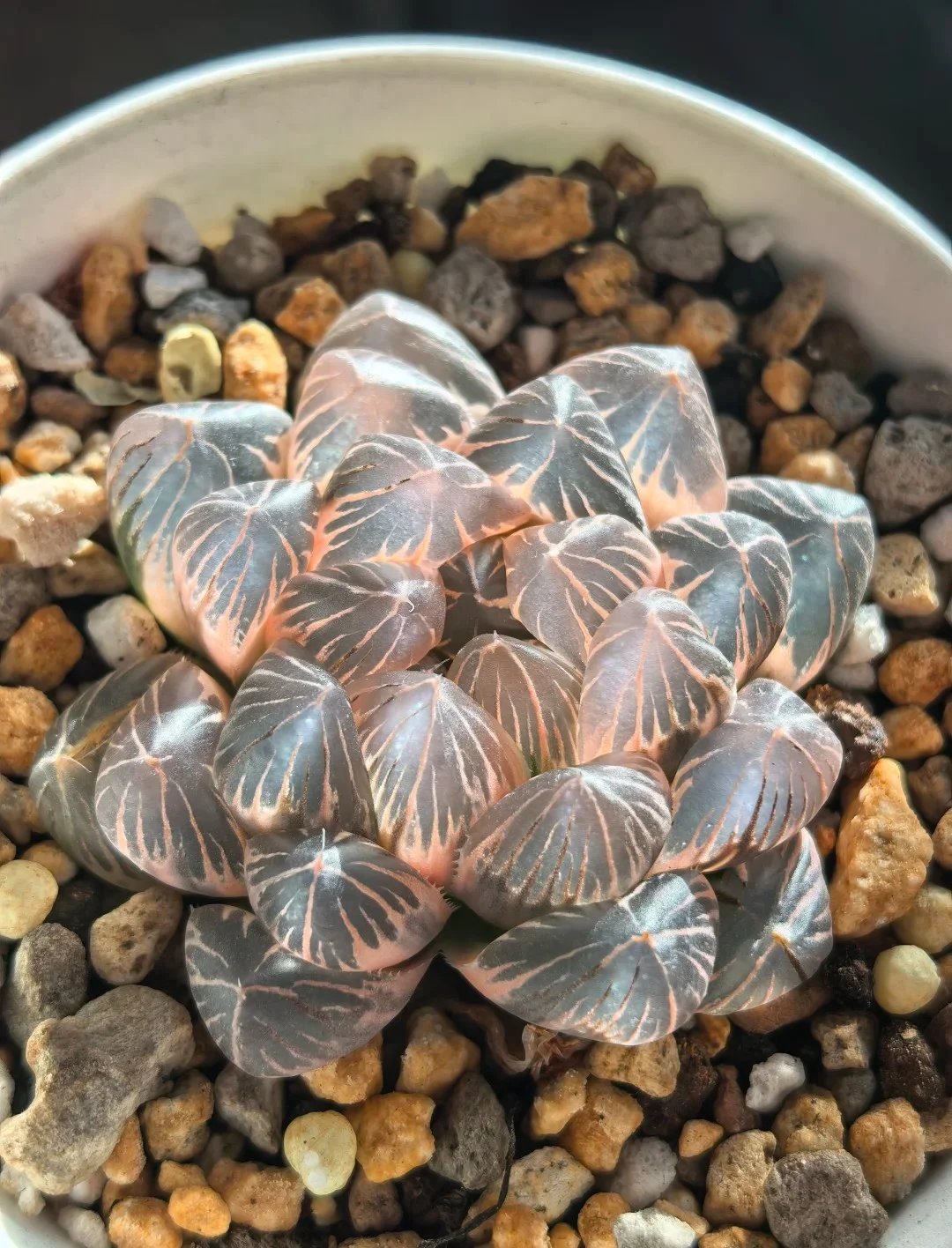
Many plant enthusiasts fall into a common trap when growing succulents: they overwater, over-fertilize, and provide extreme sunlight. Despite all this effort, the plants often suffer from root rot, become leggy, or develop shriveled leaves. The truth is that a

Many plant enthusiasts fall into a common trap when growing succulents: they overwater, over-fertilize, and provide extreme sunlight. Despite all this effort, the plants often suffer from root rot, become leggy, or develop shriveled leaves. The truth is that avoiding common succulent care mistakes is much more important than trying to force them to grow.Succulents are not overly fragile, but they despise unnecessary interference. If your plants are struggling, it is likely because you are accidentally making a few subtle errors. Whether you are a beginner or an experienced grower, understanding these pitfalls will help you raise plump, colorful, and healthy plants with minimal effort. 1. Watering Based on a Strict ScheduleThis is the most common and fatal mistake beginners make. Watering whenever the surface looks dry, or giving them a little splash every few days, keeps the soil constantly moist. This inevitably leads to suffocated roots and severe rot. On the other hand, watering too lightly prevents the deep roots from getting moisture, causing the leaves to wrinkle.The best approach is the soak and dry method. Insert your finger about an inch into the soil; only water when it is completely dry. When you do water, pour slowly around the edges until water drains from the bottom, and always empty the saucer. Remember to reduce watering significantly during extreme summer heat or winter cold when the plant enters dormancy. 2. Exposing to Extreme Lighting ConditionsWhile succulents love light, they absolutely hate extreme exposure. Placing them directly under the harsh midday summer sun will cause the leaves to turn yellow, burn, or turn to mush. Conversely, keeping them in a dark corner will cause them to stretch out and lose their compact shape, a condition known as etiolation.During the active growing seasons of spring and fall, provide 4 to 6 hours of bright sunlight to help them develop vibrant colors. In the summer, protect them from the intense midday sun by providing partial shade. In winter, place them in the brightest indoor spot available to prevent leggy growth. 3. Using the Wrong Soil MixSucculents have shallow and delicate root systems that cannot tolerate heavy, water-retaining soil. Using standard potting soil or garden dirt is a guaranteed way to cause root rot within a few weeks, as the soil compacts and stays wet for too long.The core requirement for succulent soil is excellent drainage and aeration. A highly recommended mix is 60% inorganic grit (such as pumice, perlite, or volcanic rock) and 40% organic succulent soil. Adding a layer of larger stones at the bottom of the pot can further improve drainage and keep the roots healthy. 4. Choosing a Pot That Is Too LargeIt is a common misconception that a larger pot will make a plant grow faster. For succulents, a pot that is too large holds too much soil, which means it retains moisture for far too long. The roots end up sitting in wet dirt, slowing down their establishment and increasing the risk of rot.Always choose a pot that is only slightly larger than the plant itself, ideally leaving just a small gap around the edges. Small cuttings do best in tiny starter pots, while mature clusters can be upgraded slightly. Always ensure your chosen container has a drainage hole at the bottom. 5. Constantly Moving Your PlantsSucculents thrive in a stable environment and prefer to stay in one place once they acclimate. Moving them from the balcony to the windowsill and back again forces the plant to constantly adjust to new microclimates. This stress can cause soft leaves, stunted growth, and a failure to establish strong roots.Find a suitable location with good airflow and appropriate indirect sunlight, and leave the plant there. Unless there is a drastic seasonal change that requires you to protect them from frost or extreme heat, it is best to let them grow undisturbed. 6. Over-Fertilizing During the Wrong SeasonMany beginners believe that more fertilizer equals faster growth. Applying strong, undiluted fertilizers, or feeding them too frequently, will burn the delicate roots. Succulents actually have very low nutritional requirements, and excess fertilizer will cause leaf drop and severe root damage.If you choose to fertilize, only do so during the active growing seasons in spring and fall. Use a highly diluted, specialized succulent fertilizer just once a month. Never fertilize during their summer or winter dormancy periods. 7. Neglecting Basic Pruning and GroomingIt is natural for the bottom leaves of a succulent to dry up and die as the plant grows. However, leaving these dead leaves, spent flower stalks, or diseased foliage attached to the plant is a major mistake. This debris blocks airflow and creates a perfect hiding spot for pests and fungal infections.Regularly inspect your plants and gently remove any completely dry, crispy leaves from the base. If you spot diseased leaves, cut them off immediately with sterile scissors to prevent the issue from spreading. Pruning leggy stems can also encourage new branching and a more compact shape. Conclusion: Less Is MoreGrowing beautiful succulents is actually quite simple once you understand their basic needs. By avoiding these seven common succulent care mistakes, you can prevent the most frequent issues that plague indoor gardeners. The key is to observe your plants closely, provide a stable environment, and resist the urge to over-care for them.Patience is your best tool. Give them the right soil, appropriate light, and proper watering habits, and they will naturally develop into the plump, colorful plants you desire. Stop stressing over every little detail and enjoy the slow, rewarding process of succulent gardening.

All Comments 9

AbodePro Tools

Welcome everyone to provide more feedback!

Carlos Carlson

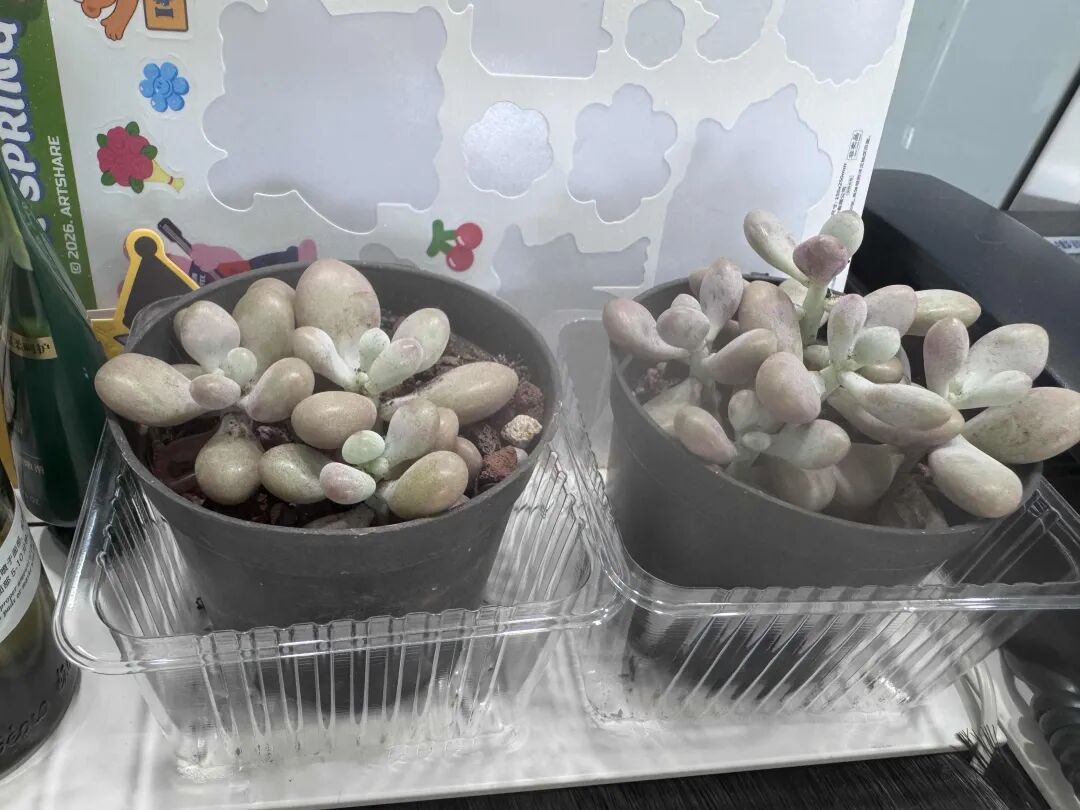
I keep Moonstones in my office.

Ana Johnson

Thanks for sharing! Great summary. Theory is important, but practice matters more.

Candice Hawkins

The soil mix tip is incredibly helpful.

Amy Côté

Great sharing.

Amy Côté

Learned a lot, great takeaways.

Bella Meyer

I never realized a large pot could cause root rot. Good to know!

Addison Johnson

Thanks for sharing, I benefited a lot.

Bryan Nelson

Thanks for sharing.

Product
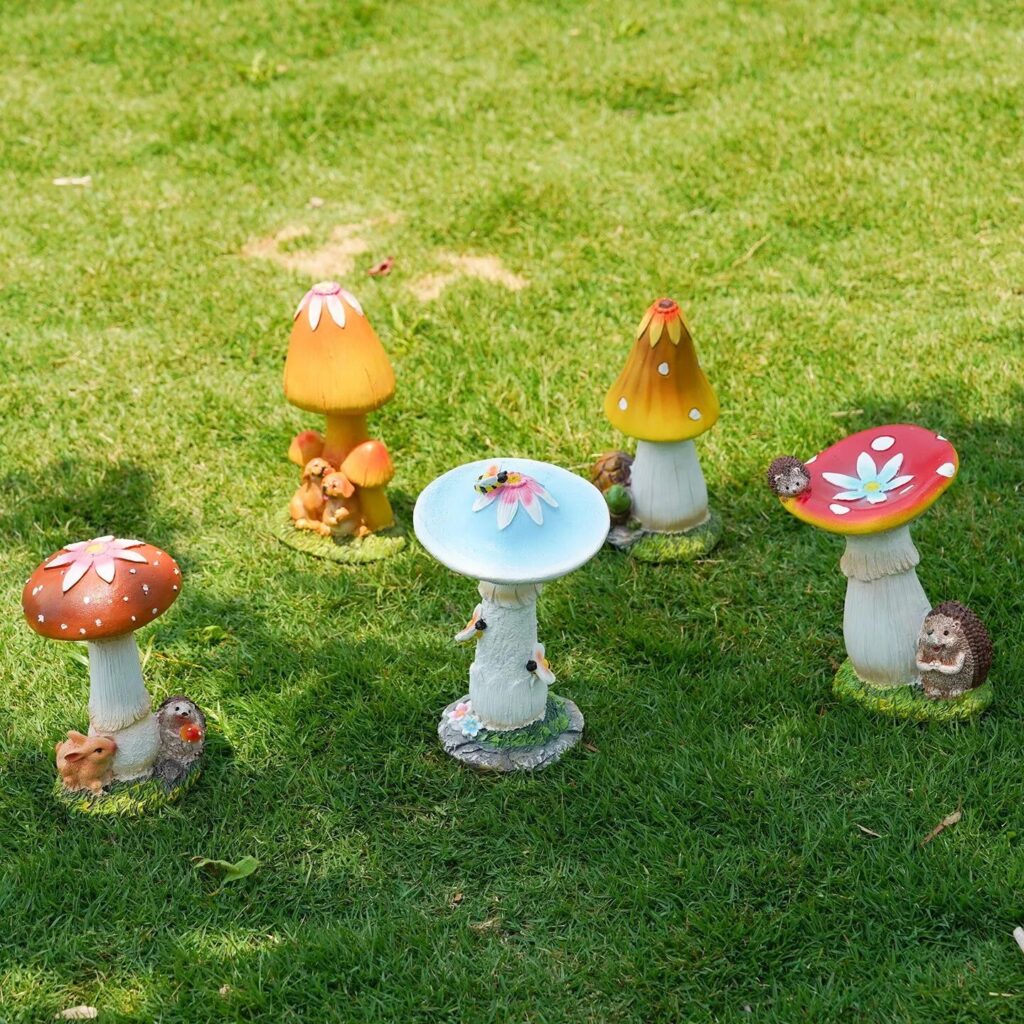
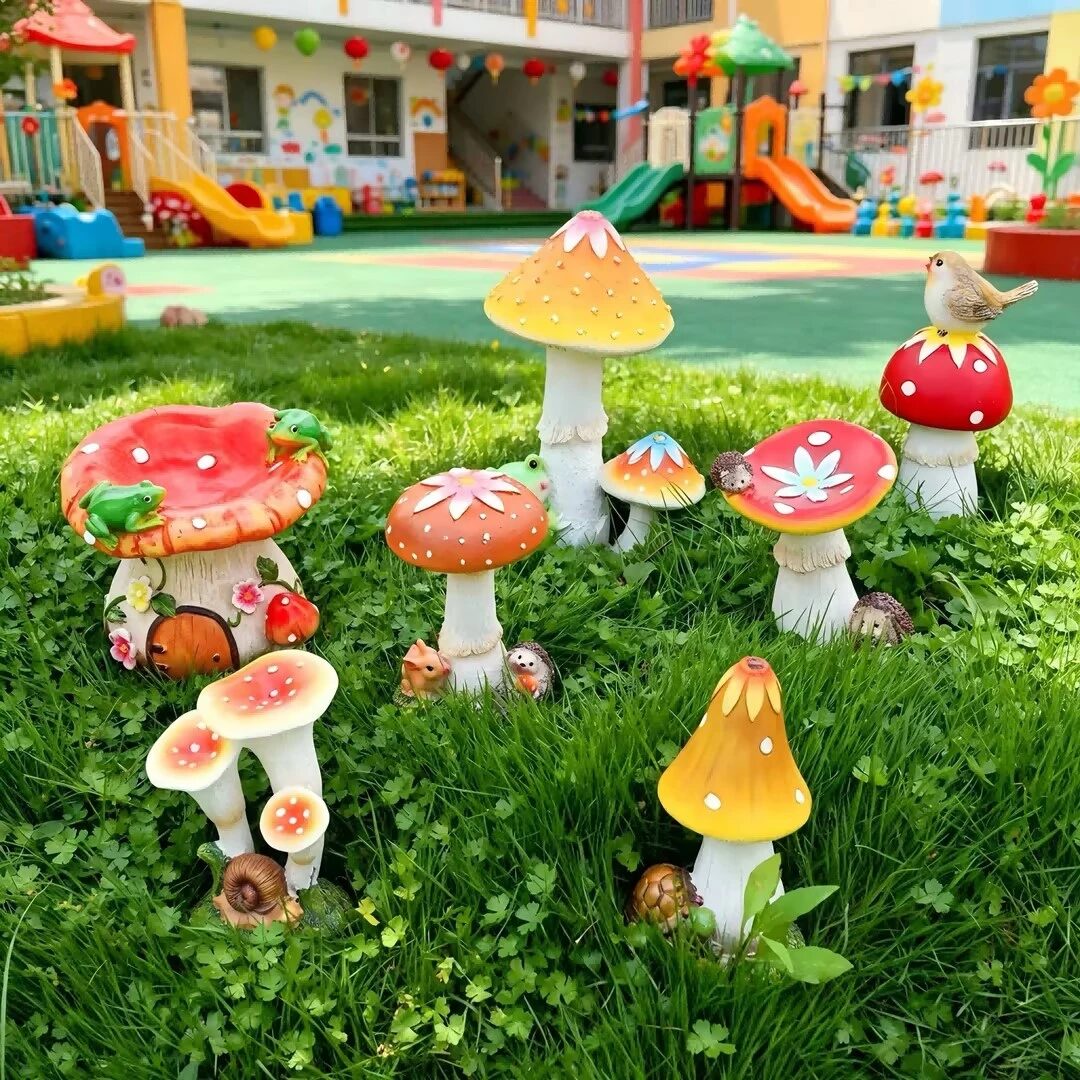
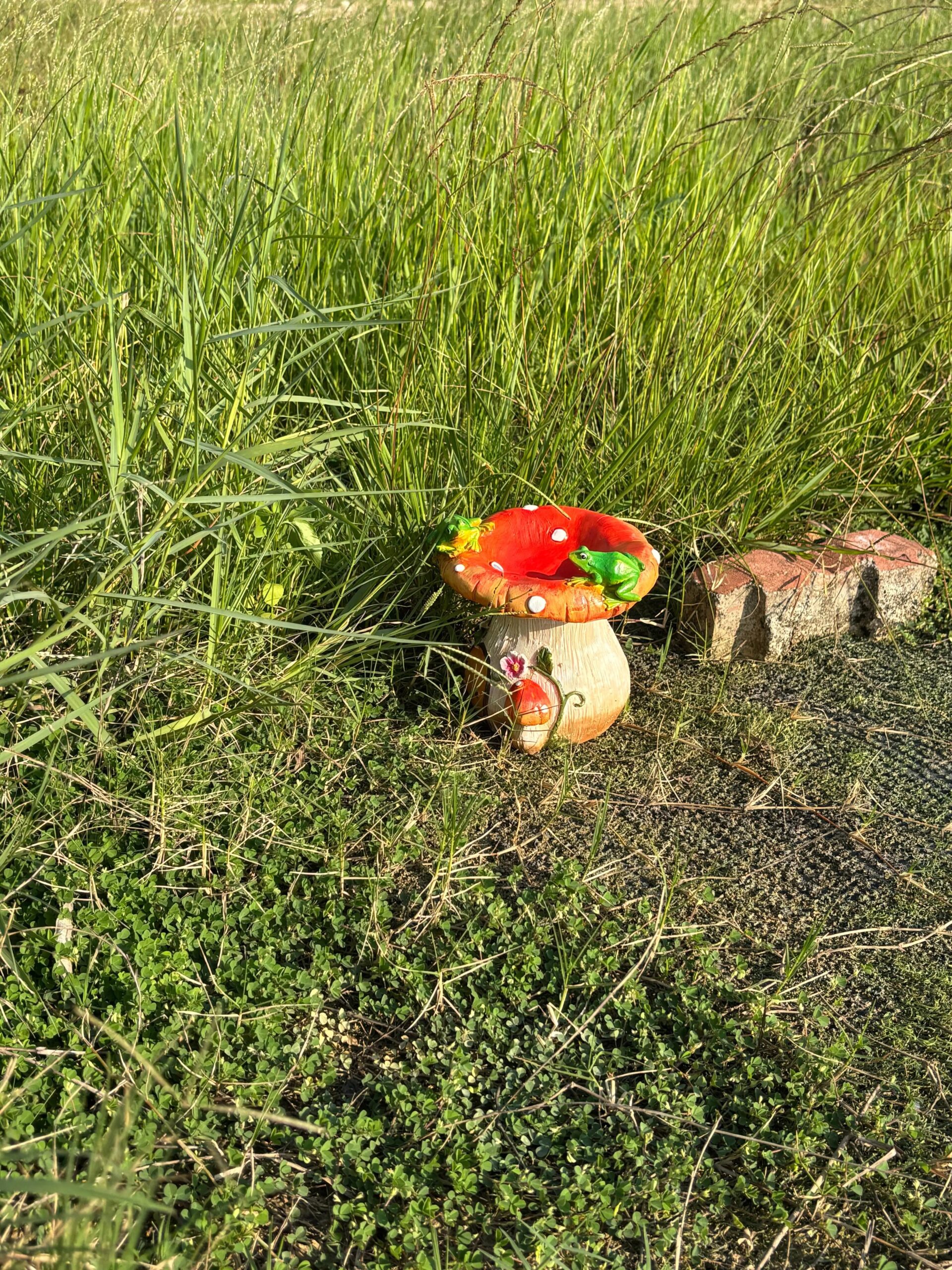
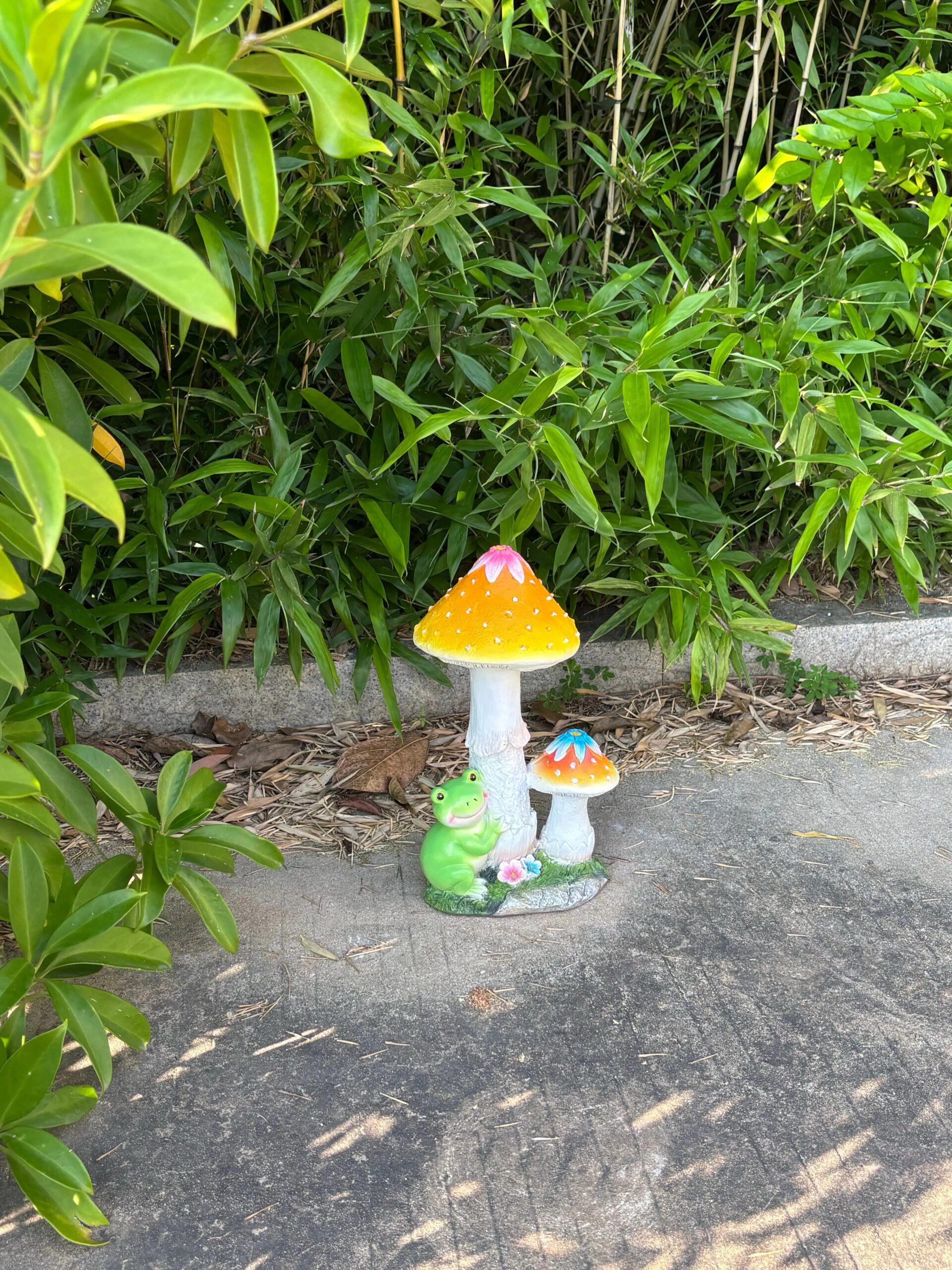
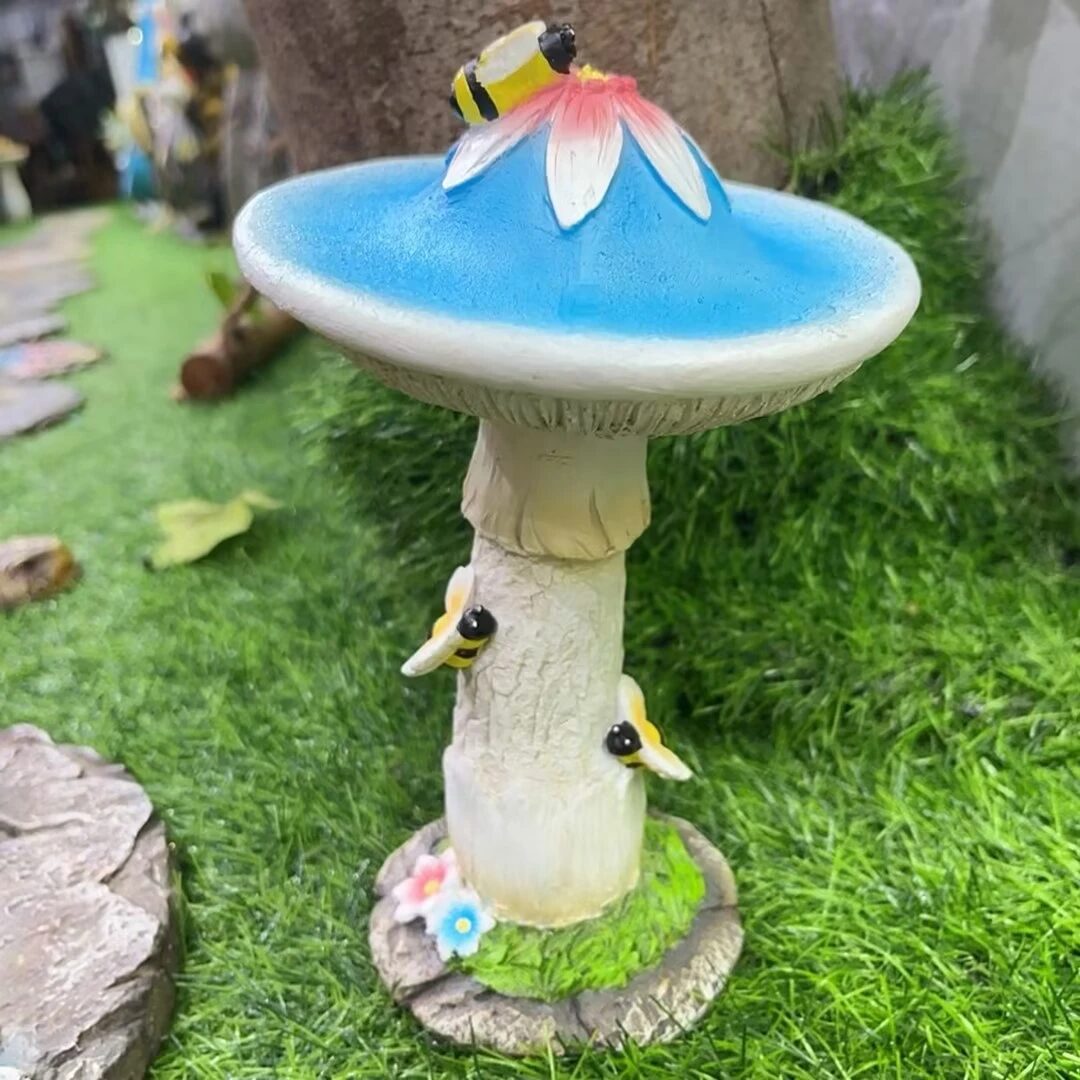
Cute Outdoor Mushroom Garden Statues and Fairy Lawn Decor

Sep 10, 2026

Cute Outdoor Mushroom Garden Statues and Fairy Lawn Decor

Adorable resin mushroom sculptures add a magical touch to your garden, patio, or balcony. Perfect for charming outdoor landscaping.

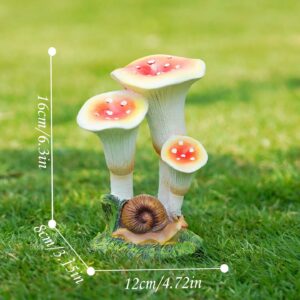
Red White Mushroom Snail 6.3in Subscribe 2% Original price was: $81.00.Current price is: $74.52.
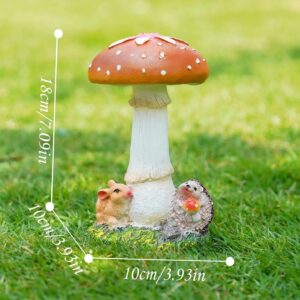
Brown Mushroom Rabbit Hedgehog 7.09in Subscribe 2% Original price was: $81.00.Current price is: $74.52.
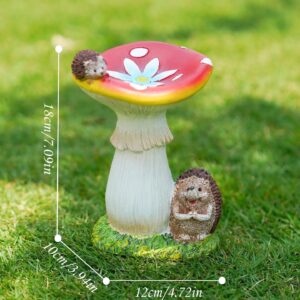
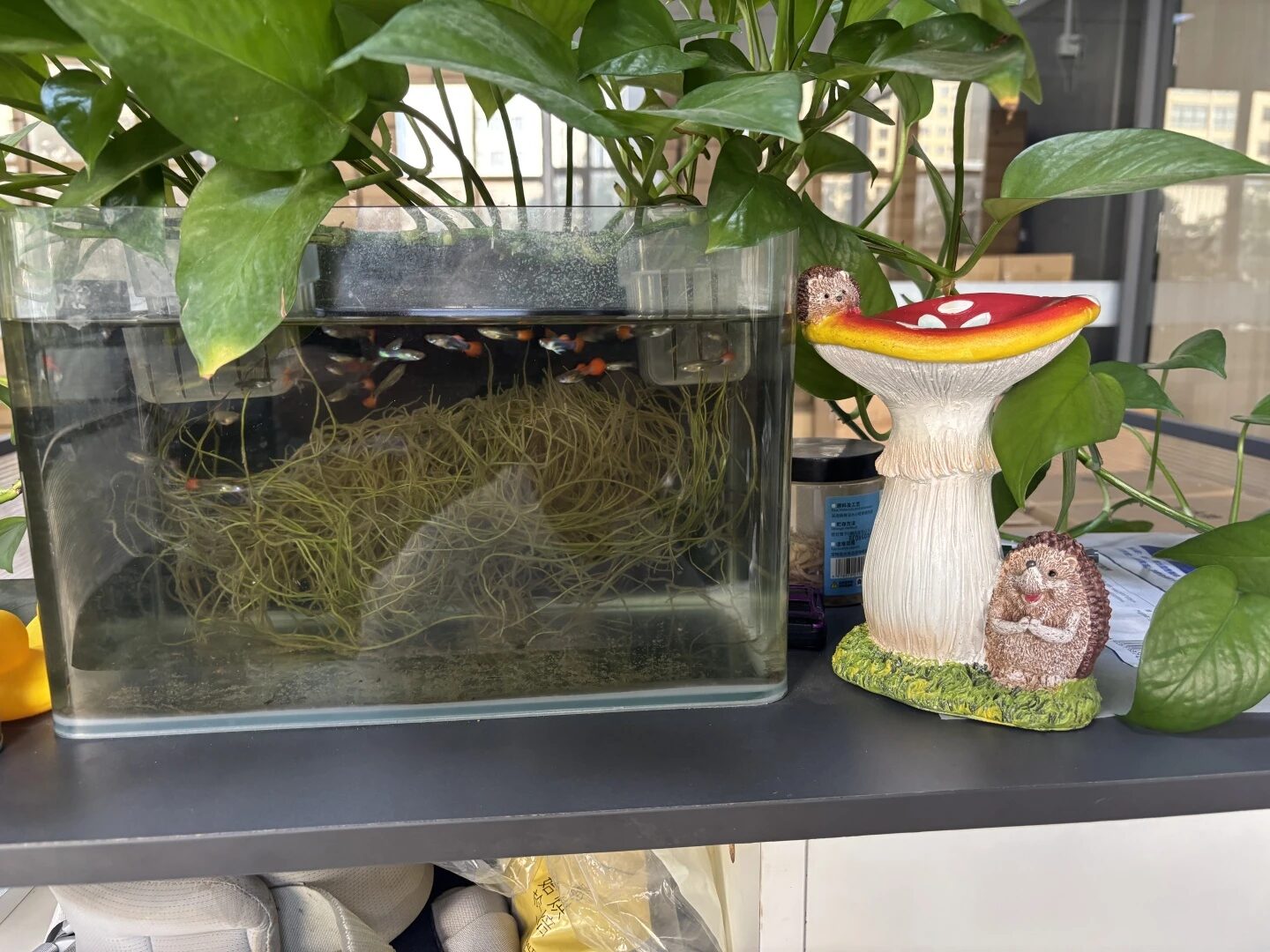
Red Mushroom Two Hedgehogs 7.09in Subscribe 2% Original price was: $81.00.Current price is: $74.52.
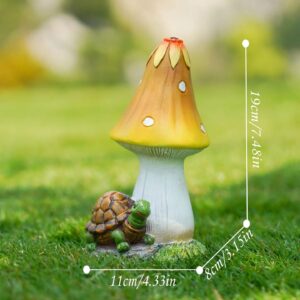
Yellow Mushroom Green Turtle 7.48in Subscribe 2% Original price was: $81.00.Current price is: $74.52.
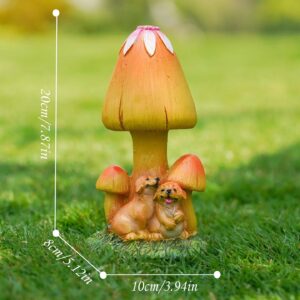
Yellow Mushroom Two Puppies 7.87in Subscribe 2% Original price was: $81.00.Current price is: $74.52.
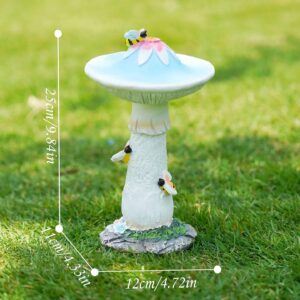
Blue Mushroom Birdbath Bees 9.84in Subscribe 2% Original price was: $81.00.Current price is: $74.52.
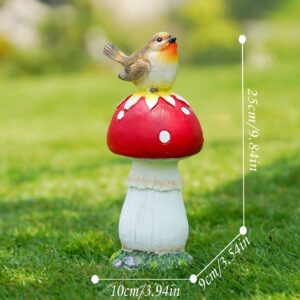
Red Mushroom Perched Bird 9.84in Subscribe 2% Original price was: $81.00.Current price is: $74.52.
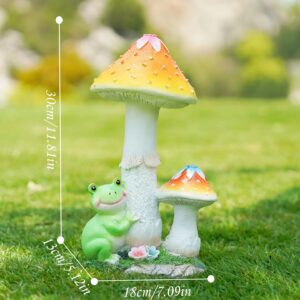
Tall Mushroom Green Frog 11.81in Subscribe 2% Original price was: $81.00.Current price is: $74.52.
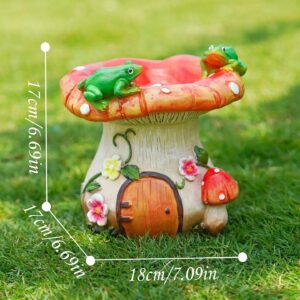
Red Mushroom House Two Frogs 6.69in Subscribe 2% Original price was: $138.00.Current price is: $126.96.
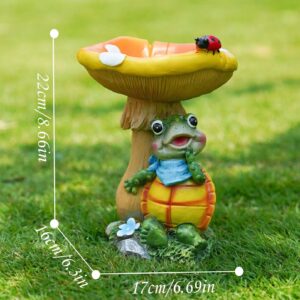
Yellow Mushroom Cartoon Turtle 8.66in Subscribe 2% Original price was: $138.00.Current price is: $126.96.

All Comments 13

Melinda Martin

I bought a few of these whimsical garden decor pieces for my backyard, and they've added such a magical touch. The little animals on some of the mushroom figurines are a delightful detail, perfect for a subtle fairy garden theme.

Tammy Perkins

Such charming outdoor mushroom figurines! They've held up perfectly through rain and sun. A lovely, durable addition to my patio.

Alicia Webb

These cute mushroom garden statues instantly brightened up my flower bed! They are absolutely adorable and bring a smile to my face every time I see them.

Roberta Kuhn

The mushroom figurines are really sweet and look great in my small garden. I just wish the base was a little heavier on the taller one, as it wobbles slightly in strong winds. Still, I'm happy with how they brighten up the space.

Robin Price

This piece totally sets the mood! It's just perfect for adding that special touch, whether it's for daily enjoyment or a particular setup.

Leander Willms

These garden statues are so vibrant and truly cute. They stand out beautifully against the green of my lawn.

Sara Carter

Fantastic experience from start to finish! The packaging was solid, it shipped super fast, and arrived pristine. It's perfectly sized, so elegant, and looks great no matter where I put it.

Thomas Parker

So impressed with the delivery, it arrived perfectly intact and brand new. Once displayed, it looks so chic and modern, really makes the room feel complete.

Maya Lavigne

I've been looking for something to add a bit of personality to my plain backyard for a while, and these resin mushroom sculptures were exactly what I needed. I got a few different sizes and scattered them amongst my plants. They really tie together the whole look, making my outdoor landscaping feel much more inviting and whimsical. The colors are vibrant, and they seem quite sturdy. I especially love the one with the little hedgehog – it’s such a charming touch. My grandkids adore them too, always pointing out the 'fairy houses' when they visit. Highly recommend for anyone wanting to add some charm!

Bernard Davidson

These garden patio ornaments are fantastic! I placed one by my front door and another on the balcony. They're well-made and surprisingly versatile. Would make a wonderful gift for any garden enthusiast.

Daniela Martin

This mushroom piece is such a timeless classic. It seriously never gets old, always looks fresh, and it's super practical for everyday display.

Annabelle Ambrose

This item is incredibly versatile and looks fantastic in any setting. It really elevates the look of the room.

John Garza

Absolutely charming garden decor!

Blog
Succulent Pest Control: How to Identify and Treat Bugs

Jul 1, 2026

Succulent Pest Control: How to Identify and Treat Bugs

Succulents are generally low-maintenance, but they are not immune to pests. If you notice your plants looking unhealthy, bugs might be the culprit. In this guide, we will explore the most common succulent pest control methods and how to eliminate these invader

Succulents are generally low-maintenance, but they are not immune to pests. If you notice your plants looking unhealthy, bugs might be the culprit. In this guide, we will explore the most common succulent pest control methods and how to eliminate these invaders effectively.1. Scale Insects on SucculentsScale insects often look like small, hard bumps or white waxy spots on your succulent leaves. They attach themselves to the plant and suck out the sap, causing severe weakness over time. How to Treat Scale InsectsFor early stages, you can spray the affected areas with 75% rubbing alcohol. Wait a few hours, then rinse the plant with clean water. Do not overuse alcohol, as it can damage the leaves. For severe infestations, use a dedicated systemic pesticide to clear them out completely.2. Aphids on SucculentsAphids are tiny, semi-transparent bugs that can be green or black. They usually cluster around new growth and often have a symbiotic relationship with ants, which protect them. How to Treat AphidsSoak tobacco leaves in water for four hours to create a natural spray.Use a highly diluted mixture of mild soap and water.Apply specific insecticidal sprays for persistent problems.3. Whiteflies on SucculentsThese tiny flying insects look like white dust or small moths. They hide under leaves and fly up in a cloud when the plant is disturbed. How to Treat WhitefliesA highly diluted soapy water spray can work, but use it cautiously to avoid leaf damage. The most effective method is using systemic granules mixed into the soil. The plant absorbs the treatment, killing the pests from the inside out.4. Root MealybugsThese are hidden killers that live in the soil. They look like white cottony masses on the roots and cause the succulent to turn yellow, wither, and eventually die. How to Treat Root MealybugsYou can perform a soil drench with a systemic pesticide. For a thorough cure, unpot the plant, wash the roots completely, and soak the roots in a pesticide solution for 20 minutes. Let them dry completely before repotting in fresh soil.5. Spider Mites on SucculentsSpider mites are microscopic red pests that spin tiny webs. They cause severe scarring and discoloration on succulent leaves, spreading rapidly in dry conditions. How to Treat Spider MitesA homemade garlic and pepper spray can act as a natural deterrent.Use specific miticides and rotate different brands to prevent resistance.Apply horticultural mineral oil to physically suffocate the mites without building resistance.6. Fungus GnatsThese small black flies hover around damp soil. While the adults are annoying, their larvae live in the soil and feed on tender succulent roots. How to Treat Fungus GnatsThe best defense is keeping the soil dry, as larvae die in arid conditions. Add a top dressing of dry inorganic grit, like pumice or sand. You can also use yellow sticky traps to catch adult flies and apply a pesticide drench for the larvae.Conclusion: Prevention is the Best CureThe best way to manage pests is through proper prevention. Always ensure your succulents have excellent ventilation, adequate sunlight, and dry soil between waterings. A healthy environment is your best defense against bugs and diseases.

All Comments 2

Anthony Jensen

The alcohol tip for scale insects is helpful.

Brandy Alvarez

I didn't know root mealybugs hide in the soil. Thanks for the repotting advice!

Shopping Cart