
7 Worst Succulents for Beginners (And 4 Easy Alternatives)
 AbodePro Tools
The Hard Truth About Buying Succulents
Last week in our local gardening club, a new member shared a frustrating message: “I bought a beautiful Echeveria ‘Ice Green’ two months ago, and after one summer rain, it completely melted.” She posted a photo of an empty pot, and immediately, dozens of members chimed in with similar stories.
I completely understand that feeling.
When I started growing succulents eight years ago, I would see those translucent, pastel-colored photos online and impulse-buy them. By the end of my first summer, I had 17 empty pots and a lot of wasted money. That is when I learned the most important lesson: the biggest mistake is not your care routine, but choosing the worst succulents for beginners.
Some varieties are naturally fragile greenhouse princesses. They look stunning but are exhausting to keep alive. Here are 7 varieties you should avoid when starting out.
7 Worst Succulents for Beginners to Avoid
1. Echeveria ‘Imbricata’
This variety is notorious for dying during the hot summer months.
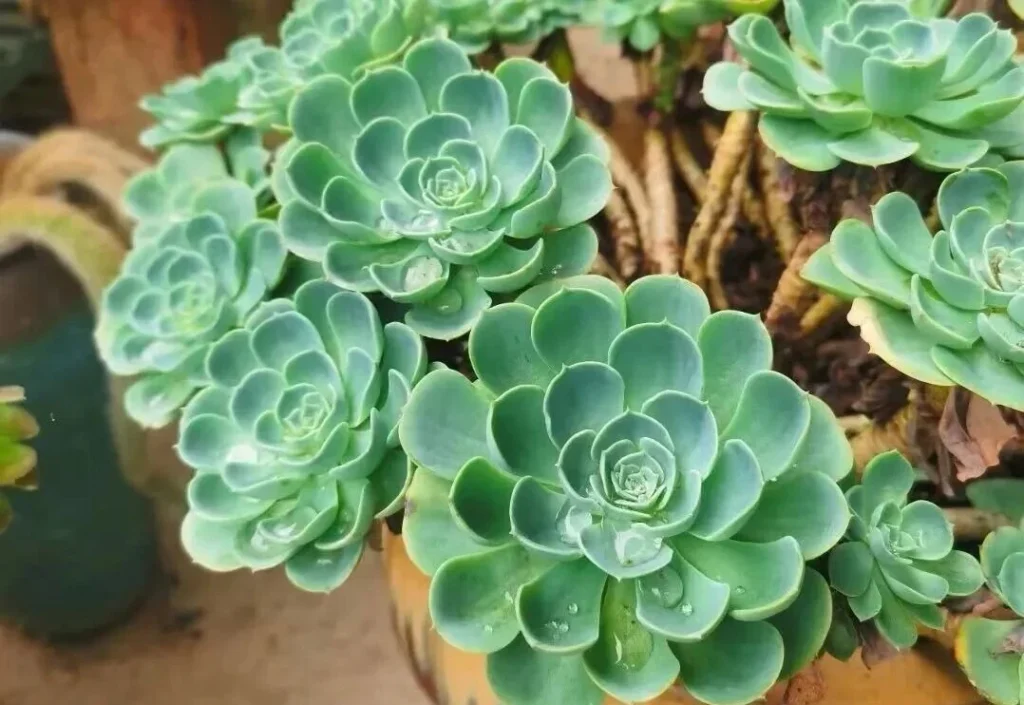
It spreads out like a green lotus and looks incredibly photogenic, tricking many beginners into buying it. However, once the temperature exceeds 86°F (30°C), if the air is slightly stagnant or the soil is too wet, it will develop black stem rot from the center. The leaves will drop rapidly, and there is no saving it. The propagation survival rate is also extremely low.
2. Echeveria derenbergii (Painted Lady)
This is a variety that many gardeners both love and hate.
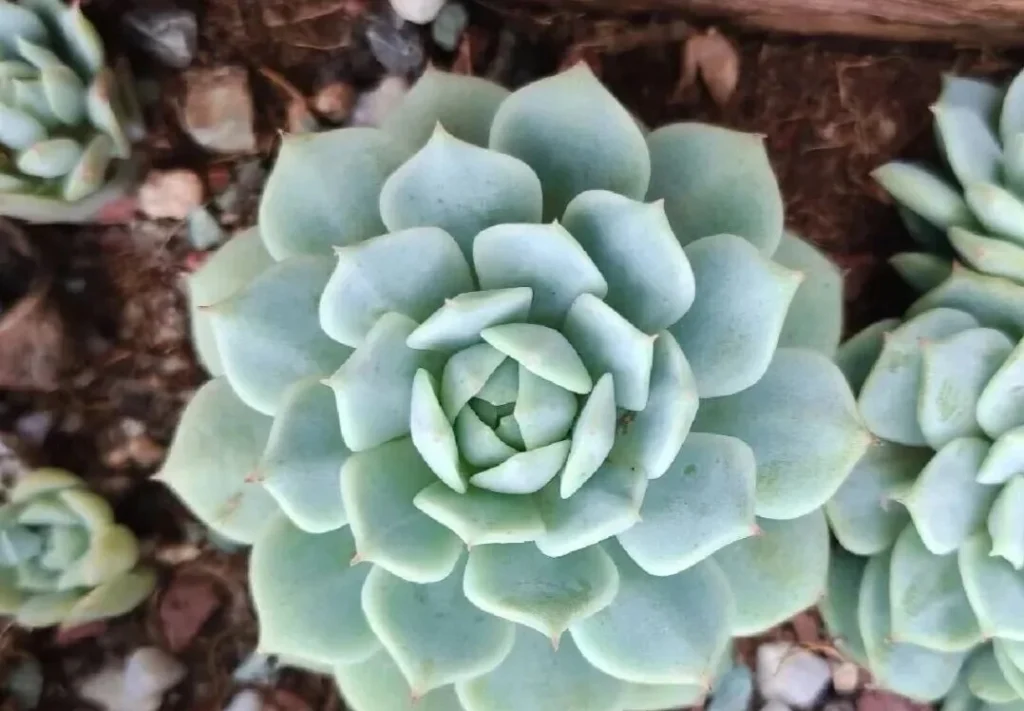
When healthy, the leaves are compact and translucent with pale pink edges, producing beautiful offsets. But this beauty comes at a high cost. It sunburns easily in the summer and rots quickly in high humidity. Even if you keep it in a cool, well-ventilated spot, failing to control watering will cause it to turn to mush.
3. Cotyledon tomentosa (Bear’s Paw)
The fuzzy leaves with red tips look exactly like tiny bear paws. When I first started, I bought three different pots of this variety, hoping at least one would survive.
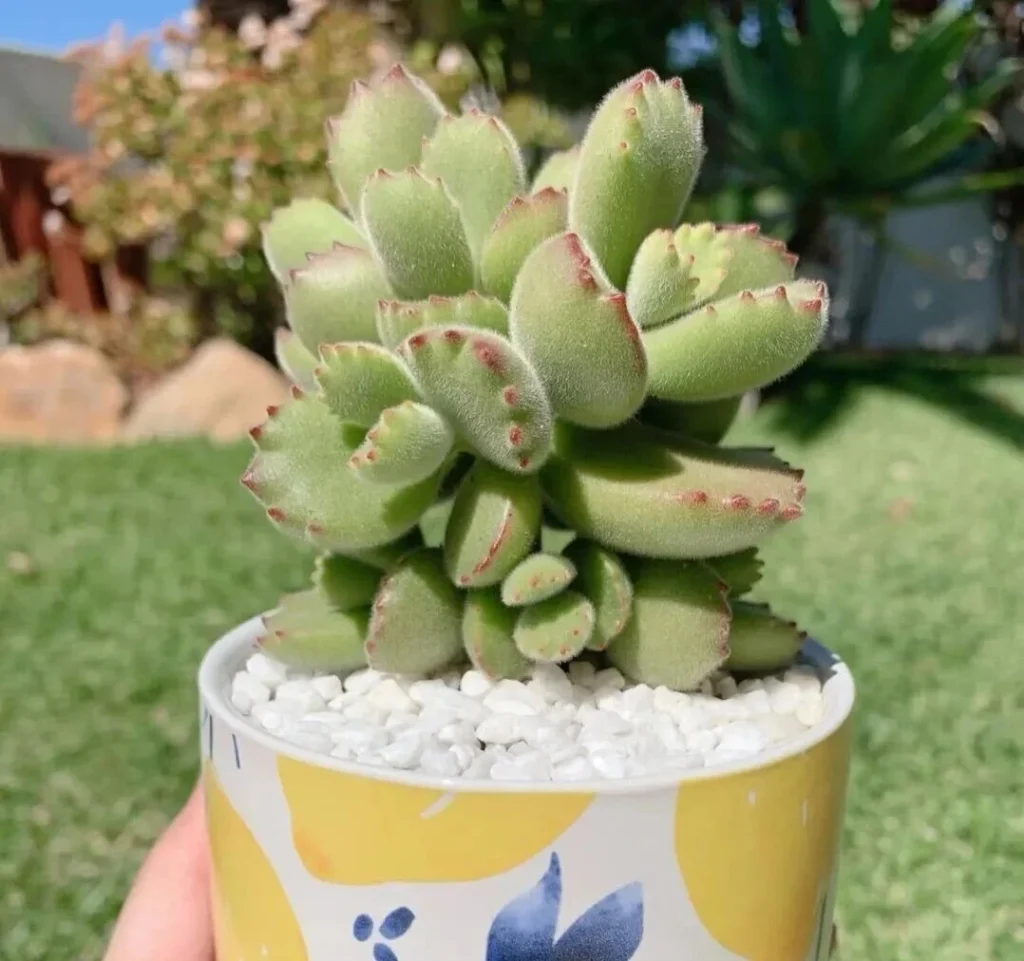
Once summer arrives, the heat and humidity cause the leaves to drop continuously until only a bare stem remains. The variegated versions are even harder to keep alive. Those perfect photos online are usually taken in spring or grown in professional commercial nurseries with strict climate control.
4. Pachyphytum machucae (Baby Finger)
This plant features plump leaves and a soft pink color, resembling tiny baby fingers. Unfortunately, this cute appearance has a very short shelf life.
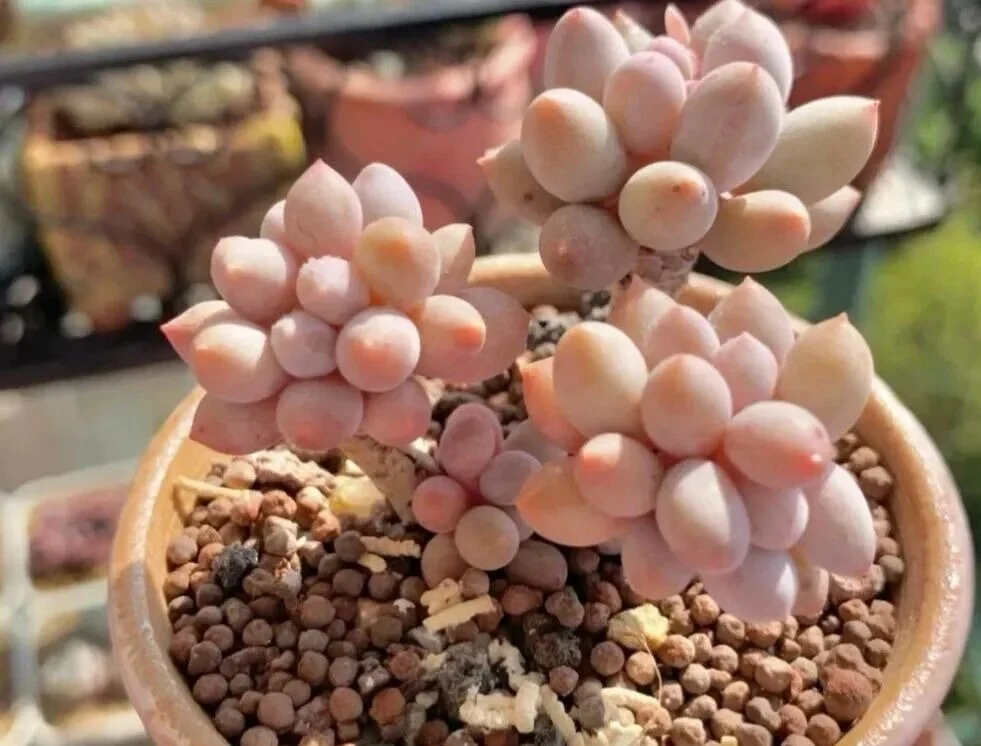
Under high summer temperatures, the leaves turn yellow, melt, and attract pests. Even if you do everything right with shading and ventilation, it rarely survives until autumn. I have tried growing this three times, and the longest it survived was 11 months before succumbing to a sudden heatwave.
5. Echeveria ‘Minima’
This compact rosette with red-tipped leaves looks absolutely magical. However, its requirements for humidity and airflow are incredibly strict.
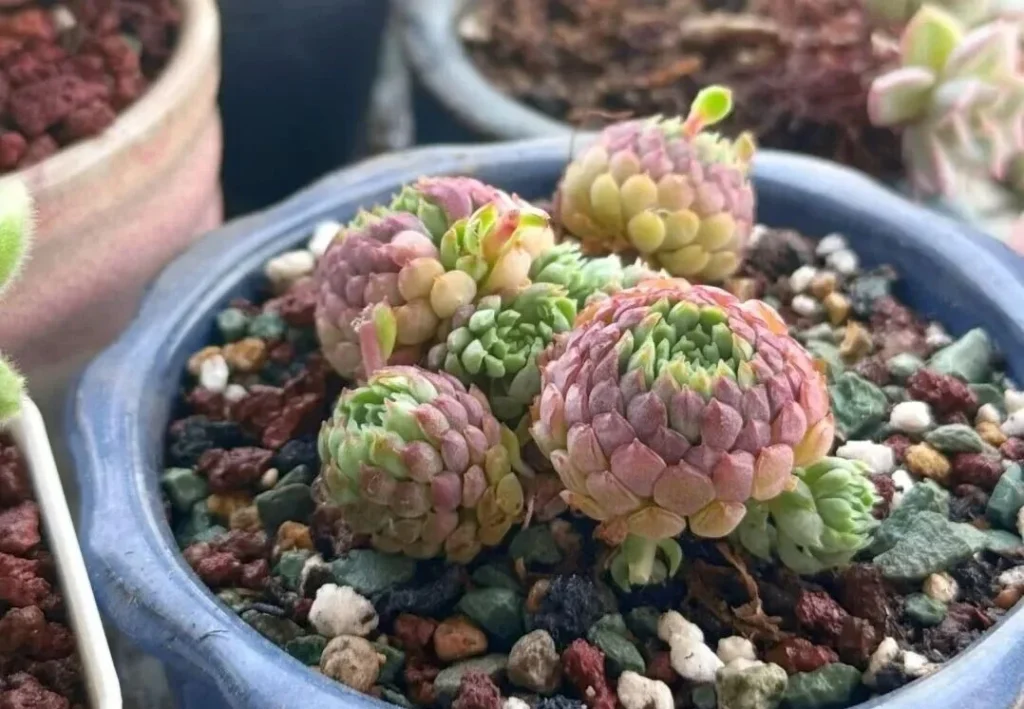
When temperatures rise above 82°F (28°C), the leaves become soft and start falling off. The slightest bit of excess moisture leads to core rot. It usually dies within a month of purchase. The most expensive pot I ever bought lasted exactly 23 days.
6. Aeonium Species (Black Rose)
Tall and dramatic, the Aeonium family seems tough to beginners, but that is a huge misconception.
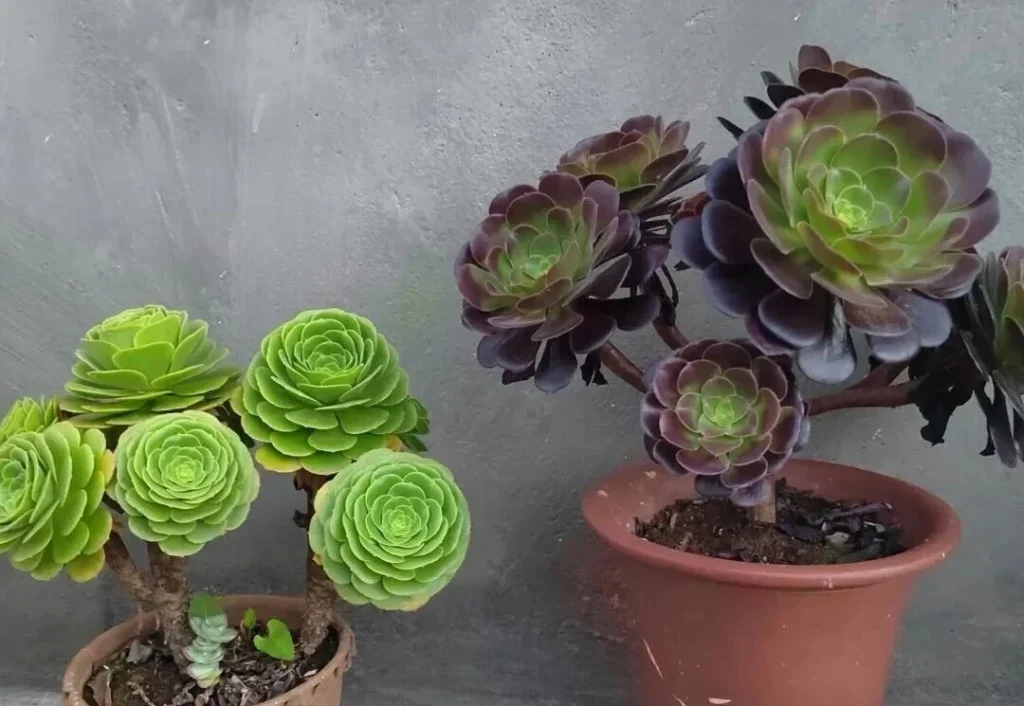
During summer heat, Aeoniums go dormant. Their leaves close up tightly like a rosebud. This is the most dangerous time to water them. Because the root system is inactive, excess water will immediately cause the core to rot. Once the core rots, the plant is dead.
7. Echeveria ‘Ice Green’
The leaves are crystal clear, resembling little ice cubes. But its beauty is proportional to its fragility.
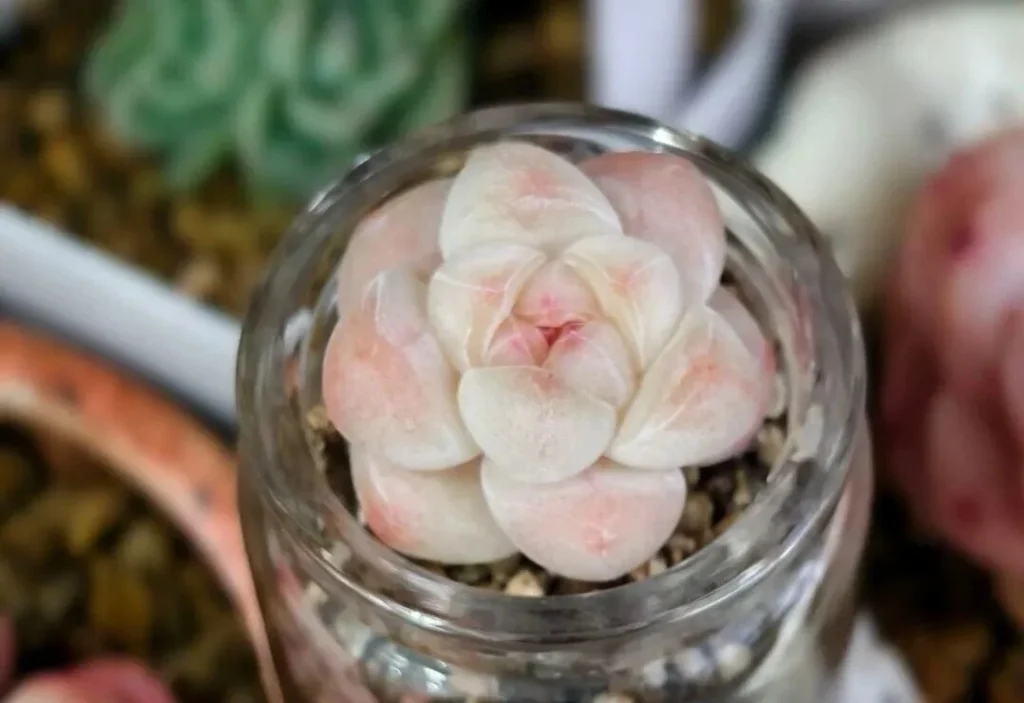
It easily melts and rots in the summer heat. Even with perfect care, the survival rate is low. I lost my first pot in the summer, and despite applying all my experience to the second pot, it died from black rot after an autumn rain.
4 Easy Succulents for Beginners
After eight years of trial and error, I highly recommend starting with these forgiving, heat-tolerant varieties to build your confidence.
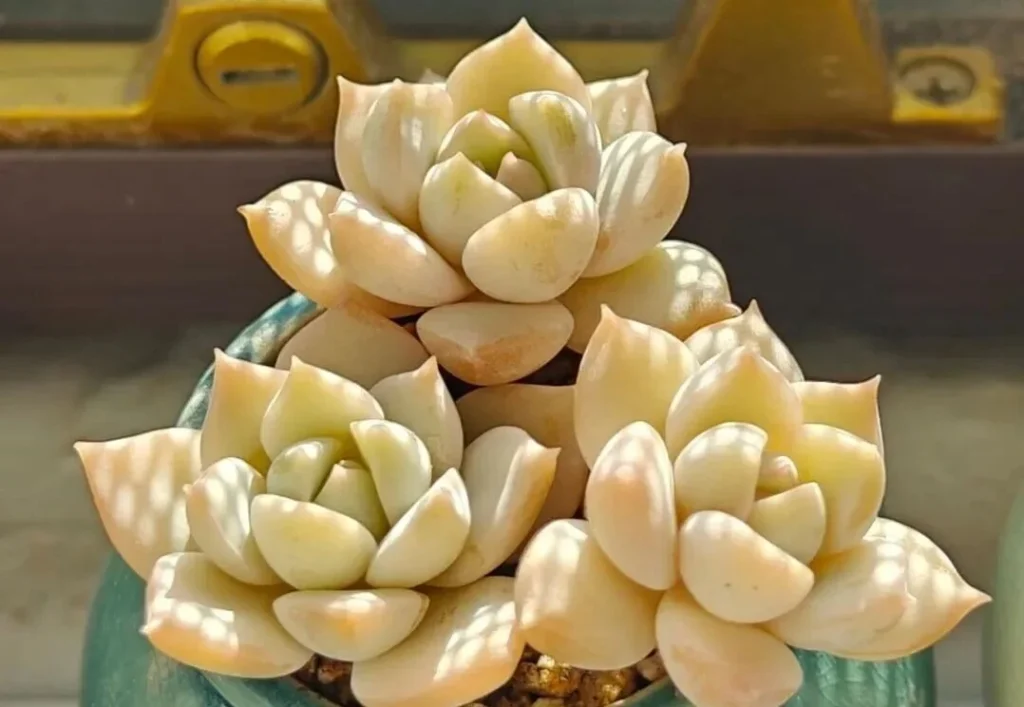
8. Graptoveria ‘Titubans’ (Porcelain Plant)
This is affordable and incredibly easy to grow. Just reduce watering slightly during the summer, and it will thrive.
9. Graptosedum ‘Bronze’ (Vera Higgins)
The more sun it gets, the redder it becomes. It has strong vitality, and you can easily propagate a new plant just by tossing a fallen leaf onto the soil.
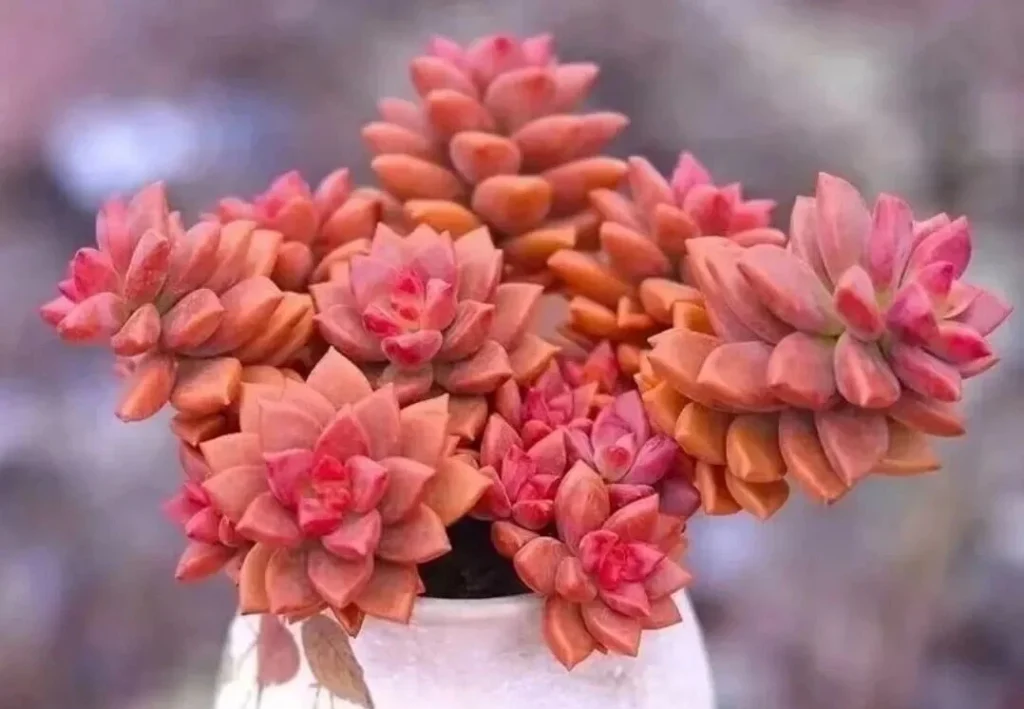
10. Graptopetalum paraguayense (Ghost Plant)
This plant forms beautiful trailing stems over time. It is highly tolerant of drought and intense sunlight, making it perfect for absolute beginners.
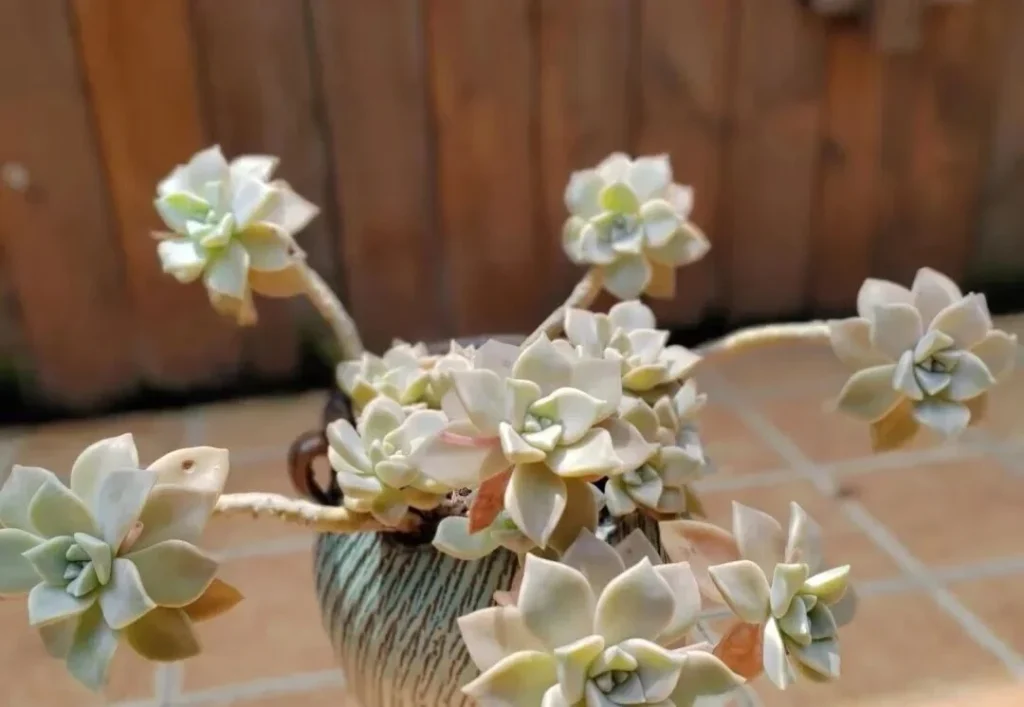
11. Kalanchoe delagoensis (Mother of Millions)
The name says it all. It is actually harder to kill this plant than it is to keep it alive.
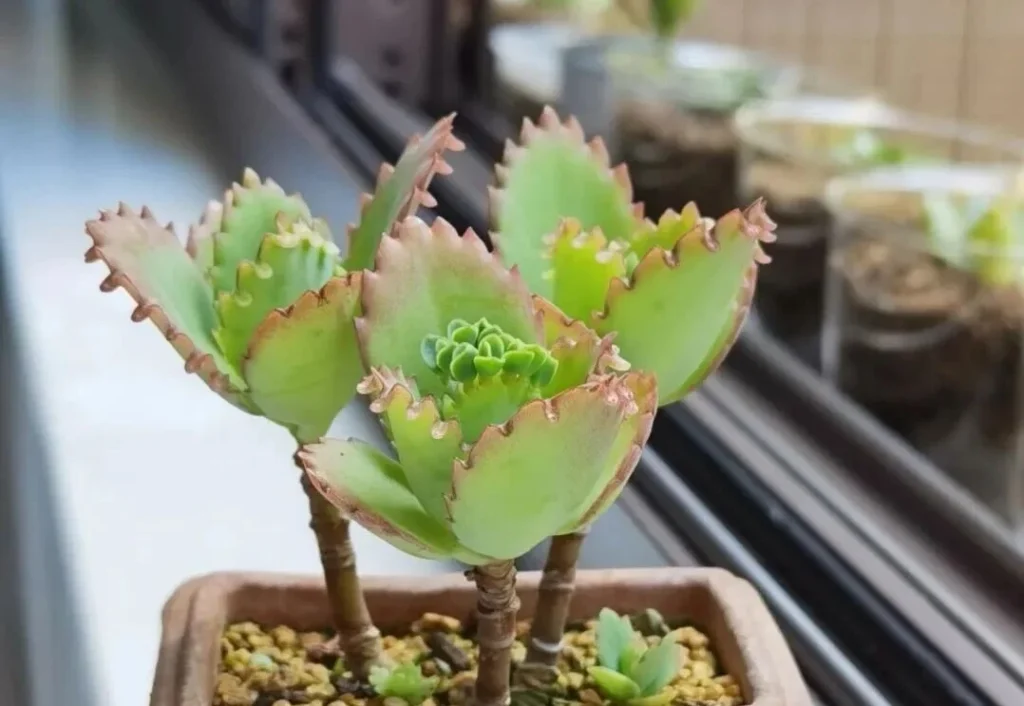
Final Thoughts on Succulent Care
My biggest realization over the years is that not every beautiful plant is meant to be grown at home. For some varieties, admiring photos is enough. Instead of wasting money on the worst succulents for beginners, choose hardy varieties and learn to bring out their best colors. That sense of achievement is much better than staring at empty pots.
The beginner warning is helpful because it explains why some attractive succulents fail before suggesting easier alternatives.
Ghost Plant and Mother of Millions are basically weeds. If one family in an apartment building grows them, the concrete cracks downstairs will be completely covered with them.
What about Purple Delight and Ellen?
These are the varieties that can survive the summer in my area. Anything that makes it through summer is top-tier! The names are Ruby Necklace, Campfire Crassula, Sedum rubrotinctum, Sunrise Succulent, Sedum palmeri, Ice Plant, Echeveria 'Blue Bird', Graptoveria 'Pink Ruby', and Orostachys boehmeri.
The beginner warning is helpful because it explains why some attractive succulents fail before suggesting easier alternatives.
I've had my Painted Lady for about seven or eight years. I didn't know how to care for it when I bought it, so I just left it outside. Surprisingly, it's doing great! I can't even believe it just produced two offsets. I guess it got used to our local weather.
Isn't 'Ice Green' a bit easier to grow now? It seems like the genetics aren't very pure anymore.
Who says Mother of Millions can't be killed? I don't buy it.
I bought dozens of mature Aeoniums, and once summer hit, every single one of them died.
Very helpful succulent guide.
I completely agree about the Bear's Paw!