
How to Get Rid of Mealybugs on Succulents: 3 Easy Methods
Succulents are beloved for their adorable appearance and low-maintenance nature. However, growing them is not always trouble-free. One of the most frustrating problems you might encounter is an infestation of mealybugs on succulents. Once these pests establish themselves, they can be quite difficult to eradicate.
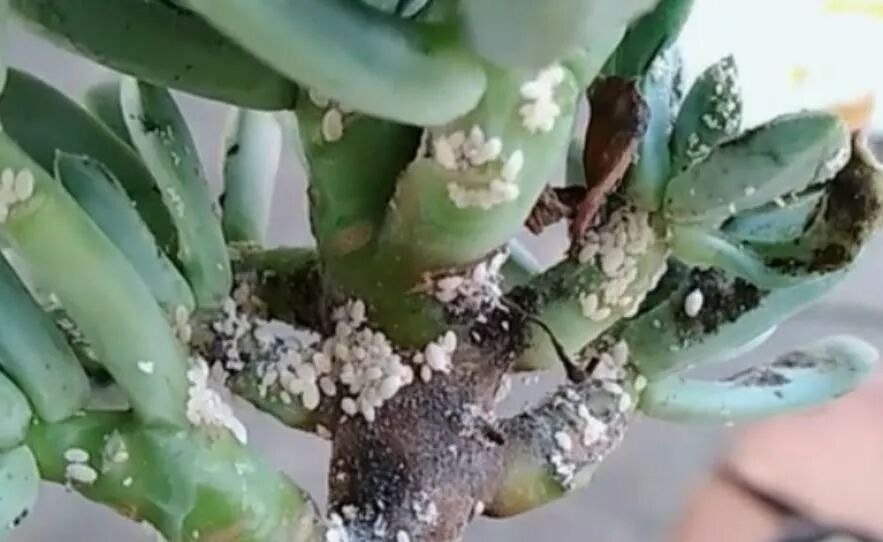
How to Get Rid of Mealybugs on Succulents
Treating these pests generally falls into two categories: physical removal and chemical treatments. Physical methods involve manually clearing the bugs using common household items, while chemical methods rely on targeted pesticides. Here is a detailed breakdown of the best approaches.
1. Water Flushing and Manual Removal
If you catch the problem early and the pest population is small, physical removal is highly effective. You can place the affected plant under a faucet and use a gentle stream of water to wash the bugs away. For remaining pests, use a toothpick, needle, or tweezers to carefully pierce or pluck them off the plant.
2. The Rubbing Alcohol Method
Many gardeners have great success using 75% rubbing alcohol to eliminate these pests. Simply dip a cotton swab into the alcohol and wipe the affected areas of your succulent. The pests will die upon contact. For larger infestations, you can spray the alcohol directly onto the plant. If you are worried about the concentration damaging your succulent, dilute the alcohol with water before spraying.
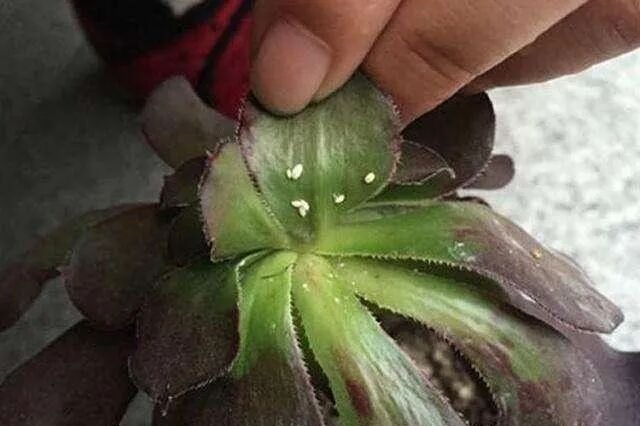
3. Applying Targeted Pesticides
When dealing with a large number of plants or a severe infestation, manual removal becomes impractical. In this case, applying a suitable pesticide is the best solution. You can choose commercial insecticidal soaps, neem oil, or systemic insecticides designed for scale insects. Always follow the manufacturer instructions for dilution and application. Because these treatments can be strong, it is best to apply them outdoors.
- Check the root system, as pests often hide below the soil.
- Apply the treatment multiple times until all pests are gone.
- Monitor the plant closely to prevent a resurgence.
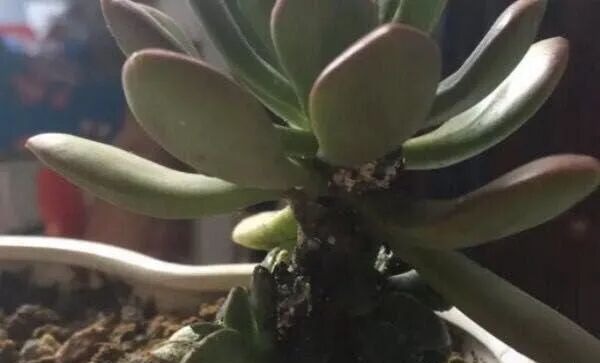
Essential Prevention and Isolation Tips
Many pest problems begin when new plants are brought home carrying hidden eggs. Therefore, careful observation is crucial for early prevention. Keeping your succulents in a well-ventilated area significantly reduces the chances of an infestation. If you spot any pests, immediately isolate the affected succulent to prevent them from spreading to your healthy plants.
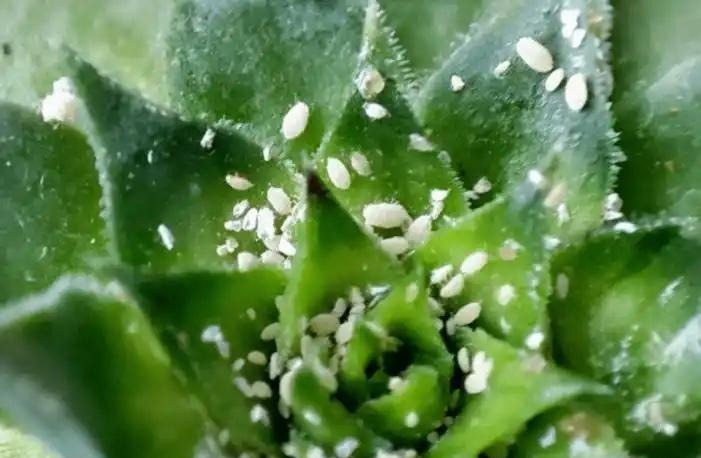
What Seasons Are Pests Most Active?
These pests are most likely to strike during the summer and spring. Summer provides the high temperatures and humidity that encourage rapid breeding. They survive by sucking the sap from your plants, leading to wilting and potential fungal infections. Spring, especially the transition period from late winter, is another peak time for pest activity, making it an ideal window for proactive pest control.
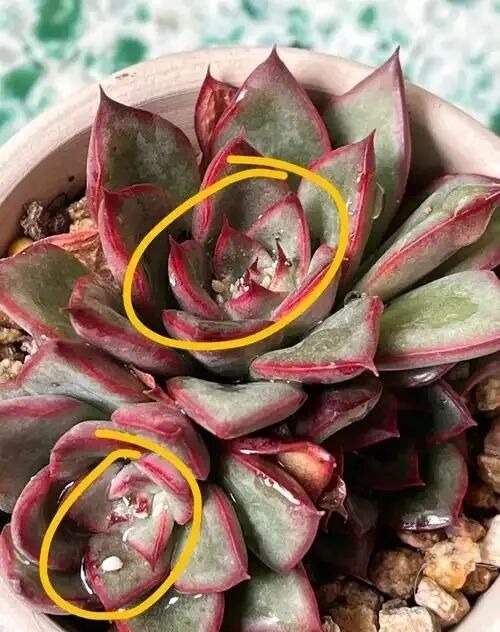
Why Do Pests Appear on Indoor Succulents in Winter?
You might wonder why these pests survive the winter. While outdoor freezing temperatures will naturally kill them, indoor environments tell a different story. Indoor heating creates a warm, comfortable climate, and closed windows lead to poor ventilation. This combination provides the perfect breeding ground for pests to thrive on your indoor succulents. To prevent this, ensure you occasionally open windows to improve indoor airflow during the winter months.
Comments (3)
 Bonnie CastilloCustomer
Good to know that keeping succulents well-ventilated can prevent these annoying pests.
 Ashley MorrisonCustomer
Very clear and helpful!
 Benjamin KuhnCustomer
The rubbing alcohol method seems quite practical.
Comments are closed.