
Summer Succulent Care: 4 Fatal Mistakes You Must Avoid
 AbodePro Tools
After six years of growing these charming plants, my collection has expanded to hundreds of pots. Caring for these little green companions year-round has become the most healing part of my daily life.
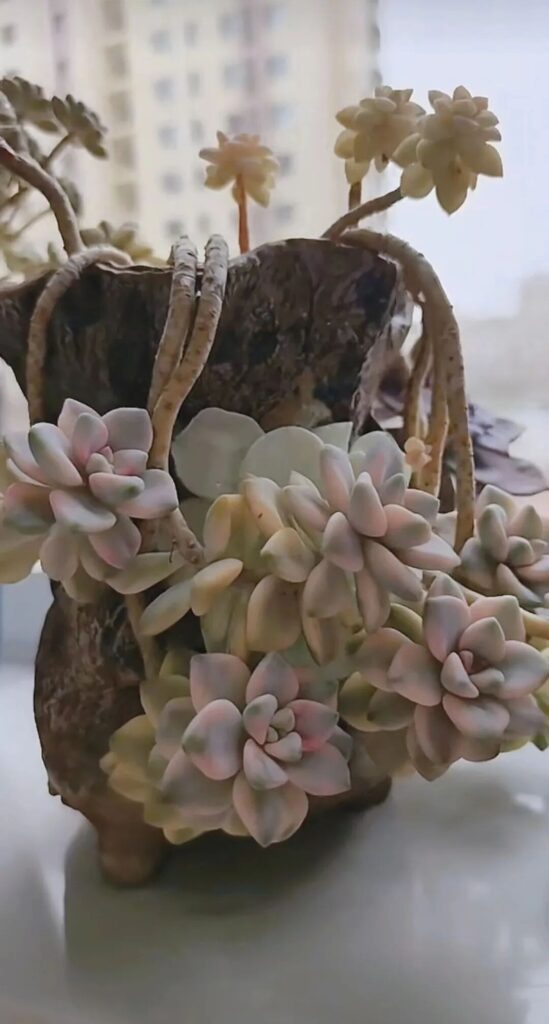
Spring and autumn are effortless seasons for succulents, bringing vibrant colors and robust growth without the fear of rot. Surviving the scorching heat, however, remains the biggest headache for every grower. Even with years of experience, empty pots are almost inevitable during peak heat. High temperatures and humidity often cause sudden stem rot and leaf drop overnight. This muggy environment also breeds mealybugs and root aphids that hide deep in the leaves or soil crevices. The real issue usually stems from our own habits rather than the plants being fragile. Because succulents enter dormancy and slow their growth, their resistance drops significantly. Avoiding a few critical mistakes will keep your plants safe and healthy until the cool autumn breeze arrives.
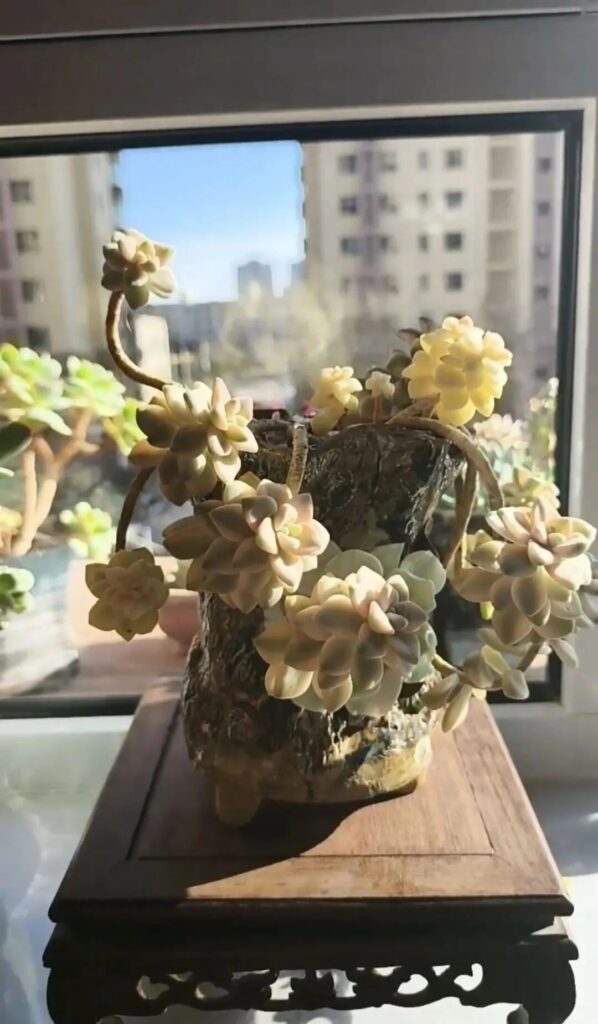
Never Overwater or Water Frequently
When the soil dries out quickly, many beginners and even seasoned growers feel tempted to water frequently. Pouring a massive amount of water at once is the leading cause of summer succulent rot. As temperatures soar, most succulents stop growing, and their root systems lose the ability to absorb moisture efficiently. Leaving the soil constantly wet traps unabsorbed water in the hot potting mix, which quickly suffocates and destroys the roots.
Combined with poor ventilation, this humid environment causes bacteria to multiply rapidly. Within just a day or two, you will notice rotting roots and mushy bottom leaves that quickly spread to the entire plant.
- Follow the rule of watering only when the soil is completely dry.
- Keep the plants in a shaded, well-ventilated area.
- Strictly control moisture intake during peak heat.
Never Expose to Direct Sunlight
While gentle spring sunlight brings out beautiful colors, the intense summer sun acts as a severe punishment for dormant plants. Placing your pots directly on an open balcony or suddenly moving indoor plants to bright outdoor light will scorch the leaves within hours. You will quickly notice sunburn spots, shriveled foliage, or even completely melted plants.
Varieties with thin leaves or variegation possess extremely poor heat tolerance. They simply cannot withstand the harsh midday rays during the peak of summer.
- Avoid full-day sun exposure and sudden light changes.
- Provide adequate shade between 10 AM and 4 PM.
- Create a bright but filtered light environment.
Never Repot or Prune Roots
Spring and autumn are the perfect seasons for repotting and root maintenance, but disturbing your plants during extreme heat is strictly prohibited. Once temperatures exceed 30°C, succulents enter a stagnant dormant phase with minimal root activity. Uprooting, trimming, or transplanting during this time severely damages the root system, and the plant lacks the energy to heal itself.
When a healthy plant is disturbed, its unhealed wounds come into contact with moist soil, leading to immediate bacterial infection. This directly triggers black rot, severe leaf drop, and eventual death.
- Do not remove bottom dry leaves unnecessarily.
- Avoid moving the pots around frequently.
- Leave the root system completely undisturbed.
Never Keep Plants in Closed Spaces
The combination of high heat, heavy humidity, and stagnant air creates the perfect breeding ground for pests and diseases. Fearing summer rain, many gardeners move their pots into enclosed balconies with tightly shut windows. Placing pots too closely together prevents moisture from evaporating and blocks essential air circulation.
In this stuffy environment, the soil remains wet for extended periods, allowing mealybugs and fungus gnats to multiply rapidly. Once an infestation starts in the hidden crevices of the leaves, it quickly spreads to the entire collection.
- Prioritize excellent air circulation above all else.
- Open windows to create cross-ventilation.
- Leave adequate space between each pot.
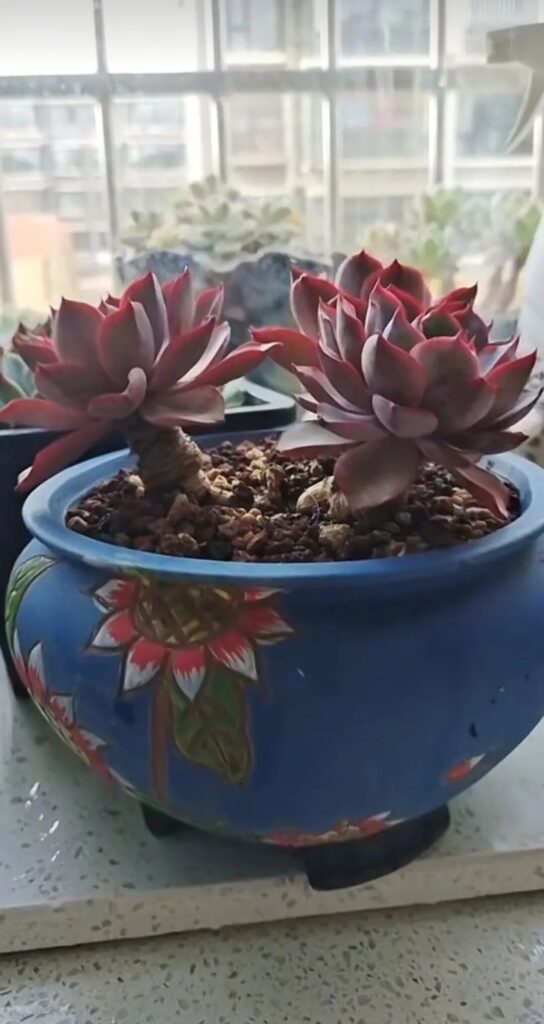
Embrace Minimalist Care
Years of experience have proven that summer succulent care is about doing less rather than doing more. By watering sparingly, avoiding direct sun, leaving the roots alone, and ensuring proper airflow, you respect the natural dormant cycle of these plants. Eliminating these four common mistakes allows your collection to survive the extreme heat safely. Once the cool autumn weather returns, your plants will bounce back with stunning colors and plump leaves.
Great reminder to avoid repotting during the heat.
Yes, the weather has been extremely hot recently.
Do succulents get scared of heat?
The summer watering advice is practical because it focuses on heat stress instead of just a fixed schedule.
You\'re right.