
Spring Succulent Pest Control: Treat Bugs & Diseases Easily
 AbodePro Tools
Spring Succulent Care: Preparing for Pests and Diseases
As spring arrives, rising temperatures and humidity create the perfect growing conditions for your plants. However, this is also the time when bugs and bacteria wake up. If your plants are targeted by mealybugs or powdery mildew, they can quickly wither and rot. To keep your plants healthy, mastering succulent pest control and disease prevention early in the season is essential. Many beginners worry about buying the wrong or fake treatments, but protecting your plants can be affordable and straightforward.
Common Succulent Pests in Spring
Before treating your plants, you need to identify the problem. Here are the most common pests you will encounter:
1. Mealybugs
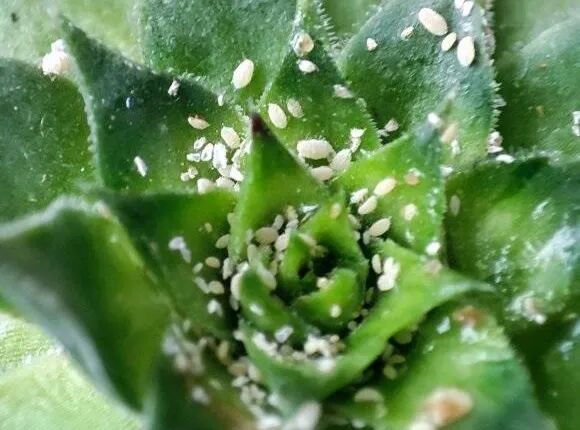
These are the top enemies in the succulent world. They hide on the back of leaves, stems, and the surface of the potting soil. They look like tiny white, sticky dots that suck the plant’s sap and secrete honeydew, which attracts fungus gnats and diseases.
2. Fungus Gnats
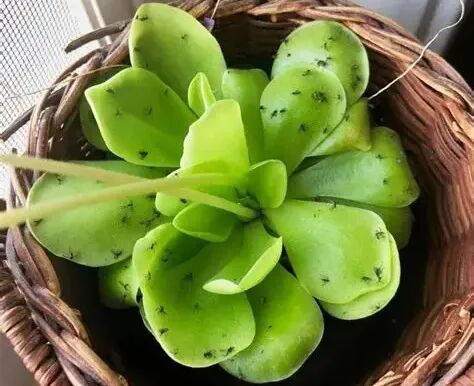
These pests appear when the potting soil remains constantly wet. Adult gnats fly around the plant, while their larvae hide in the soil to eat the roots. Once the root system is damaged, the plant can quickly succumb to black rot.
3. Aphids
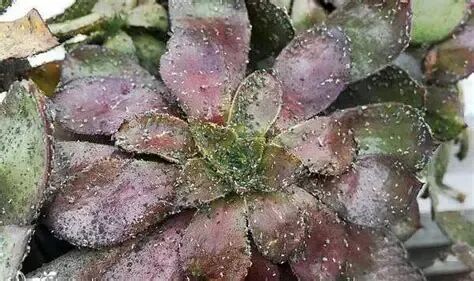
Aphids love to gather on new shoots and flower stalks. They cluster tightly together and feed on tender tissues, causing the new growth to become distorted and deformed.
Common Succulent Diseases
Fungal and bacterial infections can be just as deadly as pests. Watch out for these common diseases:
1. Powdery Mildew
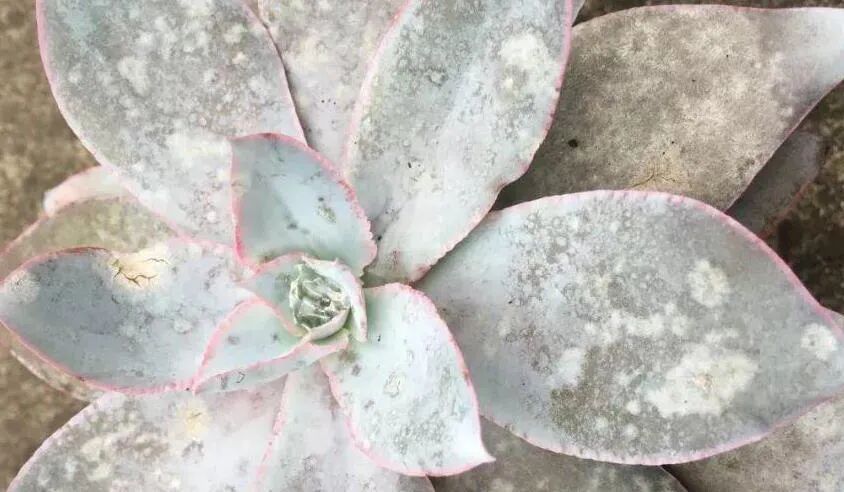
This disease looks like a layer of white frost covering the leaves. Unlike the natural farina (white powder) on some succulents, powdery mildew can be easily wiped off. If left untreated, it will spread and cause the leaves to wither and drop.
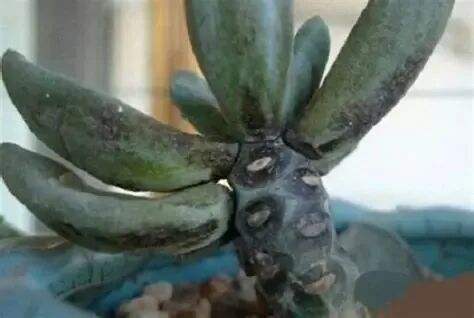
2. Black Rot
This is often caused by waterlogged soil and poor ventilation. The stem or roots turn black and rot. It spreads incredibly fast, and if you are not careful, the entire plant can die in a matter of days.
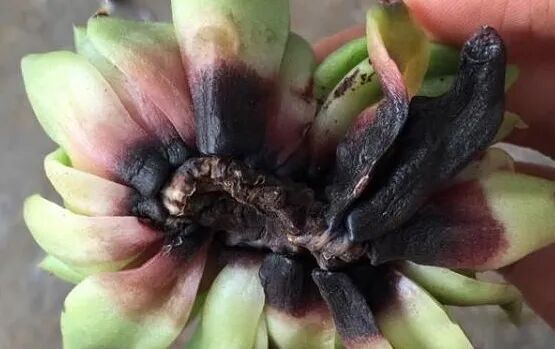
3. Sooty Mold
This appears as a dark brown or black moldy layer on the leaves. It looks dirty and blocks sunlight, preventing the plant from photosynthesizing, which slowly drains the plant’s energy.
How to Choose the Right Treatments
If your plants are already infected, you need to act fast. You can easily find affordable treatments online. But how do you know which one to buy? The secret lies in the color-coded stripes at the bottom of the pesticide label. This is a mandatory standard for legitimate agricultural products. If a bottle lacks this stripe, it is likely a fake.
- Red Stripe: This indicates an insecticide or miticide. It is specifically used to kill pests like mealybugs, fungus gnats, and aphids.
- Black Stripe: This indicates a fungicide or nematicide. It is designed to treat fungal and bacterial diseases like powdery mildew, black rot, and sooty mold.
Simply put, choose a red stripe for bugs and a black stripe for diseases. When searching online, use specific terms like “succulent mealybug treatment” to find exactly what you need.
Safety and Odor Concerns
Many people worry about the smell and safety of these treatments. Most pesticides and fungicides need to be heavily diluted with water, so they rarely have a strong odor. If there is a slight smell after spraying, simply open a window for ventilation, and it will dissipate quickly.
All treatments have some level of toxicity. It is a basic safety rule to keep all chemicals and recently sprayed plants far away from children and pets. Always handle these products with common sense and care.
Prevention is Better Than Cure
The best way to protect your plants in spring is through good maintenance habits. Provide plenty of ventilation, avoid overwatering, and never let water sit in the potting soil. Regularly clean up dried, dead leaves at the base of the plant to eliminate hiding spots for bugs.
By giving your plants enough space to grow and maintaining a clean environment, pests and bacteria will have no chance to thrive. If you do need to use treatments, just remember the red and black stripe rule to build a strong health defense for your beautiful plants.
Helpful spring care guide.
The pest control steps are practical, especially the reminder to inspect new growth and hidden leaf joints.
The pest control steps are practical, especially the reminder to inspect new growth and hidden leaf joints.
The pest control steps are practical, especially the reminder to inspect new growth and hidden leaf joints.