
7 Succulent Care Mistakes to Avoid for Healthy Plants
 AbodePro Tools
Many plant enthusiasts fall into a common trap when growing succulents: they overwater, over-fertilize, and provide extreme sunlight. Despite all this effort, the plants often suffer from root rot, become leggy, or develop shriveled leaves. The truth is that avoiding common succulent care mistakes is much more important than trying to force them to grow.
Succulents are not overly fragile, but they despise unnecessary interference. If your plants are struggling, it is likely because you are accidentally making a few subtle errors. Whether you are a beginner or an experienced grower, understanding these pitfalls will help you raise plump, colorful, and healthy plants with minimal effort.
1. Watering Based on a Strict Schedule
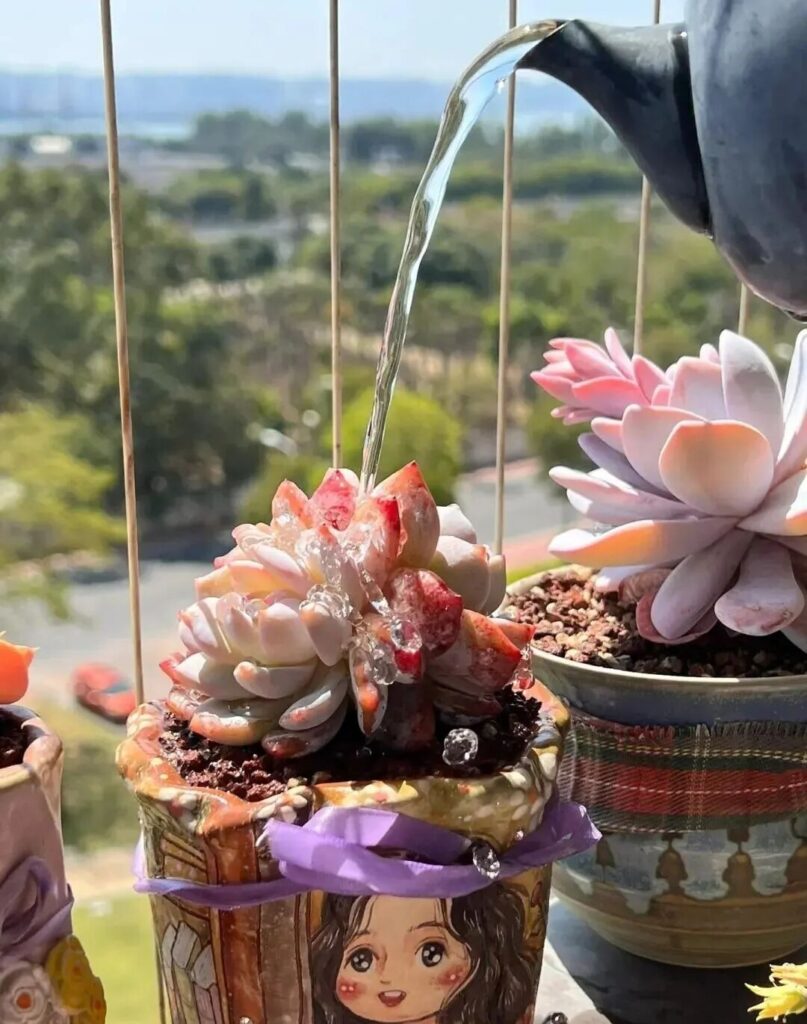
This is the most common and fatal mistake beginners make. Watering whenever the surface looks dry, or giving them a little splash every few days, keeps the soil constantly moist. This inevitably leads to suffocated roots and severe rot. On the other hand, watering too lightly prevents the deep roots from getting moisture, causing the leaves to wrinkle.
The best approach is the soak and dry method. Insert your finger about an inch into the soil; only water when it is completely dry. When you do water, pour slowly around the edges until water drains from the bottom, and always empty the saucer. Remember to reduce watering significantly during extreme summer heat or winter cold when the plant enters dormancy.
2. Exposing to Extreme Lighting Conditions
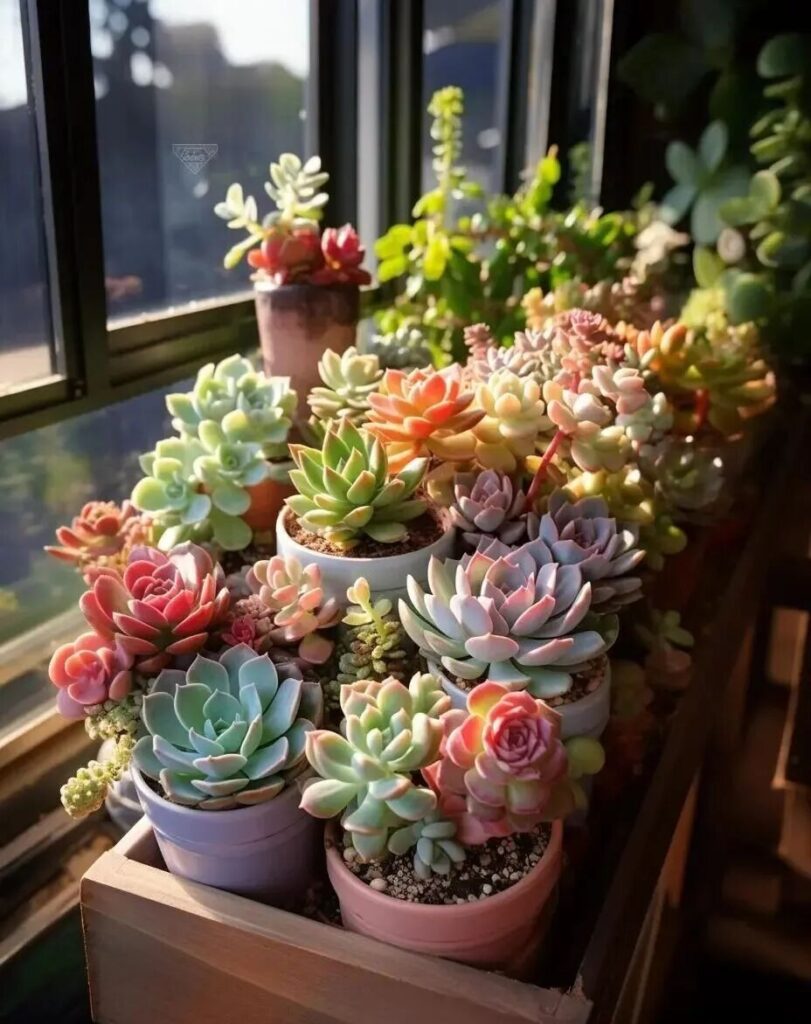
While succulents love light, they absolutely hate extreme exposure. Placing them directly under the harsh midday summer sun will cause the leaves to turn yellow, burn, or turn to mush. Conversely, keeping them in a dark corner will cause them to stretch out and lose their compact shape, a condition known as etiolation.
During the active growing seasons of spring and fall, provide 4 to 6 hours of bright sunlight to help them develop vibrant colors. In the summer, protect them from the intense midday sun by providing partial shade. In winter, place them in the brightest indoor spot available to prevent leggy growth.
3. Using the Wrong Soil Mix
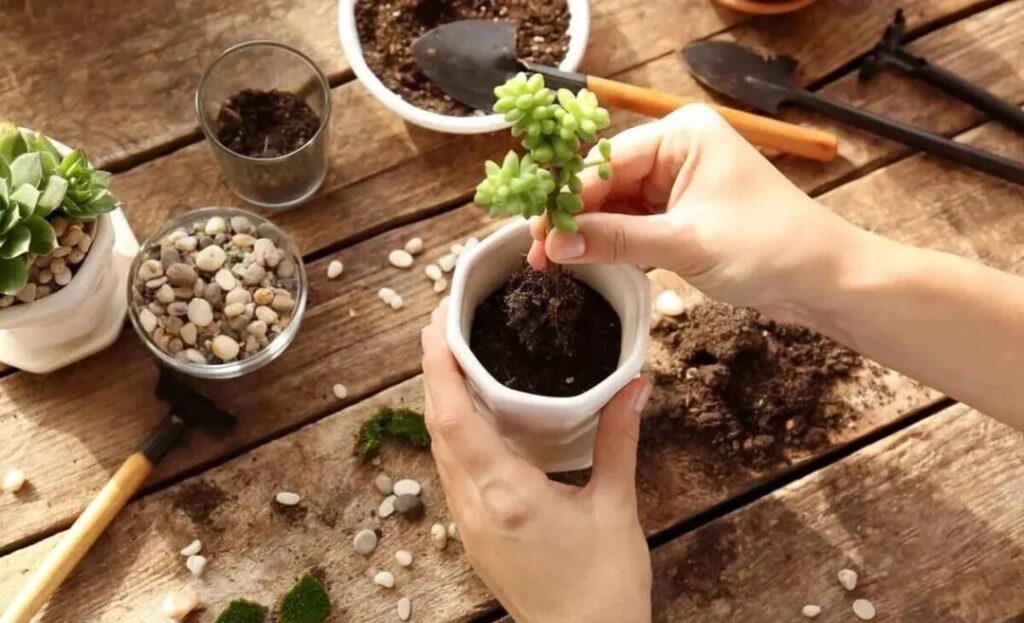
Succulents have shallow and delicate root systems that cannot tolerate heavy, water-retaining soil. Using standard potting soil or garden dirt is a guaranteed way to cause root rot within a few weeks, as the soil compacts and stays wet for too long.
The core requirement for succulent soil is excellent drainage and aeration. A highly recommended mix is 60% inorganic grit (such as pumice, perlite, or volcanic rock) and 40% organic succulent soil. Adding a layer of larger stones at the bottom of the pot can further improve drainage and keep the roots healthy.
4. Choosing a Pot That Is Too Large
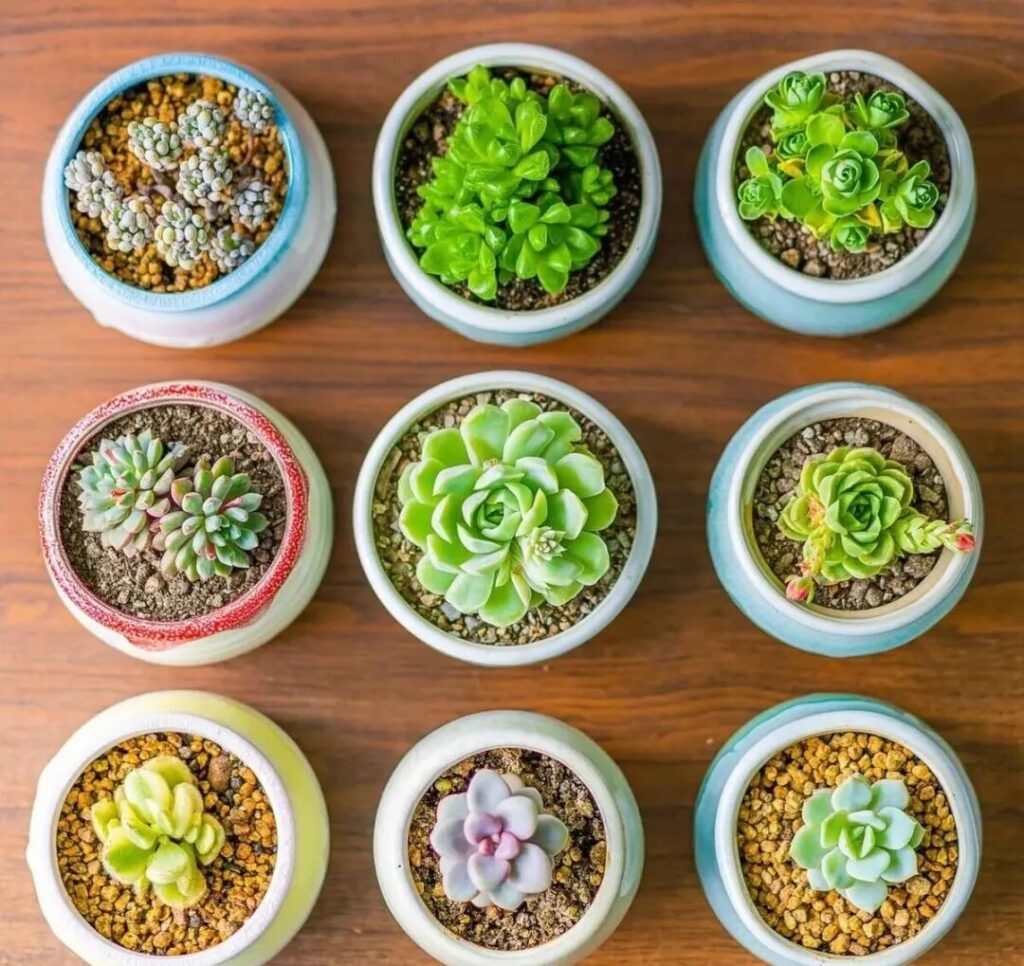
It is a common misconception that a larger pot will make a plant grow faster. For succulents, a pot that is too large holds too much soil, which means it retains moisture for far too long. The roots end up sitting in wet dirt, slowing down their establishment and increasing the risk of rot.
Always choose a pot that is only slightly larger than the plant itself, ideally leaving just a small gap around the edges. Small cuttings do best in tiny starter pots, while mature clusters can be upgraded slightly. Always ensure your chosen container has a drainage hole at the bottom.
5. Constantly Moving Your Plants
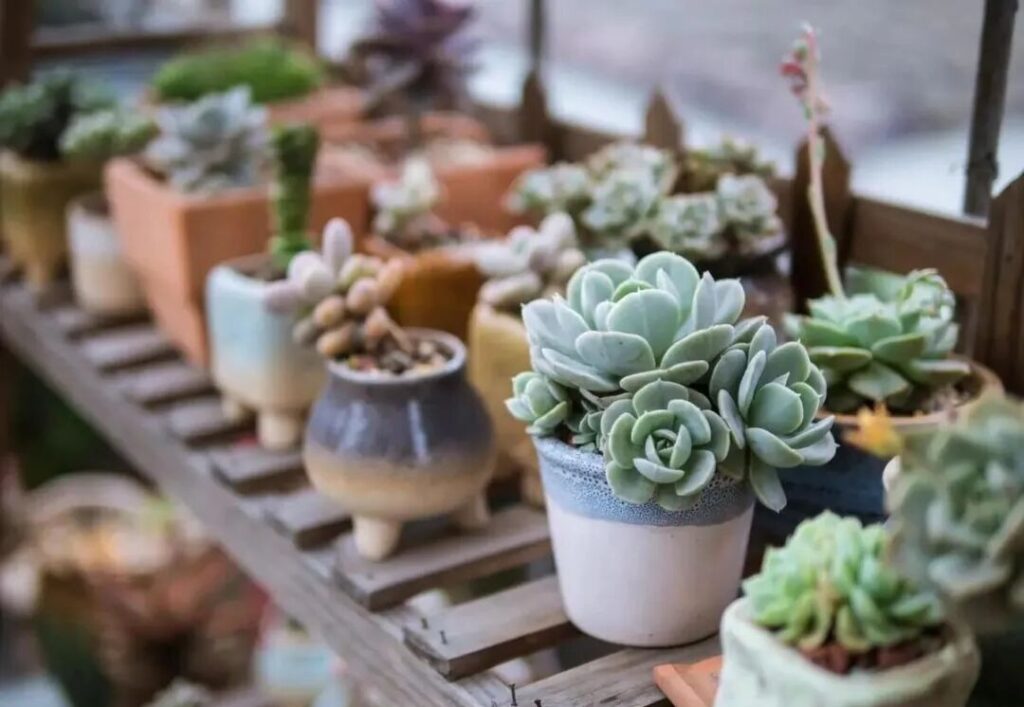
Succulents thrive in a stable environment and prefer to stay in one place once they acclimate. Moving them from the balcony to the windowsill and back again forces the plant to constantly adjust to new microclimates. This stress can cause soft leaves, stunted growth, and a failure to establish strong roots.
Find a suitable location with good airflow and appropriate indirect sunlight, and leave the plant there. Unless there is a drastic seasonal change that requires you to protect them from frost or extreme heat, it is best to let them grow undisturbed.
6. Over-Fertilizing During the Wrong Season
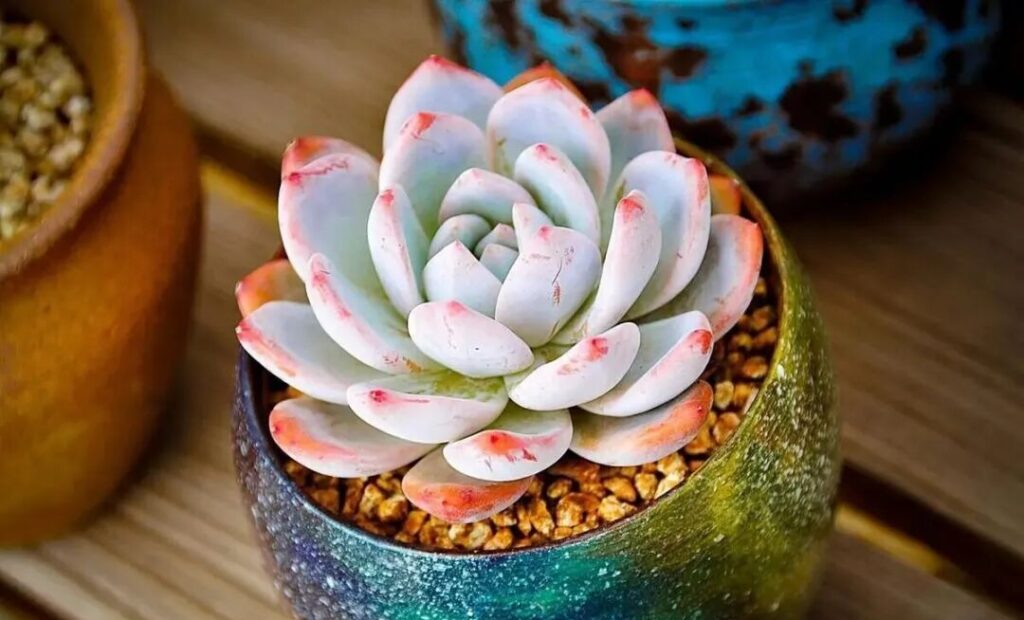
Many beginners believe that more fertilizer equals faster growth. Applying strong, undiluted fertilizers, or feeding them too frequently, will burn the delicate roots. Succulents actually have very low nutritional requirements, and excess fertilizer will cause leaf drop and severe root damage.
If you choose to fertilize, only do so during the active growing seasons in spring and fall. Use a highly diluted, specialized succulent fertilizer just once a month. Never fertilize during their summer or winter dormancy periods.
7. Neglecting Basic Pruning and Grooming
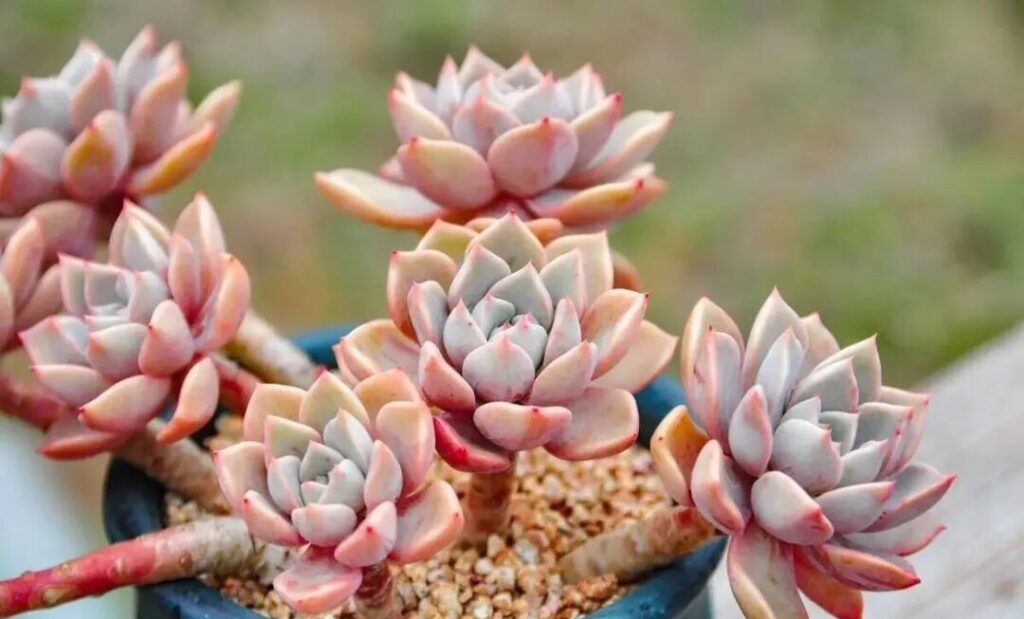
It is natural for the bottom leaves of a succulent to dry up and die as the plant grows. However, leaving these dead leaves, spent flower stalks, or diseased foliage attached to the plant is a major mistake. This debris blocks airflow and creates a perfect hiding spot for pests and fungal infections.
Regularly inspect your plants and gently remove any completely dry, crispy leaves from the base. If you spot diseased leaves, cut them off immediately with sterile scissors to prevent the issue from spreading. Pruning leggy stems can also encourage new branching and a more compact shape.
Conclusion: Less Is More
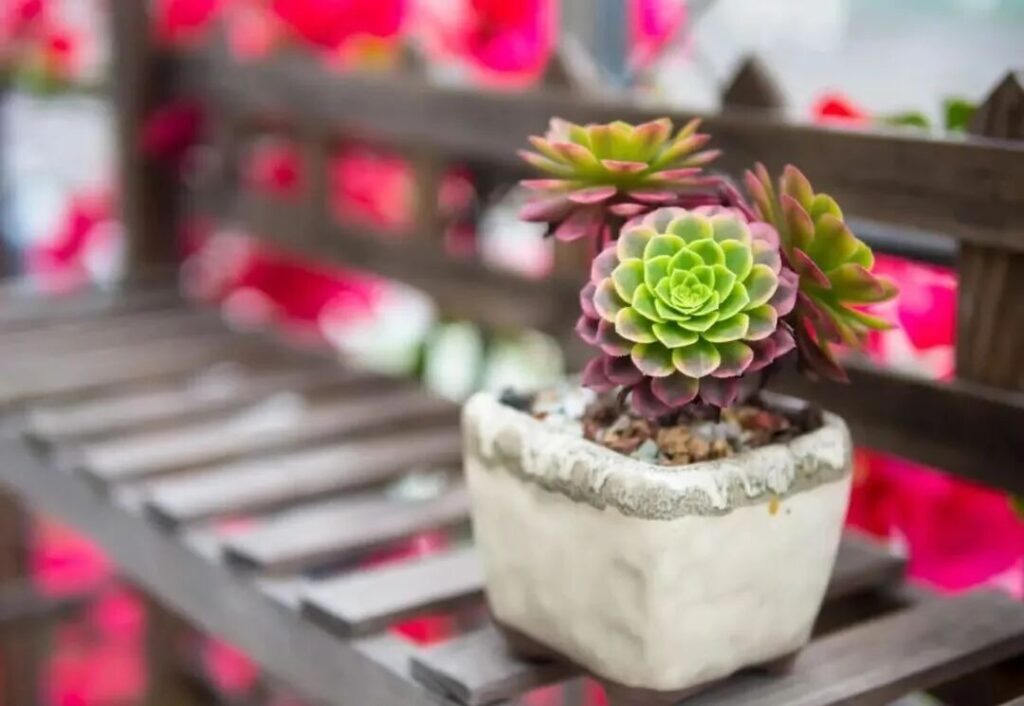
Growing beautiful succulents is actually quite simple once you understand their basic needs. By avoiding these seven common succulent care mistakes, you can prevent the most frequent issues that plague indoor gardeners. The key is to observe your plants closely, provide a stable environment, and resist the urge to over-care for them.
Patience is your best tool. Give them the right soil, appropriate light, and proper watering habits, and they will naturally develop into the plump, colorful plants you desire. Stop stressing over every little detail and enjoy the slow, rewarding process of succulent gardening.
I keep Moonstones in my office.
Thanks for sharing! Great summary. Theory is important, but practice matters more.
Great sharing.
The soil mix tip is incredibly helpful.
I never realized a large pot could cause root rot. Good to know!
Thanks for sharing.
Welcome everyone to provide more feedback!
Learned a lot, great takeaways.
Thanks for sharing, I benefited a lot.