
8 Succulent Care Mistakes That Are Killing Your Plants 🌵
 AbodePro Tools
Watching a friend struggle with dying, wilted plants recently reminded me of my own early days of growing succulents. It is incredibly frustrating to watch your beloved plants slowly decline despite your best efforts. If you are wondering why your succulents keep dying, you are not alone.
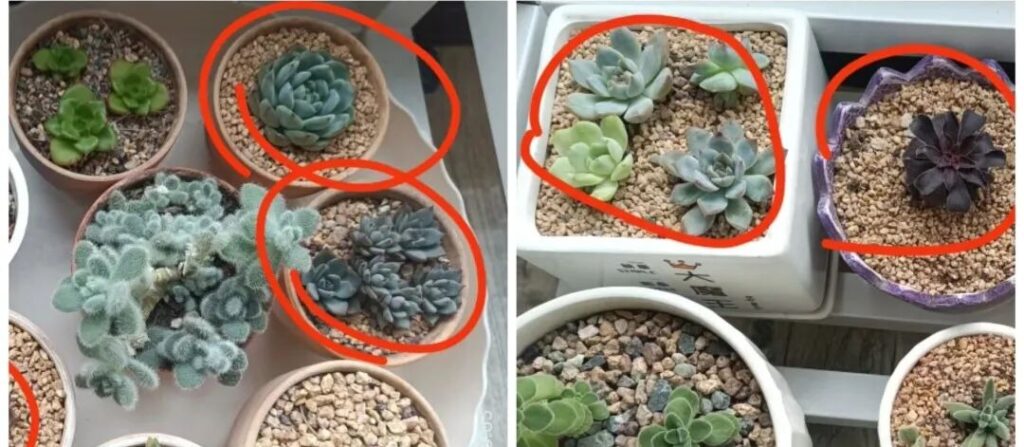
After a decade of hands-on experience and losing my fair share of plants, I have learned that understanding their natural habits is the key to success. Growing plants is like a gentle battle; to win, you must know your opponent. Here are the eight most common succulent care mistakes that kill these resilient plants, and exactly how to fix them.
1. Overwatering: Drowning Your Plants
Succulent leaves are designed to store large amounts of water, making them highly drought-tolerant. They do not need frequent watering, and giving them too much moisture will quickly lead to root rot. Beginners often make the mistake of misting their plants daily because it looks refreshing, but this is a guaranteed way to kill them.
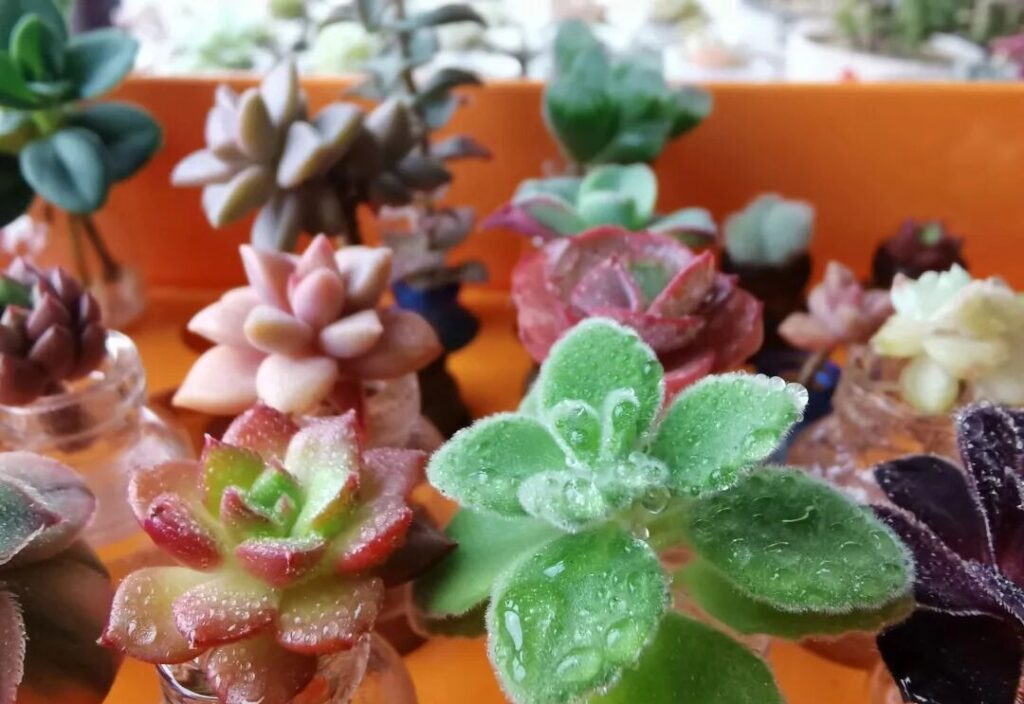
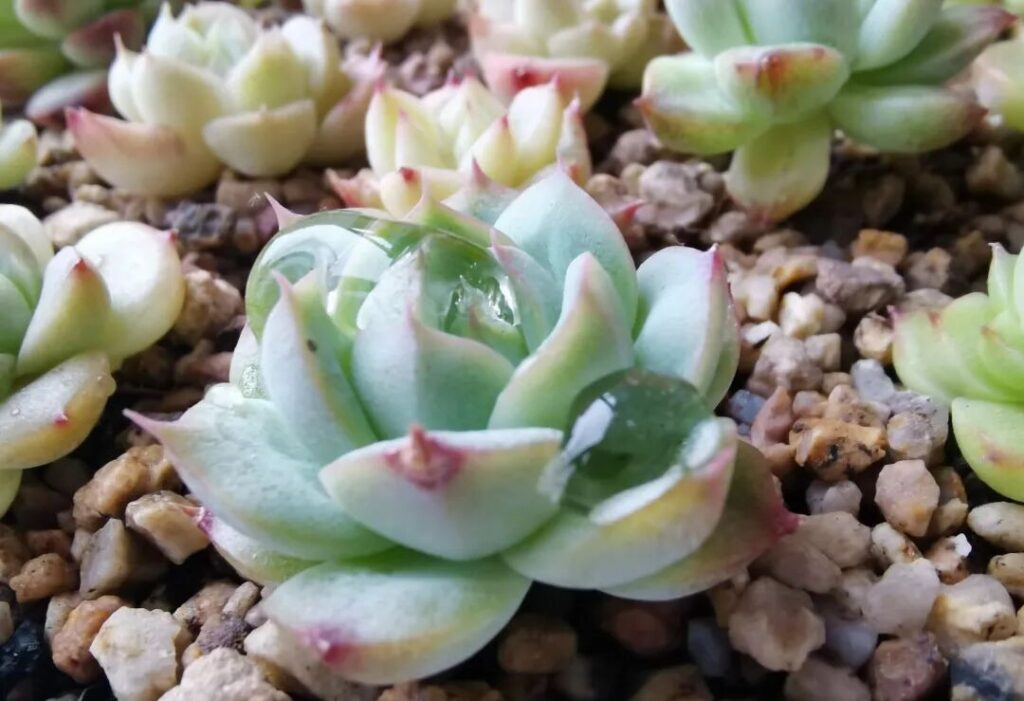
How to fix it: Practice lazy care and strictly control your watering schedule. Only water when the plant truly needs it. Gently touch the leaves; if they feel firm, do not water. Wait until the bottom leaves become slightly soft or wrinkled before giving them a thorough soak.
2. Underwatering: Letting the Roots Dry Out
On the opposite end of the spectrum, some growers become so afraid of overwatering that they stop watering altogether. Extreme underwatering causes the root system to dry up and die. Once the roots are dead, simply pouring water on the plant will not save it; instead, the dead roots will rot in the wet soil.
How to fix it: Controlling water does not mean completely withholding it. If your plant roots have dried out or rotted, pull the plant out of the pot immediately. Trim away all the dead or mushy roots, let the healthy stem air dry for a few days, and then repot it in fresh soil to encourage new root growth.
3. Poor Soil Drainage: Suffocating the Roots
A succulent root system needs to absorb water, take in nutrients, and breathe. If you use heavy, sticky potting soil, it will hold moisture for too long. Without oxygen, the roots will suffocate, rot, and eventually turn to mush.
How to fix it: Always use a well-draining, gritty soil mix. A good blend includes peat moss, coco coir, volcanic rock, and coarse sand. You can adjust the ratio based on your goals; for thicker, plumper plants, add more gritty materials to ensure excellent drainage. If mixing your own feels overwhelming, purchase a pre-mixed commercial succulent soil.
4. High Heat and Humidity: The Summer Killer
Summer is the most dangerous season for these plants. They naturally prefer cool, dry, and well-ventilated environments. When exposed to high temperatures combined with heavy humidity and stagnant air, they simply suffocate from the heat.
How to fix it: Ventilation is absolutely critical during the summer. If your plants are outdoors and temperatures exceed 30°C (86°F), provide shade to cool them down and strictly limit watering. For indoor plants, use a fan or air conditioning to keep the air circulating around the leaves.
5. Direct Sun Exposure: Severe Sunburn
While succulents need plenty of sunlight to maintain their compact shape and vibrant colors, intense summer sun can be lethal. Sudden exposure to scorching heat will cause severe sunburn, leaving permanent scars or causing the plant to dry up completely.
How to fix it: When summer temperatures rise above 25°C (77°F), protect your plants from harsh afternoon rays. Use a shade cloth to filter the sunlight. This lowers the temperature while still providing enough bright, indirect light to prevent the plants from stretching.
6. Pests and Diseases: The Silent Destroyers
Poor care practices often invite pests and fungal infections. Common diseases include black rot, leaf spot, and rust, usually caused by fungi or viruses in damp conditions. Pests like mealybugs and spider mites are equally destructive. These white, fuzzy bugs cluster together, feeding on the plant and creating open wounds that allow deadly bacteria to enter.
How to fix it: Prevention is the best cure, as severe infestations are hard to treat. Always maintain good airflow and avoid leaving water sitting on the leaves. When bringing new plants home, wash and air-dry their roots before potting. If you spot pests, isolate the plant immediately. You can use systemic pesticides or manually remove bugs with tweezers. Discard heavily infected soil, and if a plant is too far gone, salvage healthy leaves for propagation to save the variety.
7. Freezing Temperatures: Cold Damage
Many succulents enjoy cool weather, and lower temperatures actually help them develop stunning, translucent colors like deep reds and jelly-like pastels. However, pushing them beyond their cold tolerance will cause the water inside their leaves to freeze, killing the plant.
How to fix it: Move your plants indoors before the first frost. Most varieties need to be kept above 0°C (32°F), though a few hardy types can survive down to -5°C (23°F). Keep the soil completely dry during cold spells to help them survive and maintain their beautiful winter colors.
8. Over-Tinkering: Loving Them to Death
Many enthusiastic plant parents cannot resist constantly messing with their plants. Watering too often, repotting every few months, excessive fertilizing, unnecessary pruning, or using chemical sprays to force color changes will stress the plant to death.
How to fix it: Step back and leave them alone. Repotting is only necessary every three years or so. Skip the unnecessary fertilizers and color-enhancing sprays. Normal, patient care is all they need to thrive.
Growing beautiful plants requires time and patience. If you avoid these eight common mistakes, your plants will reward you with stunning growth and vibrant colors. Here are a few of my favorites, and I would love to see how yours are doing!
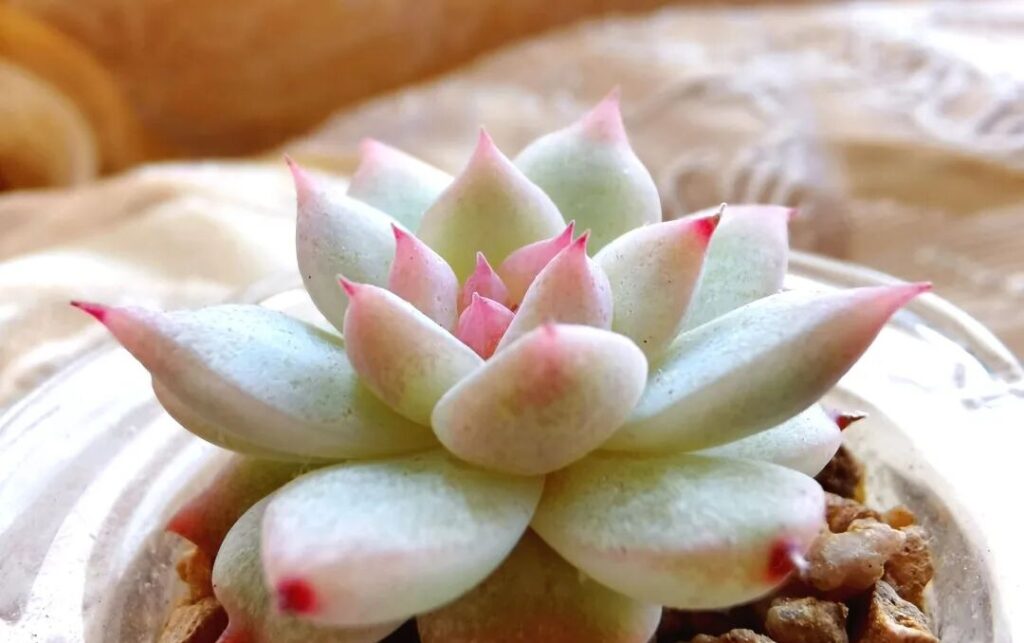
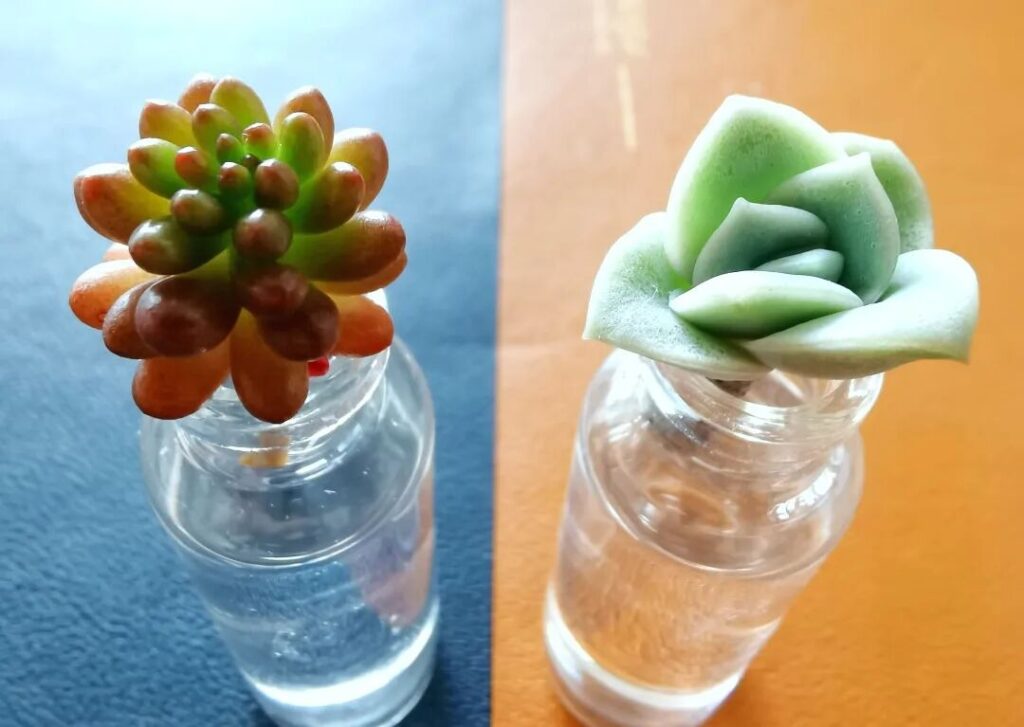
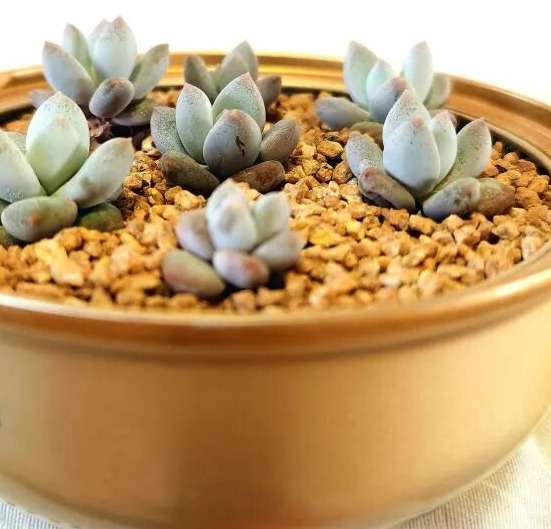
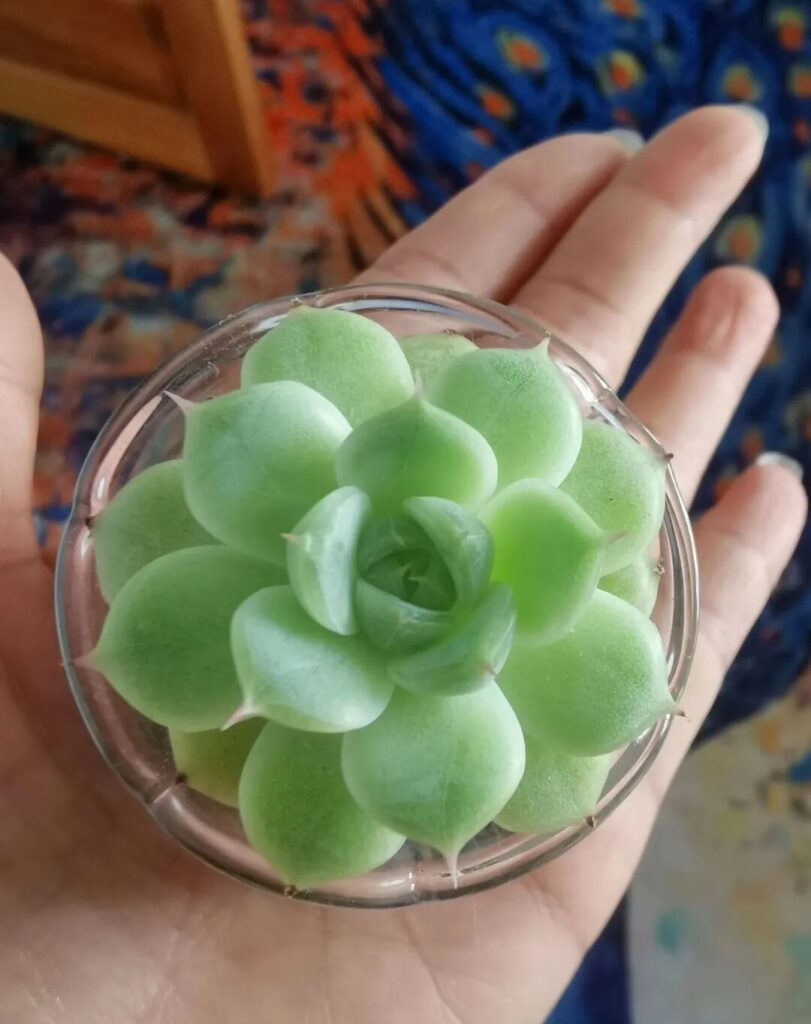
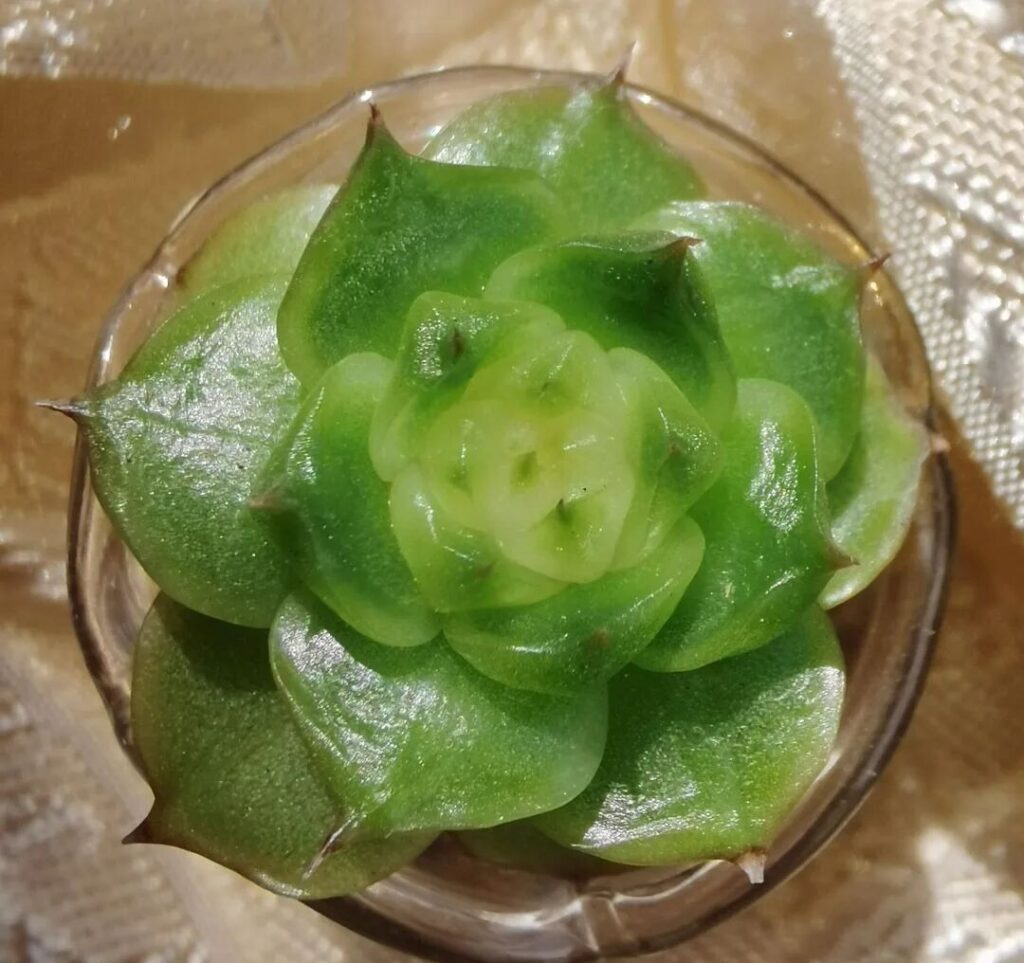
Whether you are growing them in traditional pots or experimenting with unique setups like glass containers, mastering these basics will ensure your plants live a long, healthy life.
Great article based on real experience. Sometimes it's just hard to get the watering right.
Professional guidance that helps beginners avoid common pitfalls.
Super practical and full of useful tips.
Wow, this is so professional.
Using a shade cloth during summer makes total sense.
True knowledge comes from practice. You've really gained a lot of experience.
The tip about checking the bottom leaves before watering is brilliant.
Some pests actually fly over from other plants.
In our greenhouse, we actually don't care for them this meticulously. For pest control, we usually just spray pesticides in the spring.
Good advice on succulent care.
Thanks for sharing, I learned a lot.
I didn't realize misting could cause root rot.